Australia’s coral reefs retreat as heatwaves intensify
Jennifer Dudley-Nicholson |
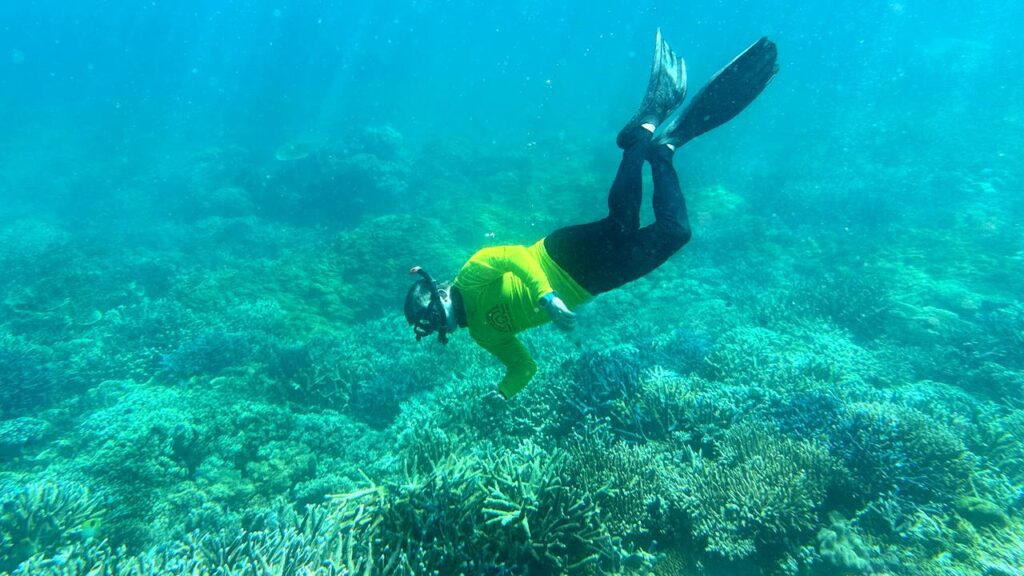
Australia’s reefs are losing coral faster than the global average and are getting less time to recover between severe marine heatwaves.
The Global Coral Reef Monitoring Network issued the warning on Monday in a comprehensive study of the world’s reefs, drawing on millions of observations from 124 nations and territories.
But the findings were not all bleak, with the report showing hard coral could recover if given enough time between bleaching events.
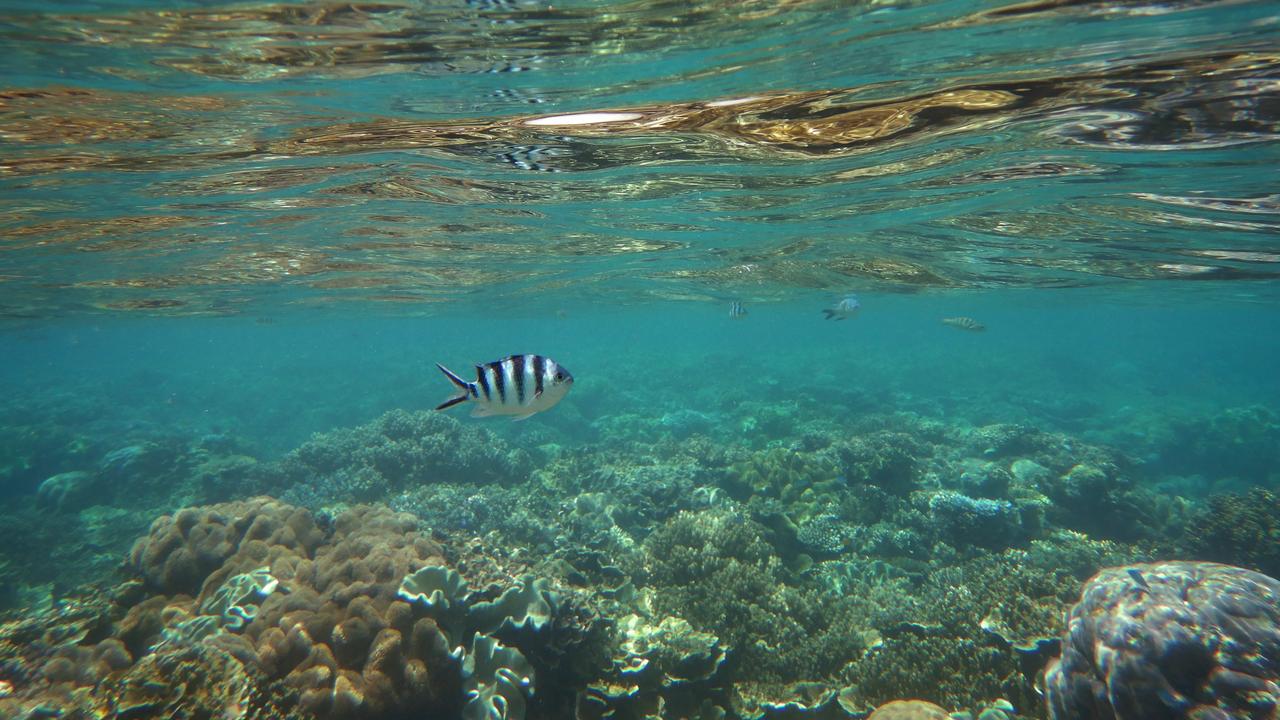
The research comes weeks after the Great Barrier Reef received a mixed report card from the Queensland and federal governments, which found it had stable coral cover but poor seagrass and water quality.
The network’s study, Status of Coral Reefs of the World, used data from more than 87,000 surveys and 21.1 million observations to assess the health of coral reefs around the globe.
It found worldwide hard coral cover declined 9.5 per cent, from an average of 30.2 per cent between 1980 and 2009 to 27.3 per cent between 2020 and 2024.
Australia lost more coral cover than average, at 10.9 per cent, as did the the Pacific region (down 18.3 per cent), the Caribbean (down 43.4 per cent), and the ROPME Sea Area around the Persian Gulf (down 48.7 per cent).
Only reefs in South Asia (16.2 per cent) and the western Indian Ocean (43 per cent) recorded a boost to coral cover.
Marine heatwaves caused by prolonged high temperatures were the biggest cause of coral bleaching events, the report found, and were occurring more frequently.
Combined with local pressures such as overfishing and coastal development, reefs were being given less time to heal, report author Dr Manuel Gonzalez Rivero said.
“Coral reefs once had decades to recover after major bleaching events,” he said.
“This year’s El Nino likely means they’ll have had little more than a year to begin recovering before being hit again.”
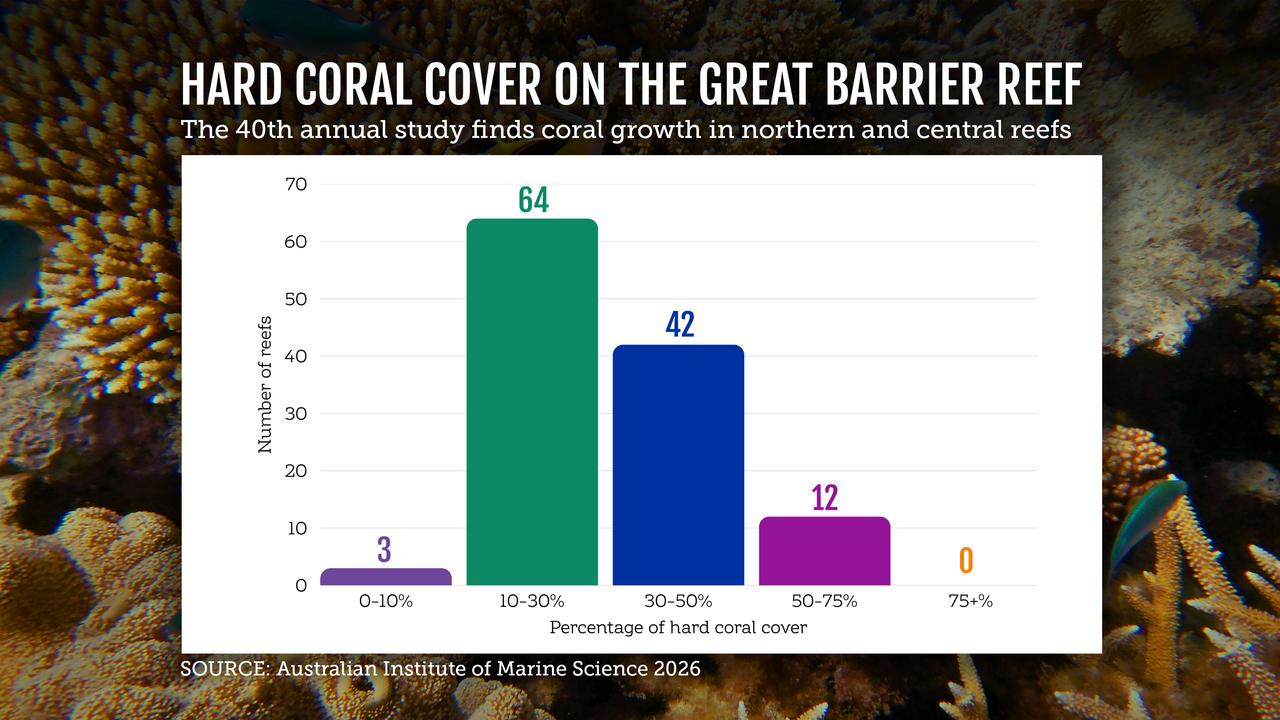
Hard coral could recover if given adequate opportunity, the report found, with about six per cent growth recorded between 2017 and 2019.
Limiting global temperature increases to 1.5 degrees was fundamental to protecting coral reefs, the report found, and United Nations Palau representative Ilana Seid said targeted local action would also assist.
“Local conservation efforts, effective marine management and the integration of traditional knowledge with scientific innovation have already shown positive results in many parts of the world,” she said.
“The challenge before us is no longer identifying what needs to be done but finding the collective will to do it.”
AAP