Fox among suspected bird flu cases in worst-hit state
Lloyd Jones |
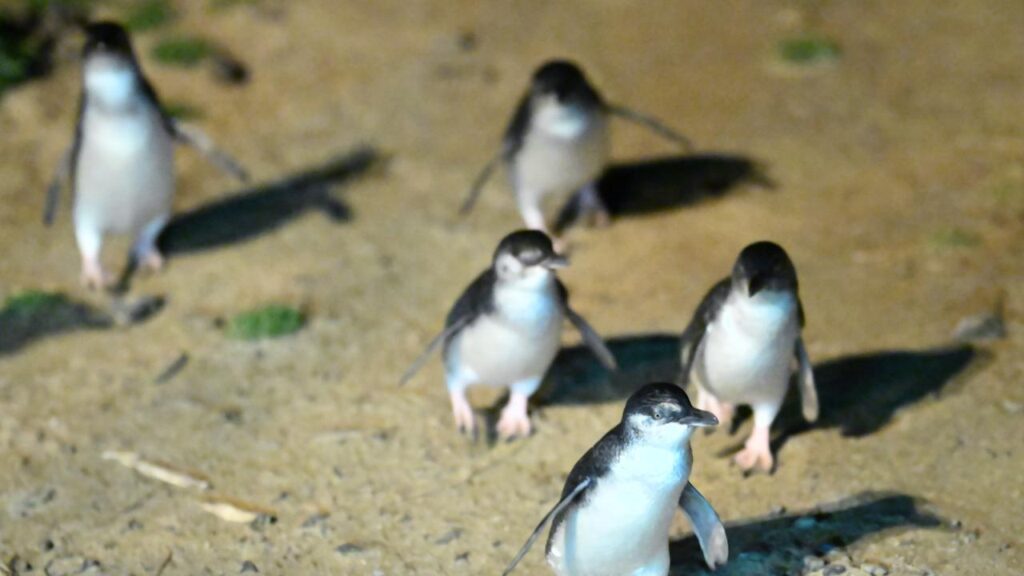
A fox, a raven and a little penguin are the latest suspected bird flu cases in the state hardest hit by the disease, as a vaccination program ramps up to protect endangered species.
There were 195 confirmed H5 bird flu events in South Australia and 41 suspected cases, the state’s primary industries department reported on Wednesday.
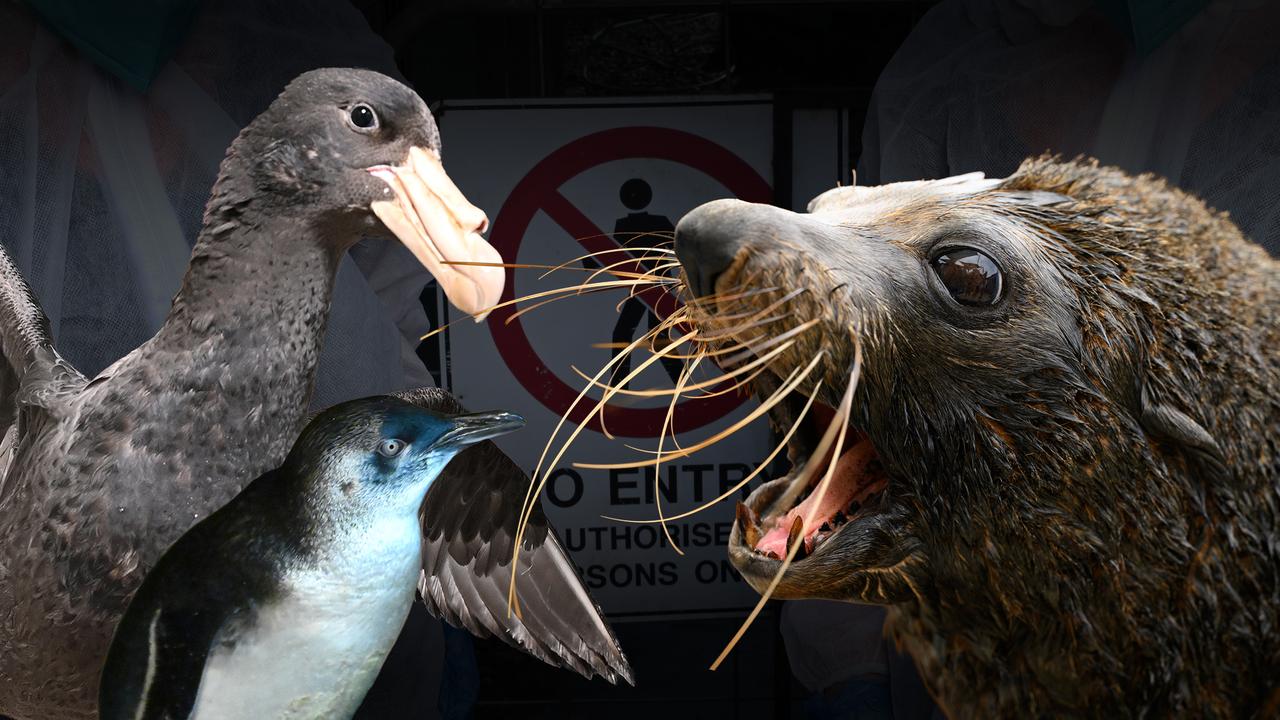
The five new suspected cases since Tuesday include a fox at Osborne in Adelaide’s west, a little penguin and a raven on the Limestone Coast, a Pacific gull on Kangaroo Island, and a greater crested tern at Coonalpyn.
Samples from the cases have been sent to the CSIRO’s Australian Centre for Disease Preparedness (ACDP), with results expected in coming days.
Bird flu reporting in SA is now based on events, rather than individual animal detections, and may involve one or more animals.
There were no H5 bird flu detections in poultry or other livestock and the risk to human health remained low, the SA primary industries department said in a statement on Wednesday.
It said the SA government remained committed to delivering the most comprehensive and effective wildlife and industry surveillance, reporting and preparedness efforts possible.
South Australians are encouraged to continue being vigilant in reporting sick and dead birds and other wildlife, but to avoid touching them.
On Tuesday, it was reported a second long-nosed fur seal had tested positive to bird flu near an endangered sea lion breeding site in SA.
The animal died of the virus at Pages Conservation Park, consisting of two small islands off Kangaroo Island.
Pages is a key breeding site for the endangered Australian sea lion, which has a total population of around 12,000.
It has sparked fears of a possible extinction event.
It comes after a long-nosed fur seal died at Beachport, South Australia, on Sunday, marking the Australian outbreak’s first recorded mammal death.
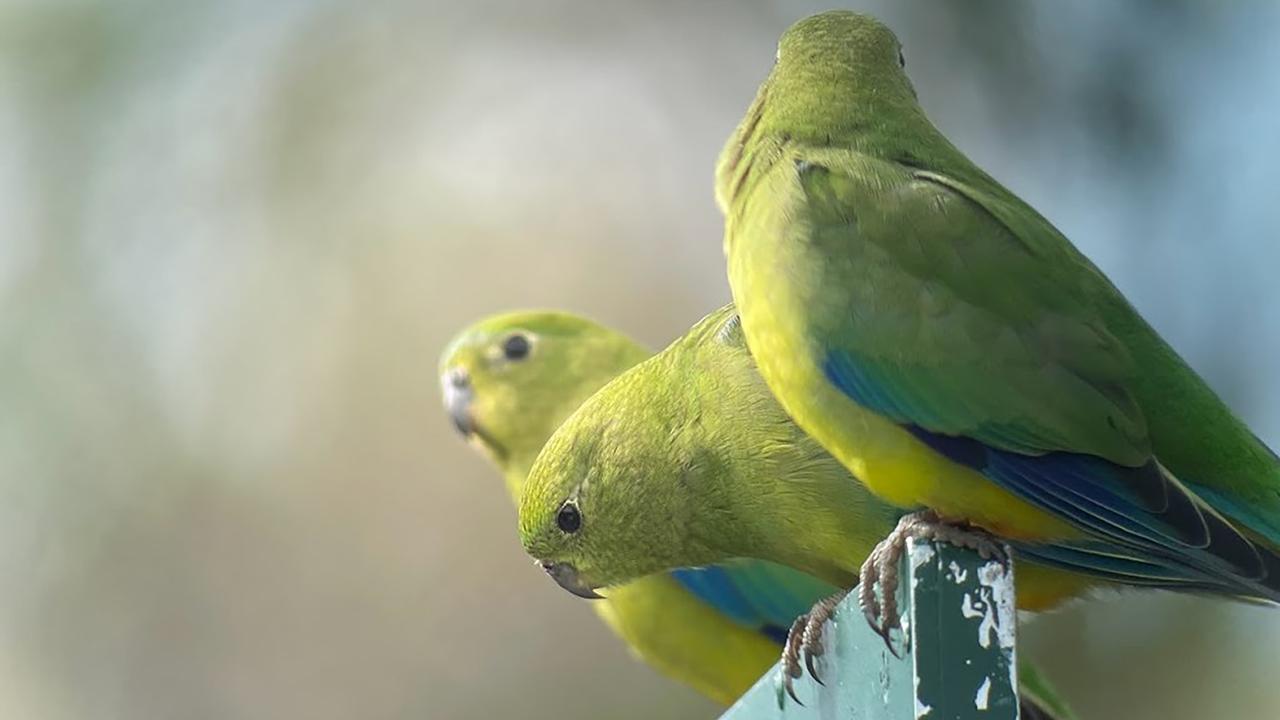
Captive populations of two of the country’s most critically endangered species have been prioritised for bird flu vaccinations.
Up to 100 native birds at Cleland Wildlife Park south of Adelaide have been approved for vaccination across more than 30 different species.
Captive orange-bellied parrots, which has a wild population of fewer than 100 birds, and regent honeyeaters – which number fewer than 400 – are among the species approved.
Meanwhile, Queensland has confirmed its second bird flu case in an unidentified species of shearwater.
AAP