‘Solar coaster’: industry fears renewable rebate end
Jennifer Dudley-Nicholson |
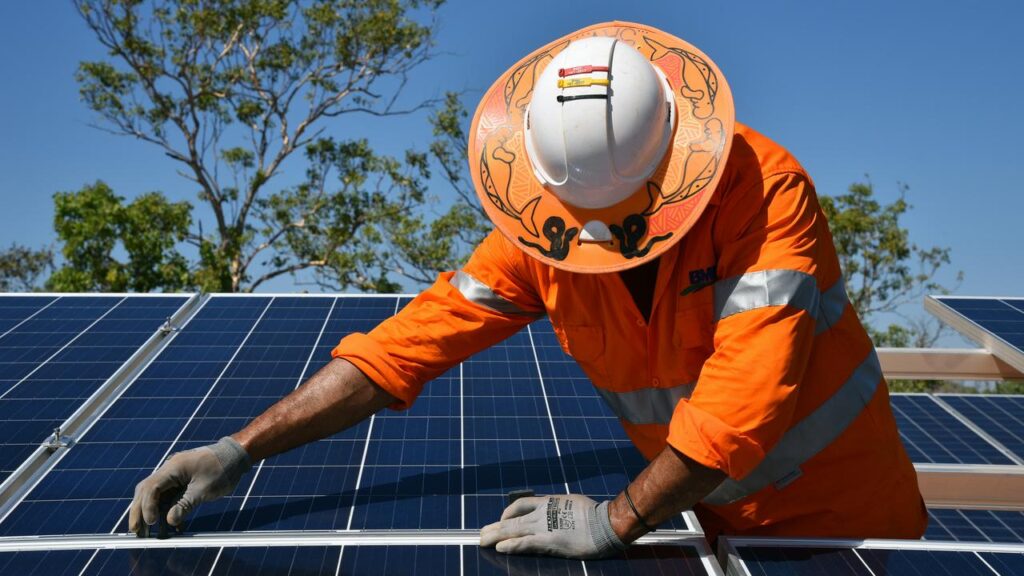
Business has boomed for more than three in four solar companies, powered by the battery rebate, but almost as many fear a bust when government support ends.
Some solar installation firms are faring substantially better than others, a study has found, with smaller operators less likely to reap financial benefits than their larger rivals.
Software firm Pylon issued the findings on Wednesday in research that surveyed hundreds of solar and battery companies on the frontline of the consumer energy transition.
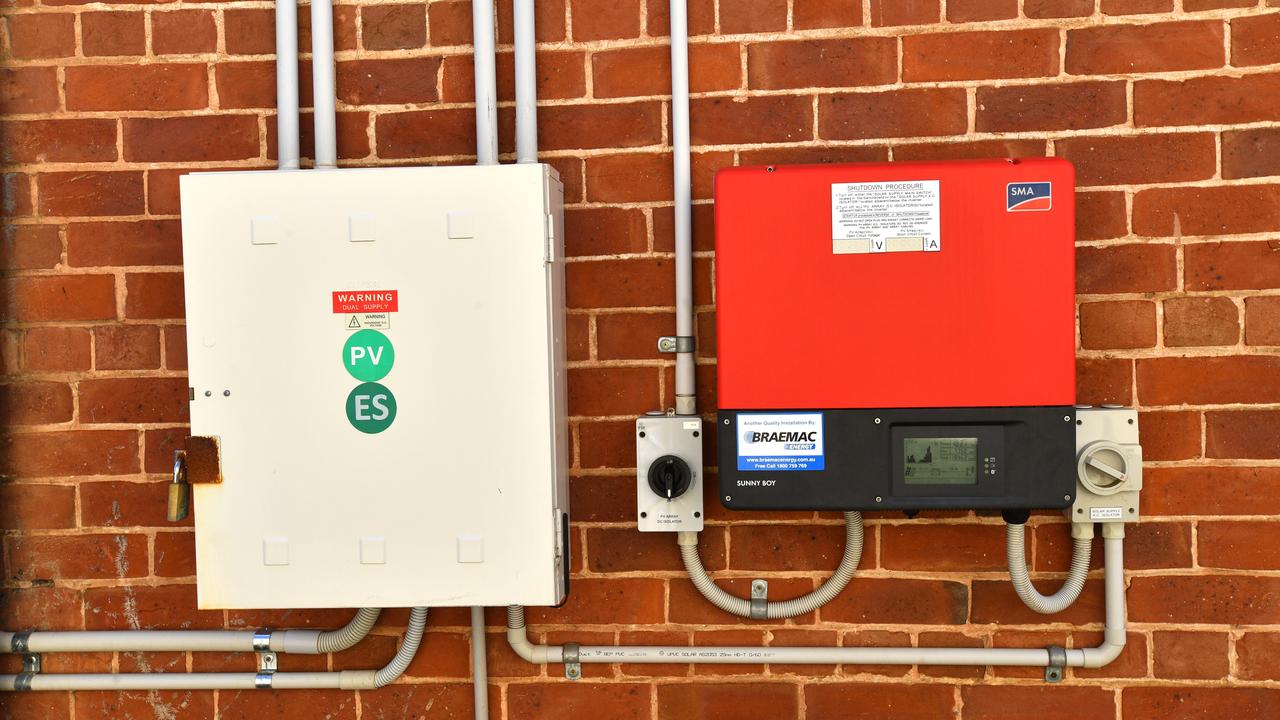
The study comes less than two weeks after Australian households and businesses passed a renewable energy milestone, installing more than 500,000 batteries, and four months after changes to the Cheaper Home Batteries Program.
The inaugural Pylon State of Solar Business 2026 survey polled representatives from 345 solar installation companies across Australia about the industry, rebates and concerns.
It found most businesses (78 per cent) had grown as a result of the battery discount introduced in 2025 and almost half (47 per cent) considered it positive for the industry.
But almost as many companies named a sudden end to the battery rebate as the biggest threat to their business (69 per cent), ranking even higher than equipment price hikes or shortages.
The Cheaper Home Batteries Program discounts solar battery installations by about 30 per cent for eligible households and businesses.
Changes to the program in May reduced the discount for larger batteries, which Pylon chief executive Nelson Zheng said made sense but caused rapid change and concern for businesses.
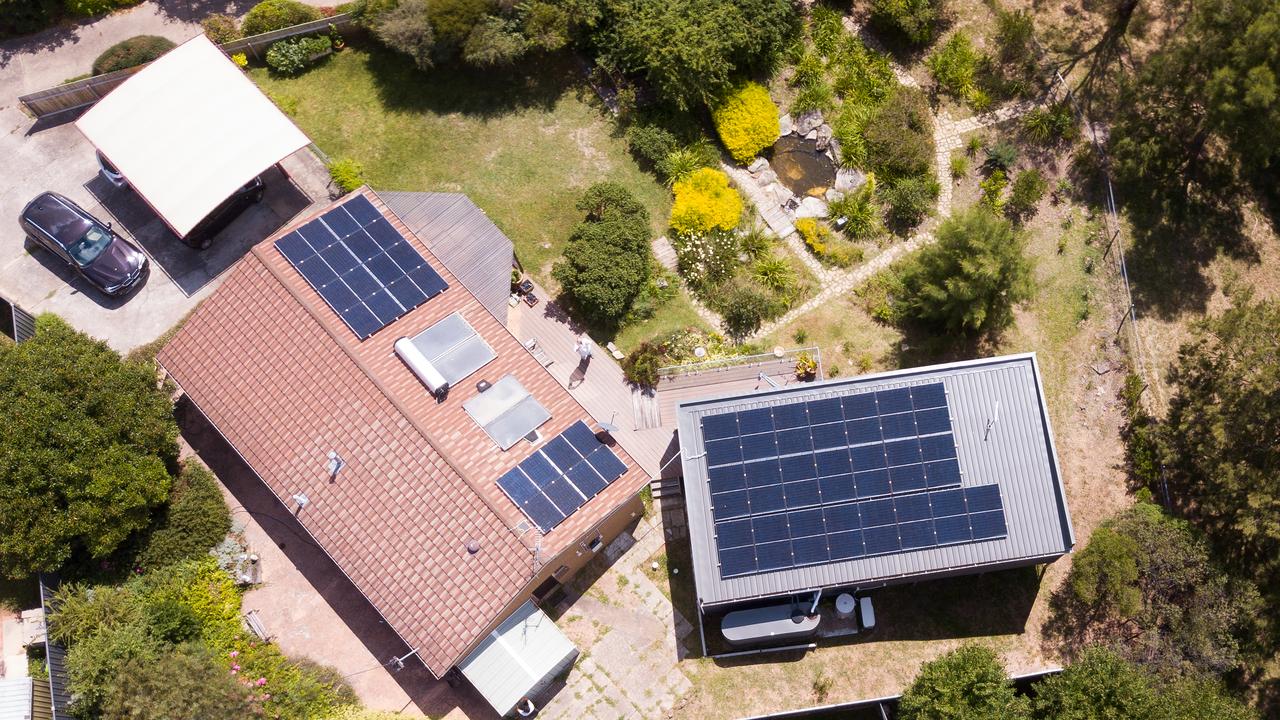
“The change caused a massive rush – it shifted a lot of demand that may have happened in the remainder of the year into February, March and April,” he told AAP.
“The boys in the industry like to call it a solar coaster.
“A lot of these businesses, what they really want is stability. They don’t want it to be there one day and then gone.”
The study found large installers benefited most from the government’s battery rebate, with 86 per cent of companies with more than $1 million in revenue reporting a boost.
That figure dropped to 69 per cent for small and medium-sized solar firms, however, and 67 per cent for installers that had previously specialised in electrical, plumbing and other services.
Many companies that did not see an uptick in trade had limited access to subcontractors, Mr Zheng said, and could not expand to meet demand.
“They’re doing the installation and sales themselves and … they were limited to how many projects they were able to install,” he said.
More NSW businesses fared well than those in Victoria, the report found, with research highlighting NSW’s simpler approval process for accredited installers.
AAP