‘Things won’t change’: PM insists GST deal is iron clad
Andrew Brown |
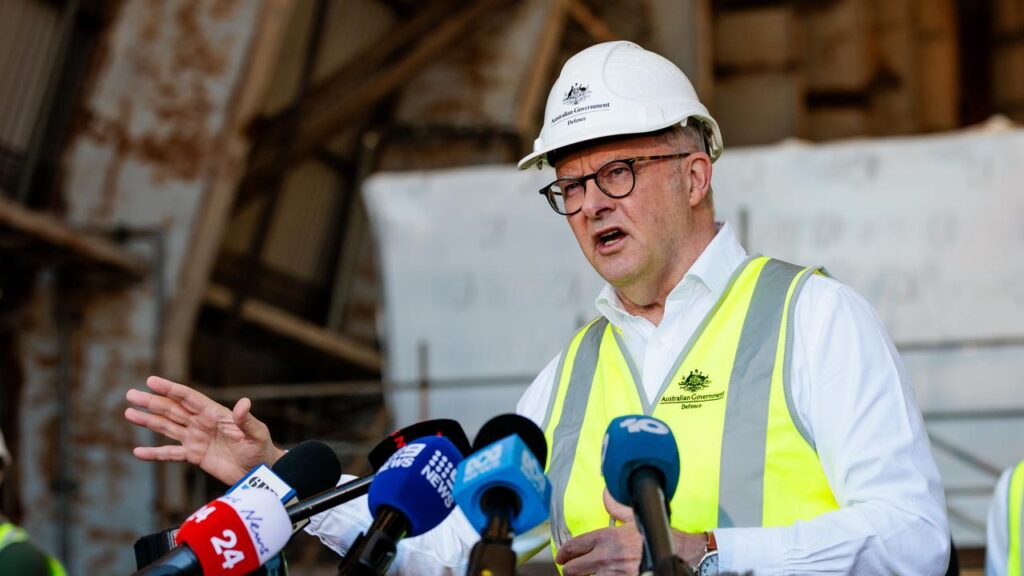
WA’s generous GST deal will remain, the prime minister vows, insisting he will not walk back the promise.
“Things won’t change with the GST. I’ve made that very clear,” Anthony Albanese told the ABC on Tuesday.
“It’s reasonable that WA get its fair share and that’s what this represents.”
A Productivity Commission report found the “perverse” GST deal struck in 2018 by the Morrison government had cost federal taxpayers $23 billion in top-up payments to WA so far and said it needed to be scrapped.
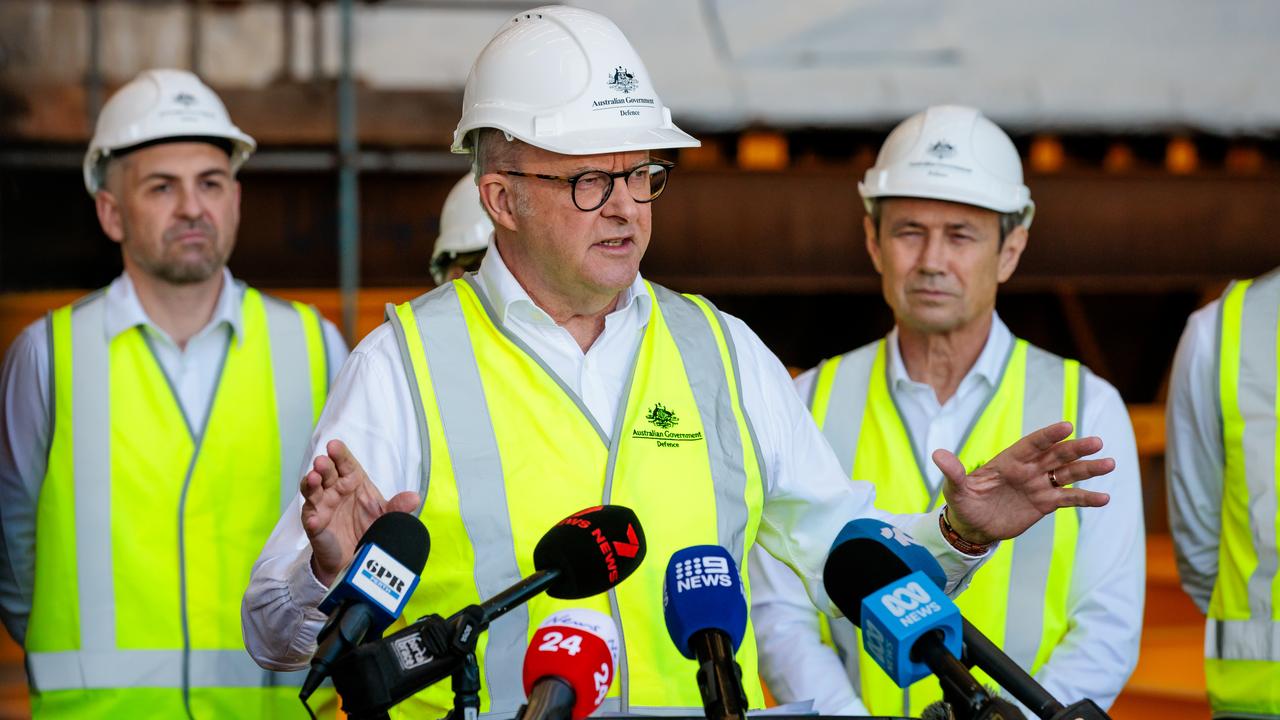
The federal budget forecasts the deal will cost $6.6 billion in 2026/27 and $60 billion by the end of the decade.
But despite criticism over policy stances on other issues such as negative gearing and the capital gains tax, Mr Albanese insisted WA’s GST deal would not change.
“This report was commissioned by the Morrison government, not commissioned by us,” he said.
“If you ask the Productivity Commission to do a report, you shouldn’t be surprised that an economically rationalist position pops out the other end.”
The prime minister will host state and territory leaders for a national cabinet meeting on Wednesday, where the GST deal is expected to be discussed.
Other jurisdictions have called for a more equitable deal for the GST.
Productivity Commissioner Angela Jackson said if the deal was not in place, it would mean a $450 a year tax cut.
“Fundamentally, it’s costing obviously the Commonwealth government around an extra $6 billion to $7 billion per year,” she told News24.
“The system has now set itself up where one state in particular is now fiscally a lot stronger than all the other states.”
Resources Minister Madeleine King cast doubt over how the Productivity Commission came to its conclusions.
“There’s no kind of halfway house in that report. It was all about winding back the arrangements that the Productivity Commission itself had recommended in 2018 to the government of the day,” she told ABC Radio.
“I don’t actually quite agree that it has gone through it as methodically as it might have.
“When you look through the report, you’ll notice there’s zero reference to suggestions made by the WA government.”
Ms King said other states had benefited from the GST besides WA.
“States have all benefited because the iron ore royalties that Western Australia has earned for the country have been distributed, for the most part, like 90 per cent all around the country,” she said.
Opposition Leader Angus Taylor said the coalition was also committed to keeping WA’s arrangements in place.
“It recognises the extraordinary work Western Australia has done over a long period of time in building a mining industry, which is a world-leading industry,” he told News24.
“We will support states that make the most of their natural resources.”
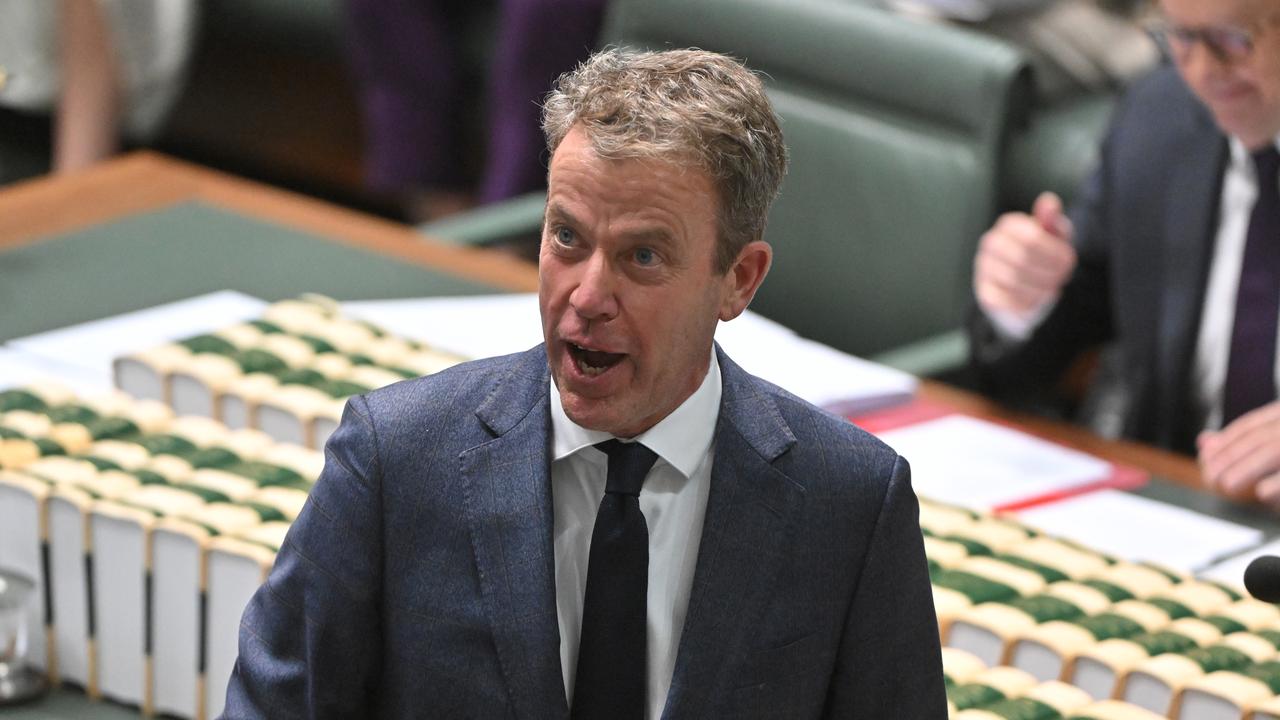
While premiers and chief ministers outside of WA said the GST needed to be changed, opposition frontbencher Dan Tehan said his home state of Victoria was also better off under the deal.
“Victoria, like Western Australia uses its own natural resources, grows its economy, and makes sure that it is as productive as it possibly can be,” he told ABC Radio.
“What we’ve seen in Victoria is it’s locked down all its natural resources and hasn’t been able to develop the state like it was in the past.”
AAP