‘Motherhood statements’: fear gag order vow falls short
Eleanor Wilson |
Convicted rapists are set to lose the ability to hide their identity under suppression orders but experts warn promised changes might not address perceptions of a two-tier system.
Victoria’s Open Courts Act would be amended next parliamentary term to limit the use of suppression orders if the Labor government is re-elected in November.
Premier Ben Carroll made the commitment on Tuesday and declared his intention to stop suppression orders being used to protect convicted rapists.
Attorney-General Sonya Kilkenny said the government was committed to closing “every loophole” used by high-profile accused and convicted persons.
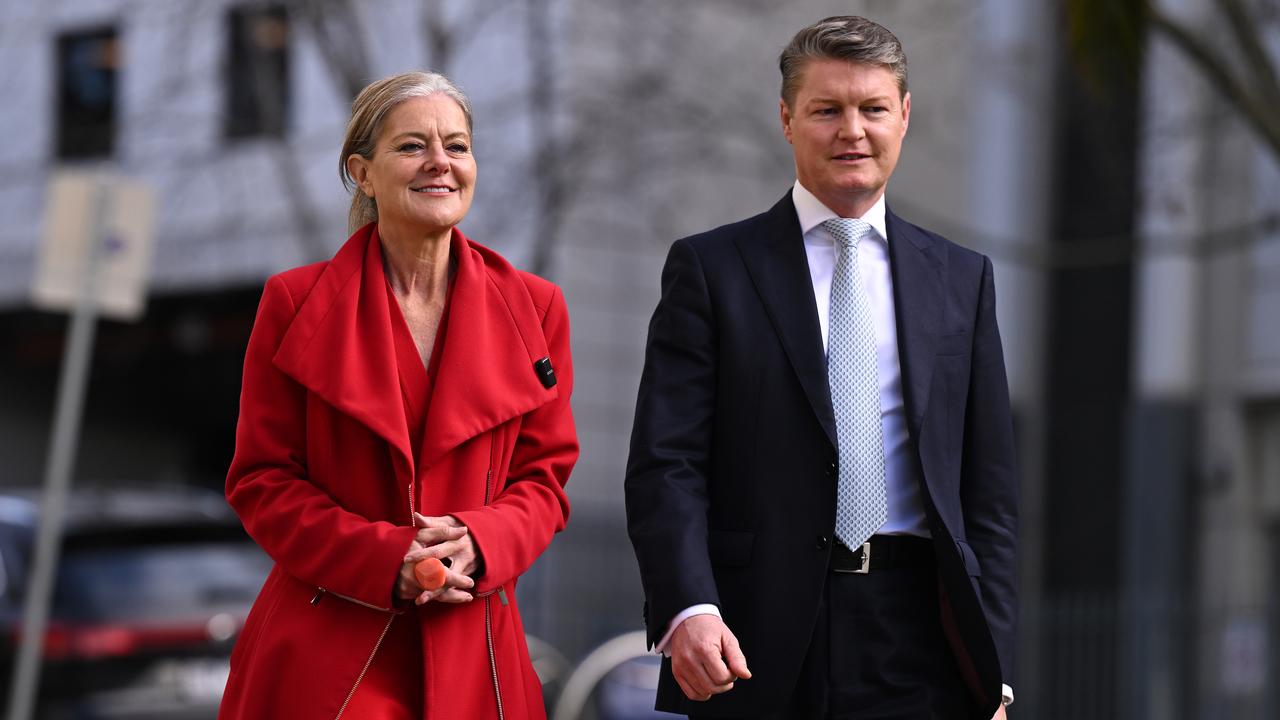
More potential changes would be guided by a review that encompasses interim suppression orders, the length of suppression orders and the grounds for their granting.
“Justice must be open and there must be a balance with the right to a fair trial … but we have seen most recently that we need to look at that,” Ms Kilkenny told reporters.
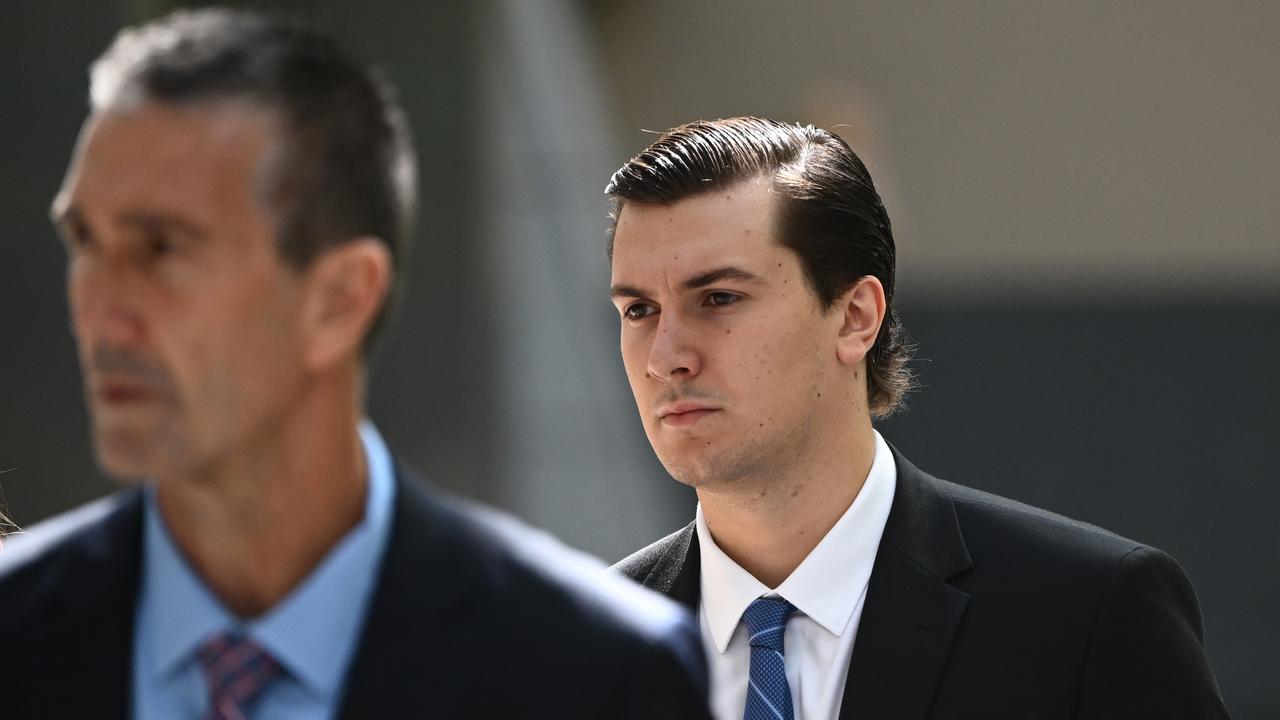
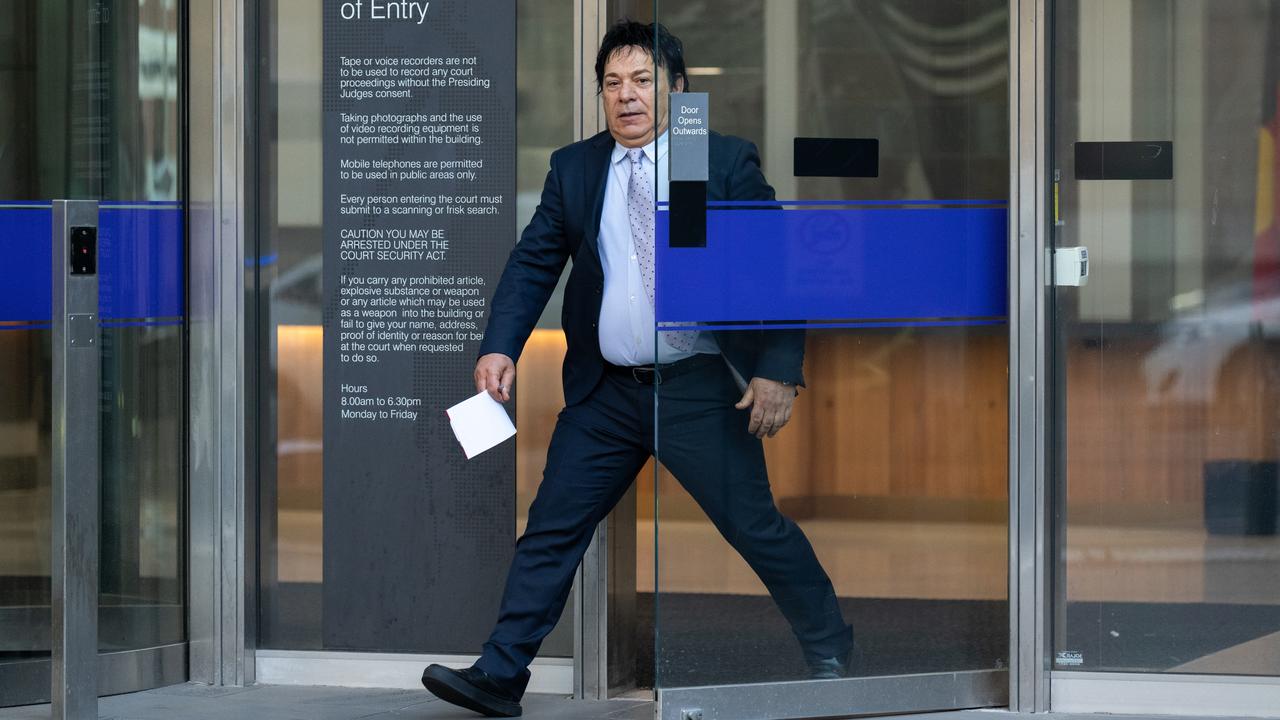
Mental health grounds were used by Tom Silvagni, the son of AFL great Stephen Silvagni, and entertainment and sporting manager Ralph Carr to successfully keep their names from being publicised for 18 months and almost three years, respectively, while facing rape charges.
Both were ultimately convicted and the gag orders lifted.
Justin Quill, who represented media outlets challenging suppression orders granted to Silvagni and Carr, said the “devil will be in the detail” of the changes.
“Until we get that detail it’s impossible to judge whether today’s announcement was a good one or just motherhood statements,” the partner at top-tier law firm Thomsons told AAP.
Challenging suppression orders has become more difficult in Victoria following changes to the Open Courts Act passed in 2013.
The changes broadened the grounds for obtaining a suppression order, with wording changed from protecting a person’s “physical safety” to simply protecting their “safety”.
It has made it more common for defendants to argue mental health as a reason for needing a suppression order with the assistance of a psychiatrist’s report.
“I’m looking for the government to stop defendants using a claim their mental wellbeing will be harmed to hold Victorian courts and the Victorian public to ransom unless they get the secrecy they demand,” Mr Quill said.
Suppression orders are lifted upon conviction in “99 per cent of cases” in Victoria, Melbourne Law School associate professor Jason Bosland said.
“If they (the government) are just focusing on convictions then there will actually, in substance, be no change,” he said.
Ms Kilkenny did not attend a roundtable discussion convened by Professor Bosland at Melbourne University on Monday night following the Silvagni and Carr cases.
“It creates a perception amongst the public that there’s one system of justice for some and another system of justice for others, and that is inherently corrosive,” he said.
Shadow attorney-general James Newbury, who attended the roundtable, said the opposition was also committed to fixing suppression orders.
“There is clearly a problem,” he said.
The Labor election promise was made as the government introduced legislation to parliament to enact sweeping changes to family violence protections.
The bill would make coercive control a standalone offence and ban convicted offenders from using good character references in sentencing, reforms committed to by former premier Jacinta Allan.
Survivor advocate Harrison James said the justice system was becoming more trauma-informed, with good character references abolished in NSW and partially scrapped in the ACT.
“Good character is the very tool perpetrators use to ingratiate themselves into the lives of their victims, their families and their communities,” he said.
1800 RESPECT (1800 737 732)
Lifeline 13 11 14
Men’s Referral Service 1300 766 491
AAP