Japan quake survivors left homeless in sweltering heat
Mari Yamaguchi and Mayuko Ono |
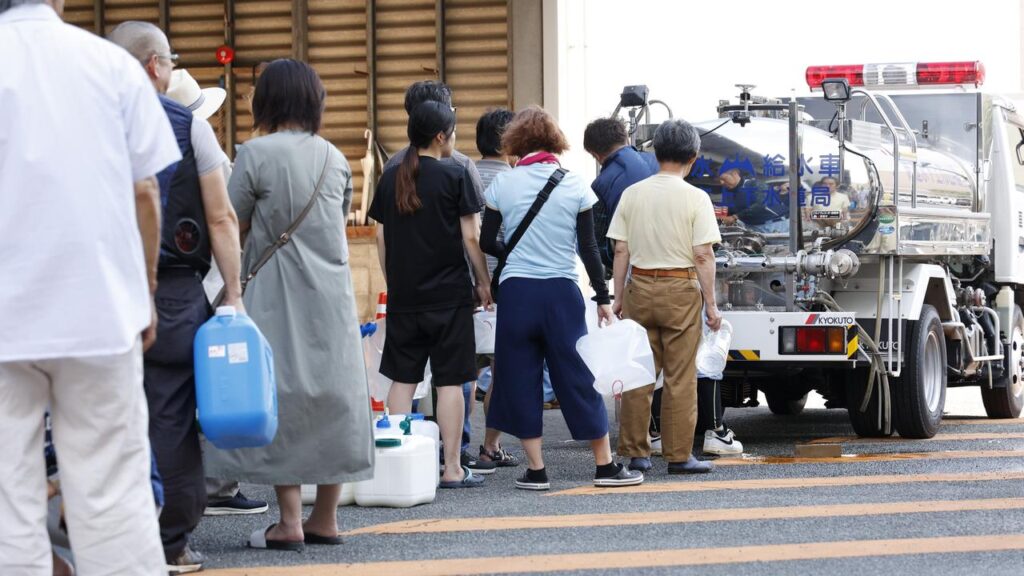
Thousands of survivors of a powerful earthquake in southwestern Japan are staying in crowded shelters or sleeping in cars as they face shortages of water, electricity and fuel and punishing summer temperatures that stoke fears of heat-related illness.
The death toll rose to 34, the Kumamoto prefectural government said on Friday, as rescuers raced to find those still missing after the quake triggered a shopping centre explosion, toppled a factory chimney and flattened homes.
Hundreds of homes remained without power as of late Friday afternoon, down from thousands of households originally affected, as officials worked to restore electricity.
Tens of thousands more remained without tap water.
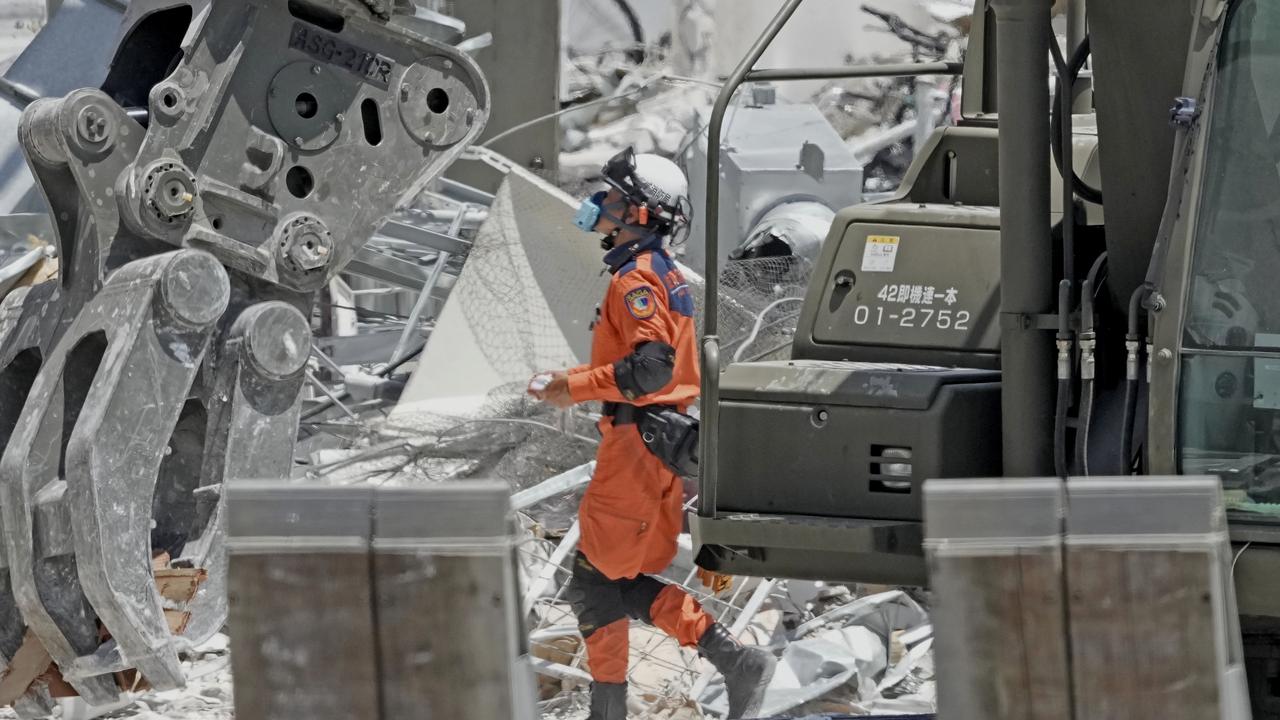
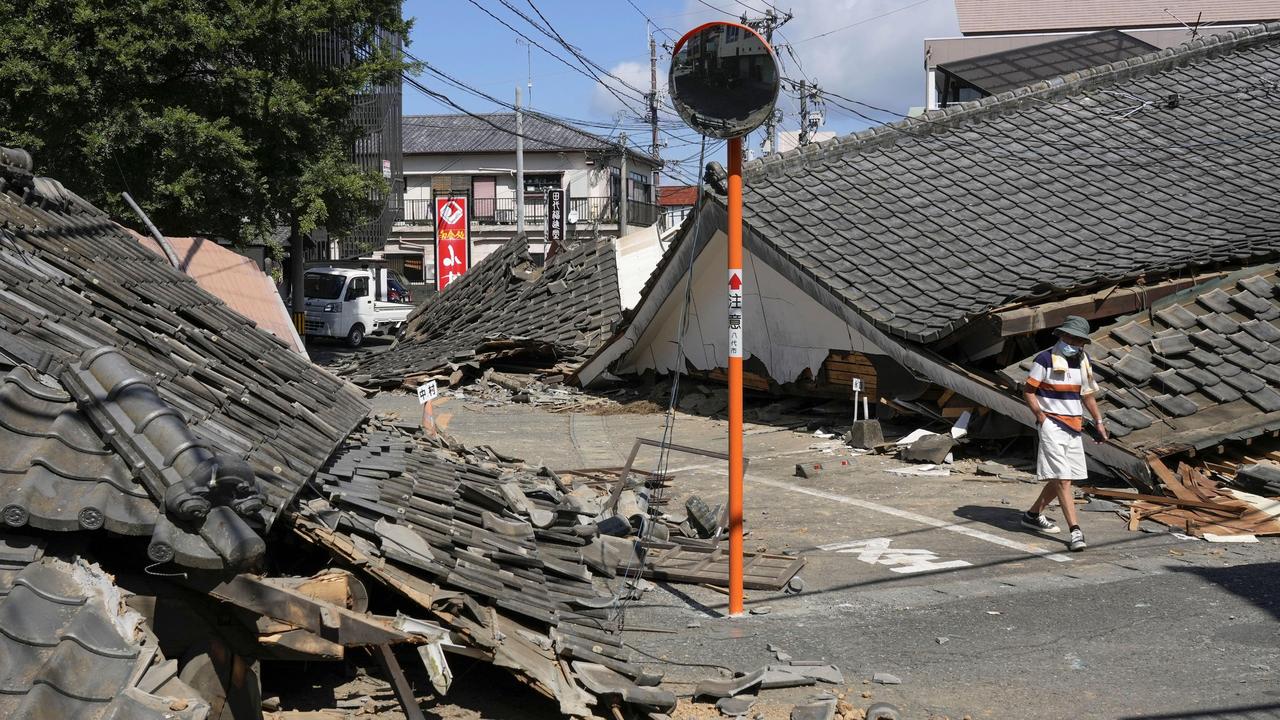
The magnitude 7.1 earthquake hit Japan’s southern main island of Kyushu on Tuesday.
As search operations entered a fourth day, it was not known how many people remained missing and the scale of the damage to homes across the region was still unclear.
Officials said 34 quake-related deaths had been confirmed, with one more death still under investigation, while dozens of people were injured.
About 800 households were without electricity, according to the regional power company, while Kumamoto authorities said over 79,000 homes remained without water.
More than 9000 people were staying in shelters, where power sources were being added to provide air-conditioning.
Fuel has also become scarce as power outages disabled petrol stations and quake damage disrupted deliveries from other regions.
Many have resorted to sleeping in their cars, but with the fuel shortage, they struggle to keep the air-conditioning running in sweltering temperatures.
Japan’s weather agency and the environment ministry issued an extreme heat alert for Kumamoto city on Friday as temperatures peaked at 36C after stifling 35C heat on Thursday.
Hirokazu Sato, who lost his home in the earthquake, said he and his wife and three children would remain in their car until they could move into temporary housing.
“I don’t know how soon I’d be able to move in,” Sato said.
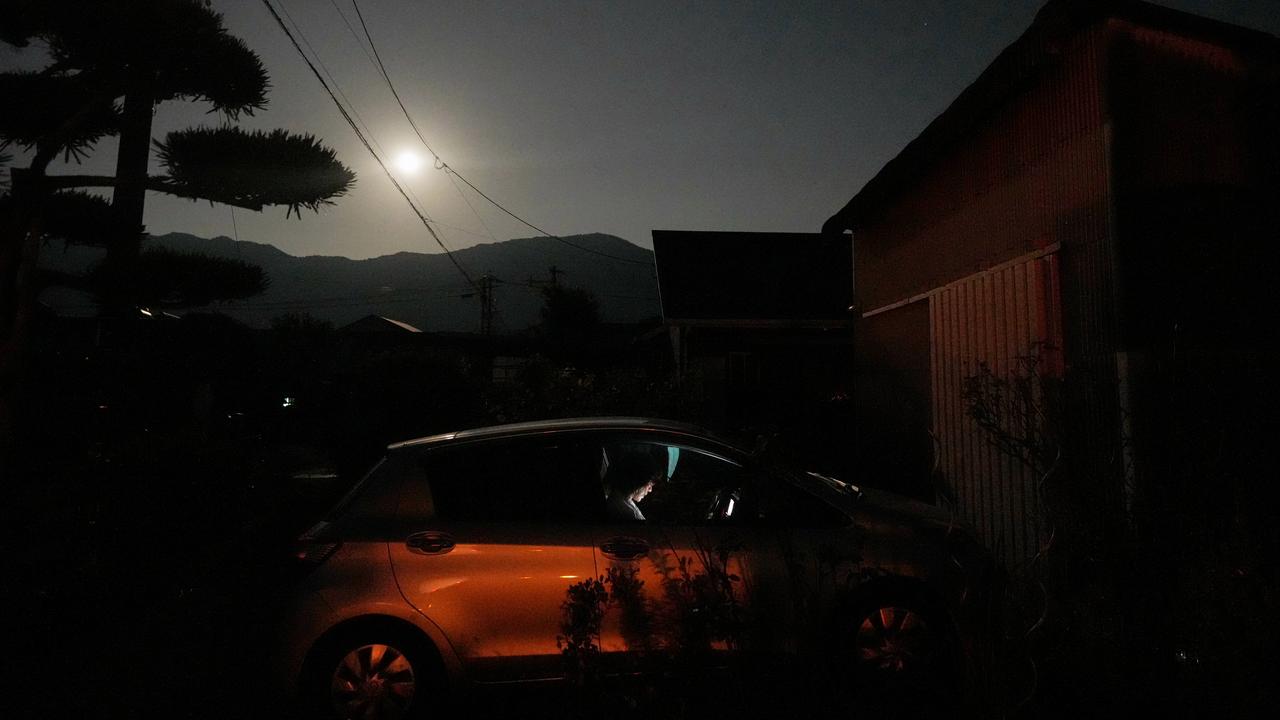
“We need to have the air-conditioning on throughout the day and night, which uses up gas.”
Japanese officials had described on Friday afternoon as a crucial point for rescue efforts as some experts say survival chances decline after the first three days.
With search dogs, rescuers continued looking for survivors across the Kumamoto area, including at the collapsed Aeon Mall in the town of Kashima, one of the hardest-hit sites.
The complex was bustling with thousands of people when the quake happened.
The company said about 3000 shoppers were evacuated to a parking lot before an explosion happened in another part of the mall, where some staff remained working.
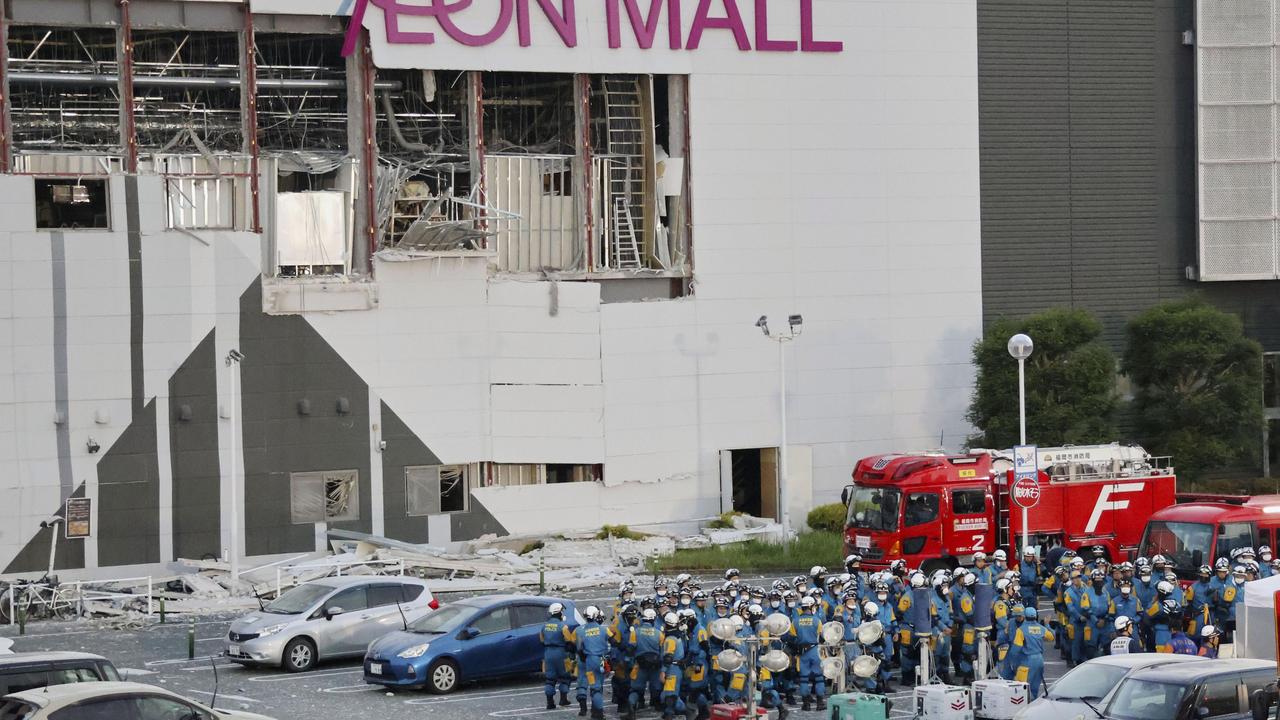
The centre’s second floor collapsed, trapping people.
At the site, seven people were confirmed dead and 11 had been rescued, Japanese Chief Cabinet Sec Minoru Kihara told reporters in Tokyo on Friday.
Authorities did not say how many were still missing.
A search operation had ended at a Nippon Paper Industries factory in the Yatsushiro area where a chimney collapsed in the quake, Kihara said.
Searchers rescued 11 people there, while nine others were confirmed dead.
Smaller-scale searches continued at the sites of collapsed houses in badly hit towns in southern Kumamoto.
Authorities have not supplied a firm figure for how many people are missing.
Kumamoto is also a major industrial hub, and there are concerns that the quake could possibly disrupt semiconductor and auto-parts supply chains for months to come.
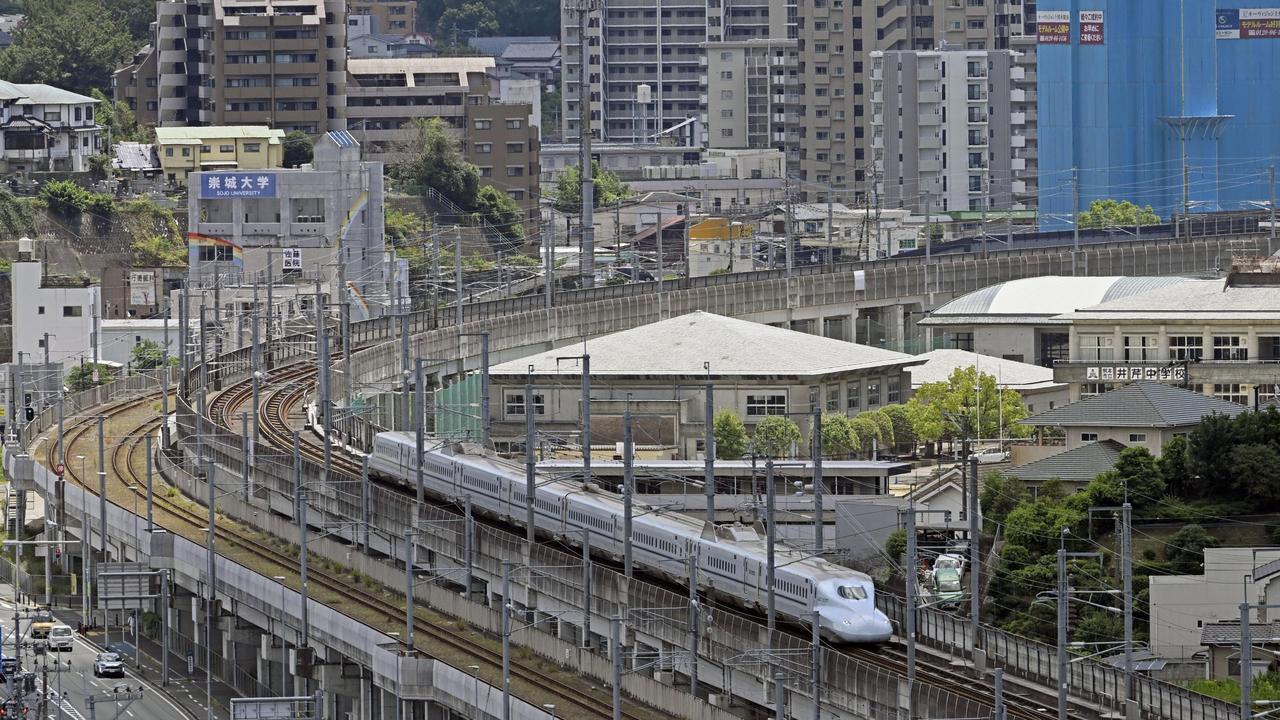
Meanwhile, Shinkansen bullet trains resumed between Kumamoto and Fukuoka to the north but with reduced services, according to Kyushu Railway Co, while those connecting cities down south to Kagoshima were still suspended.
Local trains in quake-hit areas, mainly in southern Kumamoto, were still suspended due to quake damage.
AP