Teachers to strike for third time as pay talks stall
Eleanor Wilson |
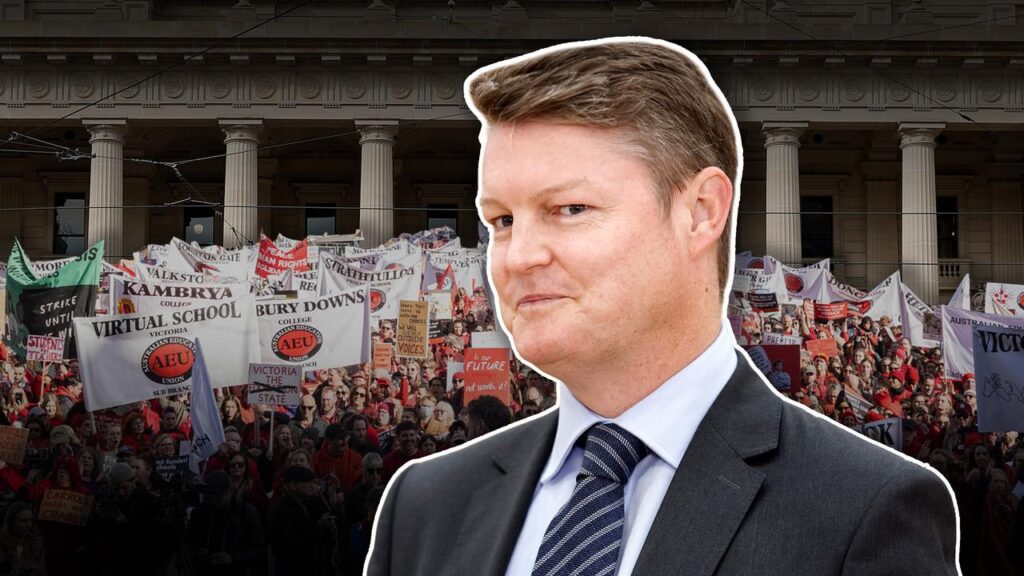
Families will need to scramble to find care for their school-aged children for the third time in months unless a bitter teachers’ pay dispute is resolved soon.
The Australian Education Union says it will stage a 24-hour stop-work action in Victorian state schools on August 19, following a vote by the union’s joint primary and secondary council on Friday.
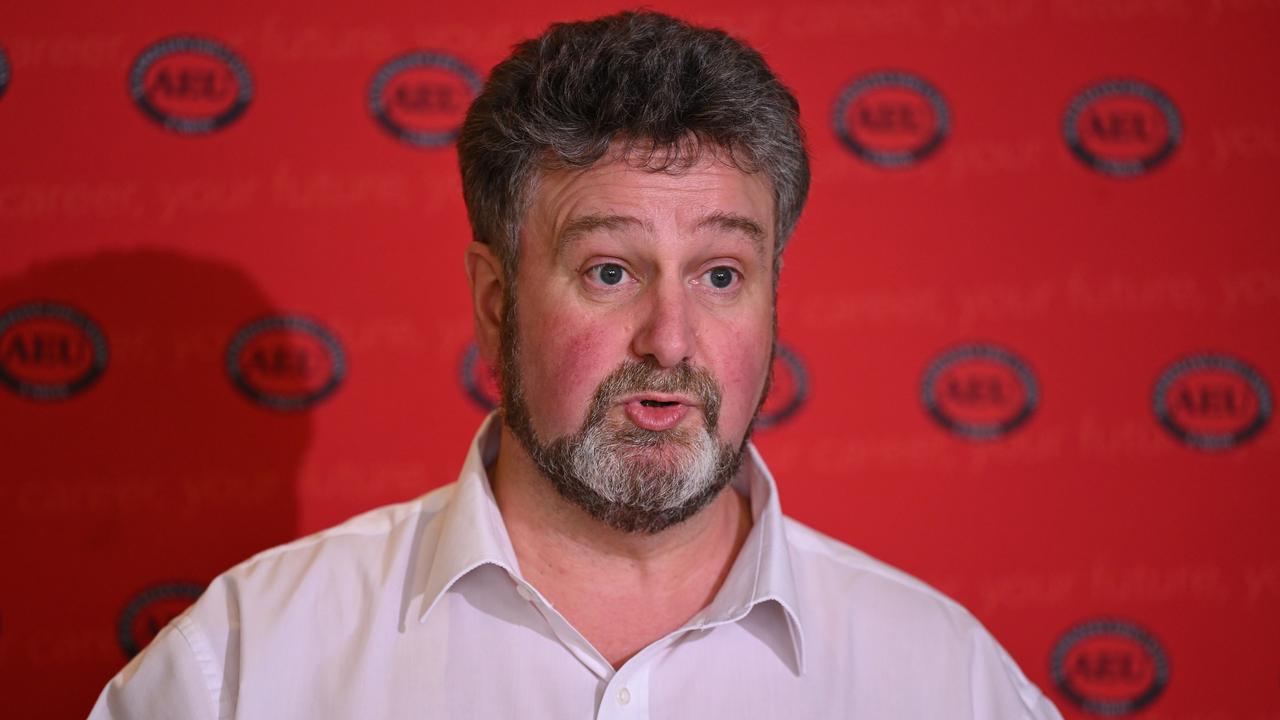
The strike will go ahead unless union members and the government reach an agreement beforehand, Victorian union branch president Justin Mullaly says.
“They (members) want to see the government put a revised offer, and they want to be able to genuinely consider any revised offer,” Mr Mullaly said.
“That’s the critical thing right here. In the absence of that, then we will escalate our campaign.”
Union educators have been locked in negotiations with the government for months, with graduate teachers – the worst paid in the nation – earning $13,000 less than those in the Northern Territory, who are the best paid.
Premier Ben Carroll on Thursday said his door was open to further negotiations and believed the government was close to sealing a deal after “pulling every lever”.
Mr Mullaly claimed negotiations with the government had not progressed since the last pay offer was tabled on July 17, with no further talks scheduled.
“I would need an invitation to attend a meeting. That is what would get me in the door,” Mr Mullaly said.
“He needs to get on and enable negotiations so that we can secure a revised offer to consider.”
But there are questions about who will front negotiations with the public education sector.
Mr Carroll, who was education minister before being elevated to premier on Tuesday, is preparing to unveil a fresh cabinet next week.
The disruption to parents, families and student learning was “all the more reason” for the government to return to the table with a revised offer, Mr Mullaly said.
A government spokesperson said it was “in everyone’s interest” to reach an agreement.
“Families are already juggling a lot and any further disruption is disappointing,” the spokesperson said.
“The most recent offer would have made Victorian teachers and education support staff the best paid in the country, together with the best conditions.”
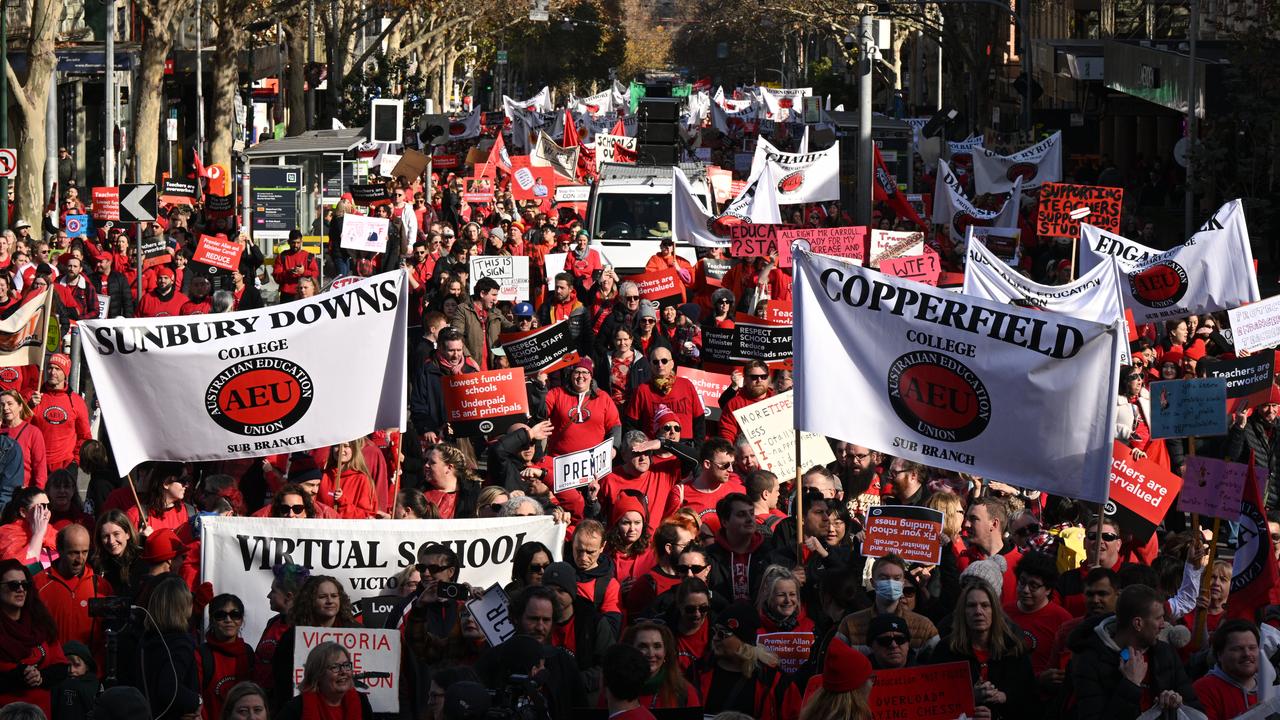
Victorian members of the union narrowly rejected the most recent revised government pay offer on July 17, triggering 20,000 educators to strike across Melbourne’s CBD on July 23.
That deal, which was opposed by 51.8 per cent of members, would have increased pay for teachers and support staff by at least 28.3 per cent over four years, with an increase of 12.75 per cent by October this year.
Union members have been pushing for a 35 per cent pay rise over four years after rejecting an initial offer of an 18.5 per cent increase over three years.
Mr Mullaly acknowledged the latest pay offer was “significant”, but said it was not enough to meet the needs of overworked, underpaid educators.
“Only three-in-10 teachers are saying they’ll stick around until retirement,” he said.
“That’s no good for our public education, that’s no good for our children and young people that we teach.”
Signing a revised offer also relied on securing long-term commonwealth funding through the Schooling Resource Standard, Mr Mullaly said.
“The Labor government promised to deliver full funding to our schools and they need to do that,” he said.
In March, 35,000 unionised public school teachers descended on the steps of state parliament in the first stop-work action in 13 years.
AAP