Homeless Australians trapped in ‘cycle of crisis’
Tess Ikonomou |
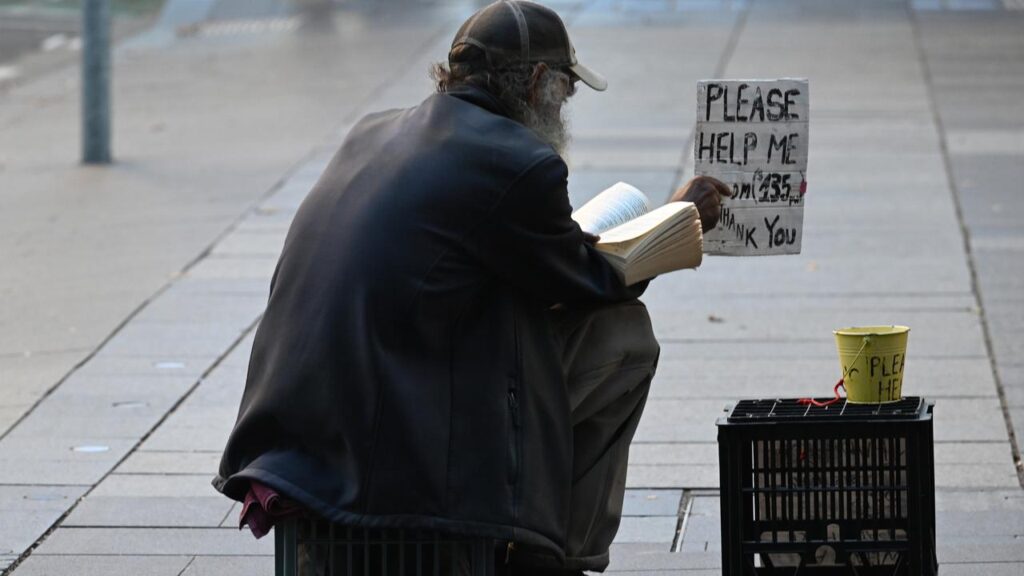
Homeless people in Australia are being shunted from the streets to hospitals and prisons and back again, advocacy groups say, as they call on federal and state governments to deliver 20,000 extra housing places.
New analysis from Homelessness Australia and Mental Health Australia has found more than 31,000 people are trapped in a cycle of crisis, repeatedly rotating through acute mental health services, homelessness, crisis accommodation, hospitals and prisons.
The push, to coincide with Homelessness Week, also calls for a national tenancy sustainment program for people with psychosocial disability.
The analysis shows providing a home linked to support is the single greatest improvement that could be made for the tens of thousands of Australians trapped in the cycle.
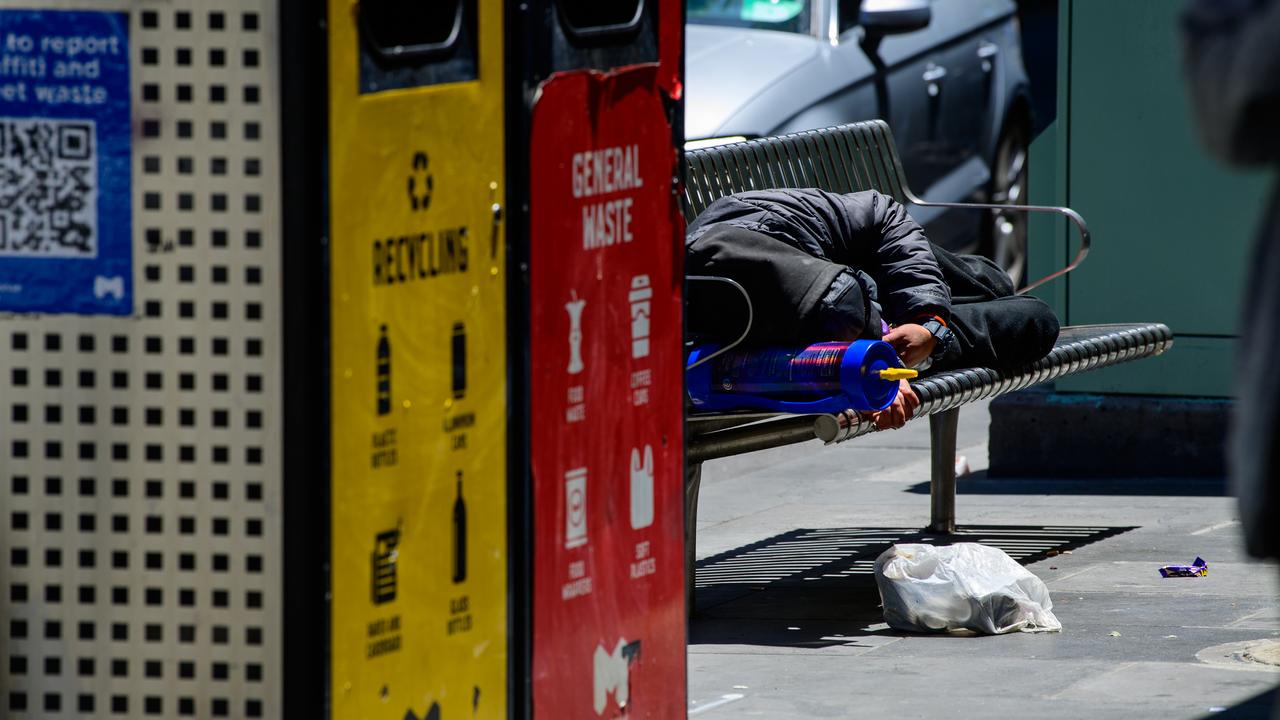
It found persistent homelessness among people reporting a current mental health issue is on the rise, soaring more than 30 per cent between 2019 and 2025, to 20,500 people each year.
The report found prisons are effectively operating as modern day asylums, with 40 per cent of prisoners diagnosed with a mental health condition and more than one third having previously experienced homelessness.
It comes as the nation’s leaders decide on a new National Mental Health and Suicide Prevention Agreement.
“Ministers negotiating the new agreement have a rare chance to fix a problem that has festered for decades,” Homelessness Australia chief executive Kate Colvin said.
“Providing a safe home where people also receive the support they need is not a side issue to mental health reform, it is the single biggest lever governments have to pull.”
Mental Health Australia chief executive Carolyn Nikoloski said ensuring access to housing alongside mental health support was central to effective care, and should not be treated as a separate issue.
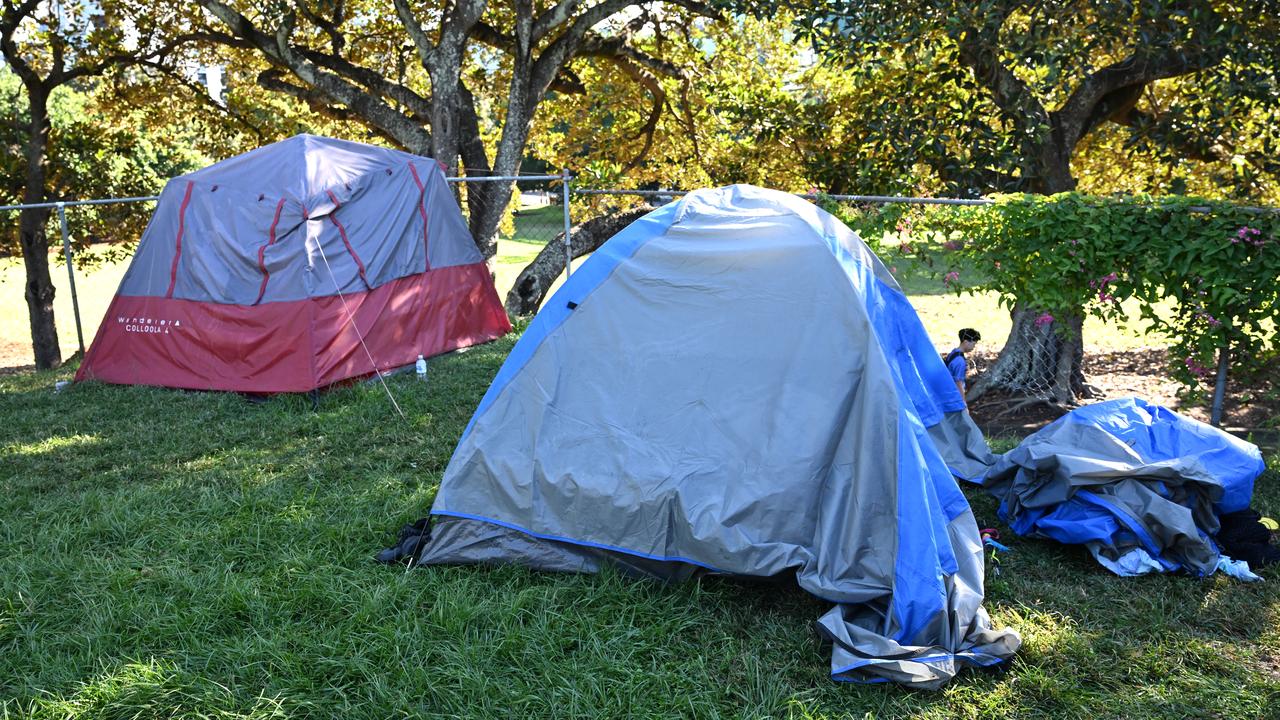
“It’s incredibly hard to recover from a mental health crisis without somewhere safe to live,” she said.
“It’s hardly surprising that people in those circumstances have a higher rate of readmission or crisis relapse, which is why ensuring that everyone experiencing mental health challenges has access to housing is an essential part of supporting their recovery.”
Twenty leading mental health and homelessness peak bodies and organisations have backed the proposal to fund a national mental health homelessness prevention program.
Under the push, homes would be delivered through a dedicated Housing Australia Future Fund funding round, with targeted recovery focused support and new resources for psychosocial disability.
The most acute homelessness currently costs taxpayers about $140,000 per person each year, largely through health and justice expenditure.
AAP