‘A new era’: miner banks profit on metals for tech age
Kaaren Morrissey |
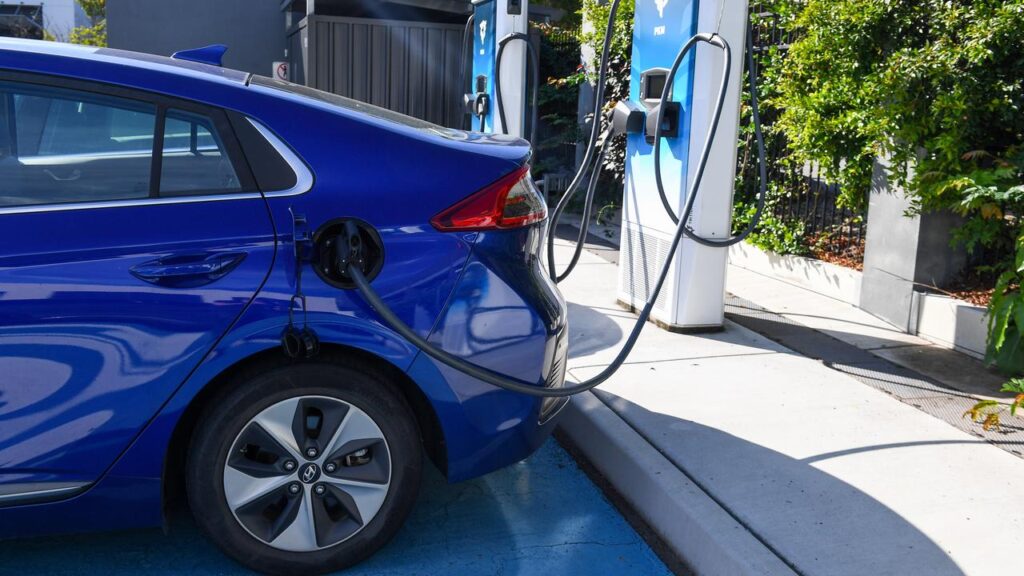
The world’s biggest iron ore miner is racing into a new era driven by electric vehicles and artificial intelligence infrastructure, supported by stronger input from its copper plays.
A bullish Rio Tinto boss Simon Trott said all of the group’s top-tier commodities, including aluminium and lithium, were at the heart of technology shifts.
“We have a leading exposure amongst diversified miners to the biggest trends of our time – electrification, AI, and digital – together with traditional demand,” he told a results briefing on Wednesday.
“These are the materials the world needs and Rio is positioned to supply them at scale.”
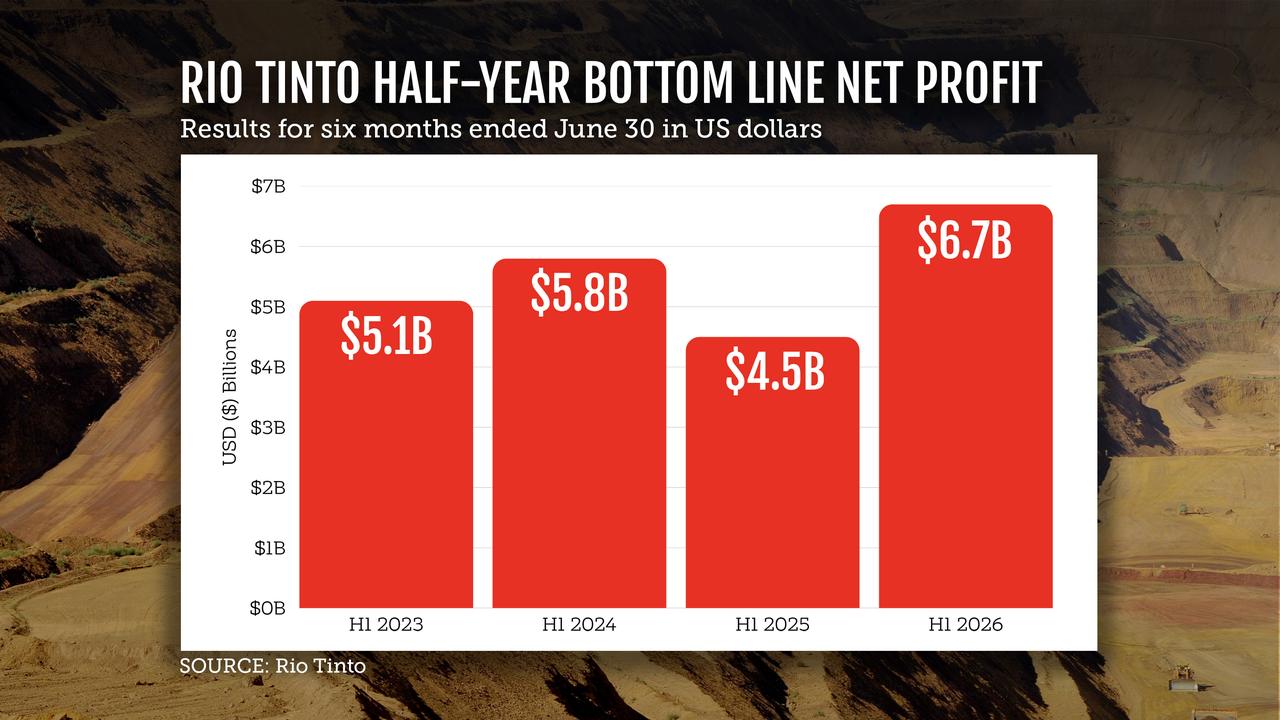
Rio Tinto, which is one of Australia’s biggest corporate tax and royalties sources after handing over $9.5 billion in 2025, reported a 47 per cent jump in bottom-line net profit to $US6.7 billion ($A9.6 billion).
“This has been a strong first half with real momentum building month on month,” Mr Trott said.
“We’re running our assets harder and smarter, moving fast, changing how we work.”
Rio’s underlying earnings – before interest, tax, depreciation and amortisation – rose by 28 per cent to $US14.8 billion ($A21.3 billion) in the six months ended June 30, which was a touch below market expectations.
Iron ore, which is mostly mined out of Rio’s Pilbara operations in Western Australia, continues to drive most of its profits.
Underlying earnings for the steel-making component were flat at $US6.8 billion ($A9.8 billion) in the half as production jumped by five per cent to 170 million tonnes.
But copper is catching up after Rio’s majority-owned Oyu Tolgoi open pit and underground copper and gold mining operation in Mongolia’s Gobi Desert lifted production slightly to 442 kilotonnes.
Earnings for the orange metal, which has various electrical and data uses, soared by 84 per cent to $US5.7 billion ($A8.2 billion) as commodity prices rose.
Rio has been working on unlocking the potential of its copper portfolio, which includes the Kennecott mine in Utah, for the past six years and is targeting one million tonnes of output by 2030.
Oyu Tolgoi is heading towards 500,000 tonnes a year, which would be enough copper to help power over six million electric vehicles.
Earnings for lithium, which is used in batteries to power smartphones, computers and electric cars, were lower at $US200 million ($A288 million).
But that was still a 419 per cent improvement from the same half in 2025 as production rose by more than 50 per cent.
Aluminium earnings were also solid, at $US3.1 billion ($A4.5 billion), an improvement of 31 per cent.
The UK and Australia-listed group’s shares were up by almost five per cent to $166.93 on the local bourse around lunchtime on Wednesday.
“These tier-one assets are the engines of our business and they generated around 85 per cent of our product group EBITDA last year,” Mr Trott said.
“As we continue to improve performance, these advantages only strengthen.”
Mr Trott also had a positive story to sell to investors on cost savings and efficiencies.
Rio has already banked $US870 million ($A1.2 billion) of benefits and is on track to reach $US1.8 billion ($A2.6 billion) by the end of 2026, “with significantly more to come”.
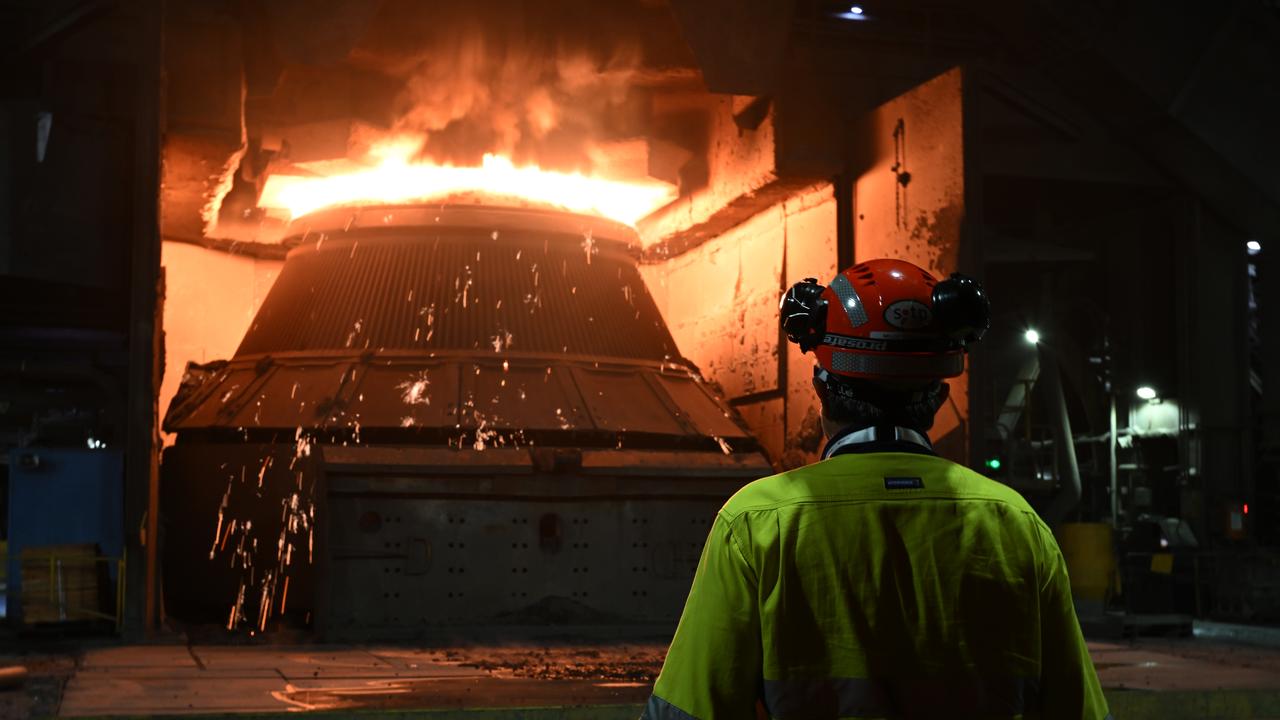
In the half, free cash flow surged 75 per cent to $US3.83 billion ($A5.50 billion).
RBC Capital Markets analyst James Redfern said that was substantially stronger than expected, leaving net debt about eight per cent lower than consensus, at $US14 billion ($A20 billion).
Rio declared an interim dividend of $US2.11 per share, which was broadly in line with market consensus and 43 per cent higher than for the same period in 2025.
AAP