Time-travelling King Charles starts Glasgow Games party
Joanna Guelas |
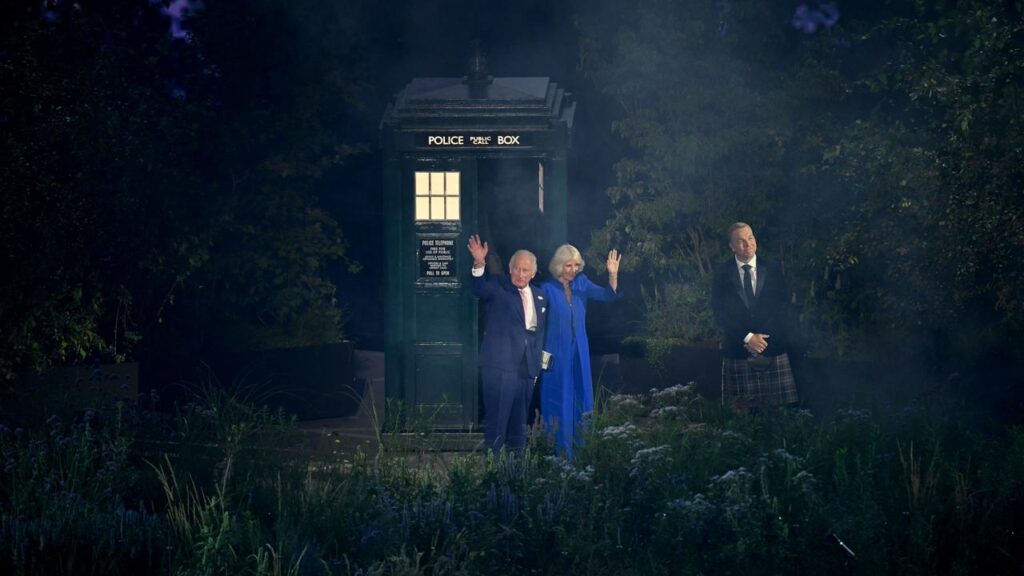
Traffic cones galore, dancing unicorns, the Loch Ness monster and King Charles arriving via the Tardis.
This year’s Commonwealth Games in Glasgow is running on a bare-bones budget, hence why the opening ceremony broke with tradition and was staged indoors at Glasgow’s Hydro.
But the vibrant two-hour party was far from pared back.
And at a time when people have questioned the relevance of the Games after the Victorian government’s shock withdrawal as hosts in 2023, the ceremony on Friday morning (AEST) made the argument for with a modern “love letter to the Commonwealth”.
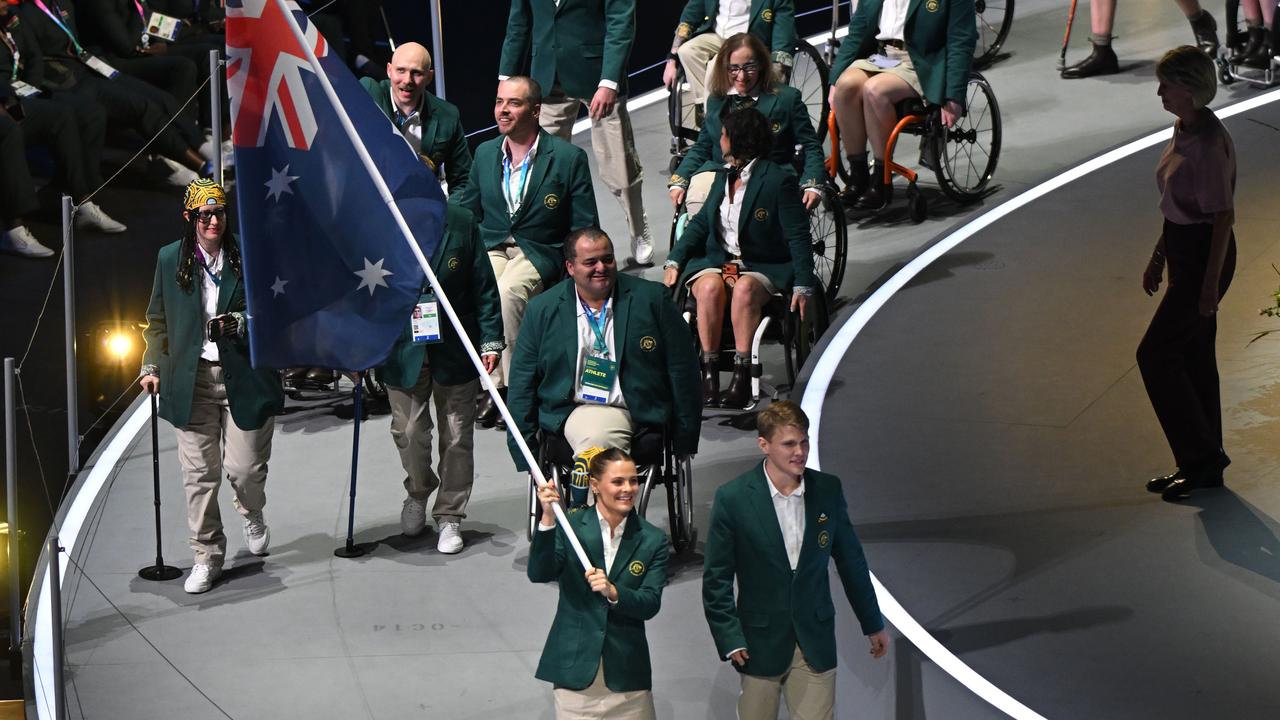
“It was awesome,” para swimming champion Tim Hodge beamed, having performed the new ceremonial role of baton bearer for Australia.
“You wouldn’t be able to tell whether they’d … thought of it in two years’ time, or they’d spent 10 years intricately designing it. It was incredible.”
Australian flag bearer Nina Kennedy also described the extravaganza as “awesome”.
While not exactly parachuting into the 2012 London Olympics opening ceremony with James Bond, King Charles and Queen Camilla kicked off proceedings in style by arriving via the iconic Doctor Who time machine.
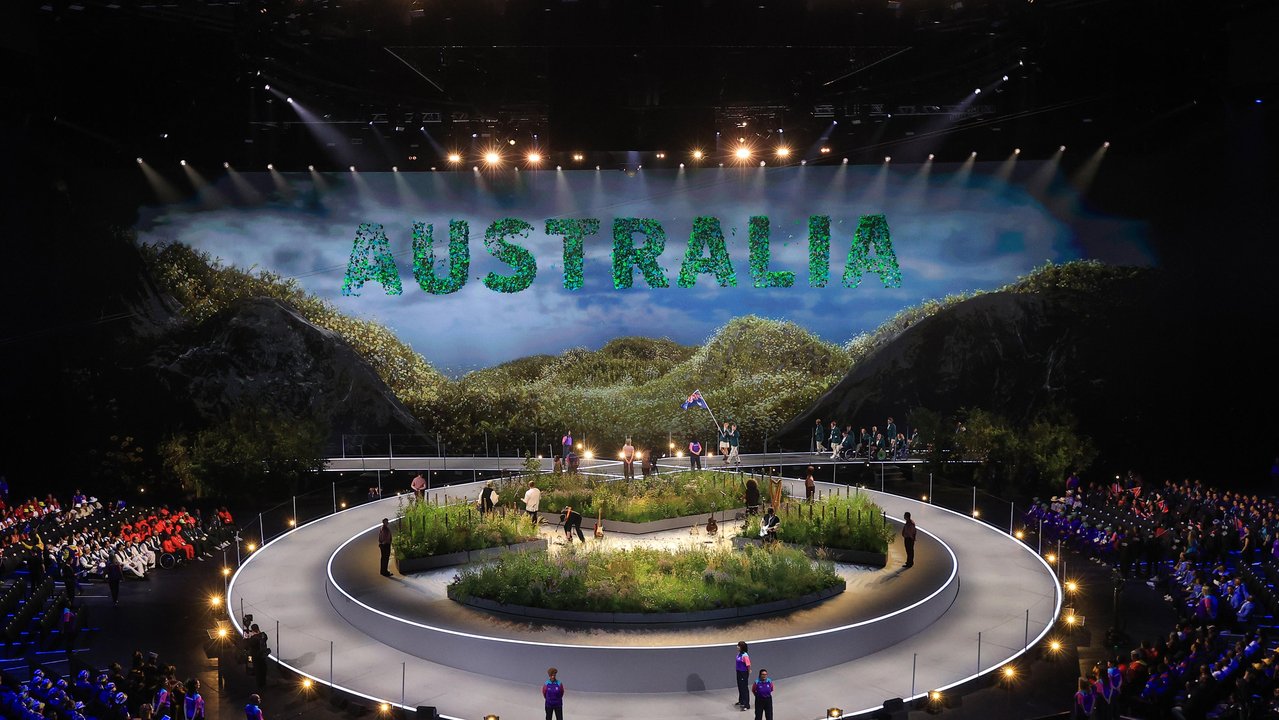
Able-bodied and para athletes from the 74 competing nations were then welcomed to a make-shift Glaswegian garden as electro-folk duo Valtos weaved Celtic influences into a contemporary dance and rap.
Rather than a single King’s baton, nations were given their own to decorate and bring to the opening ceremony.
The batons were handcrafted in Glasgow from Scottish ash fallen in the city’s parks, with each planted within the garden of the opening ceremony.
Approximately a third of Australia’s 257-strong team were part of the procession led by star pole vaulter Kennedy.
The green-and-gold group savoured their moment, briefly stalling proceedings as minders attempted to usher the huge contingent to seats as they waved and snapped selfies.
If ever there was an opening ceremony to savour, this was it. The past three years have been a rollercoaster for Australian athletes.
In another world, Kennedy and Hodge would’ve been leading their nation on home soil.
But Victoria’s withdrawal was the last thing on the boisterous crowd’s minds as Scotland’s team strolled out, with the tartan-clad final nation in the procession given a standing ovation at a venue with few empty seats.
“A city built by people who believe that when something matters, you step forward,” George Black, chair of the Glasgow 2026 organising committee, later roared on stage.
“When the future of these Games was uncertain, Glasgow didn’t ask, ‘can we?’.
“We asked, “When do we get started?’.”
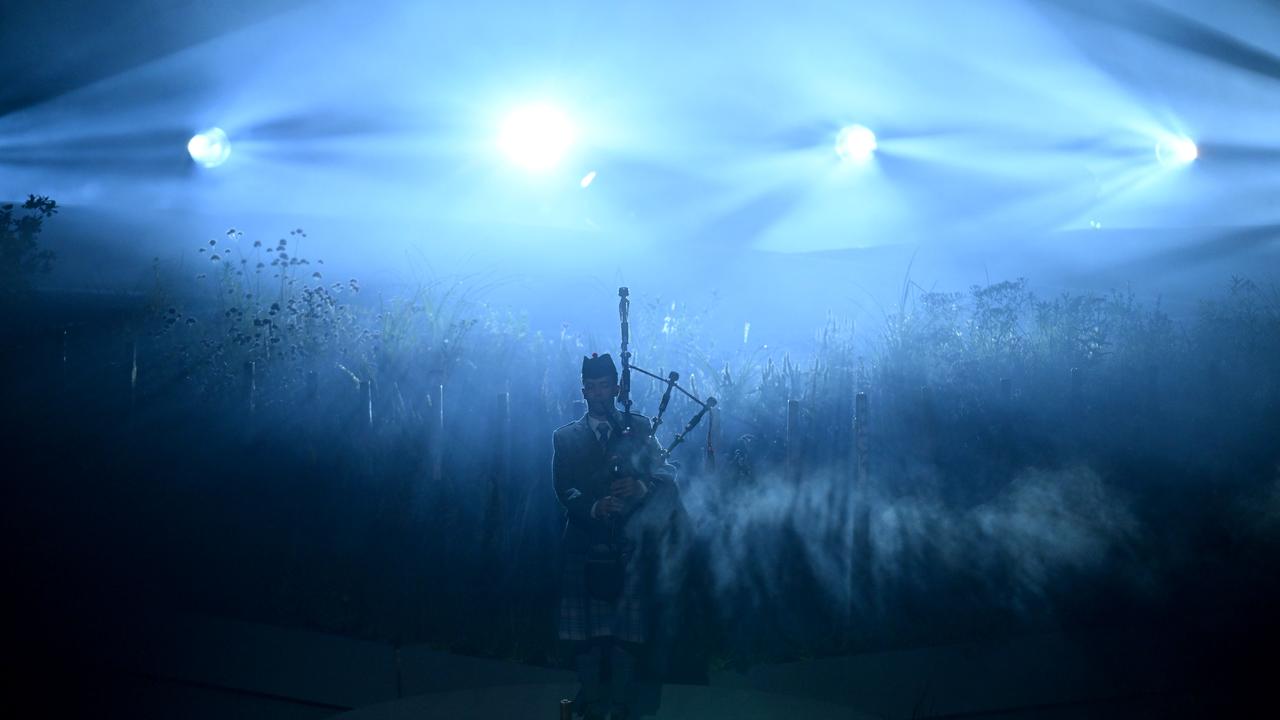
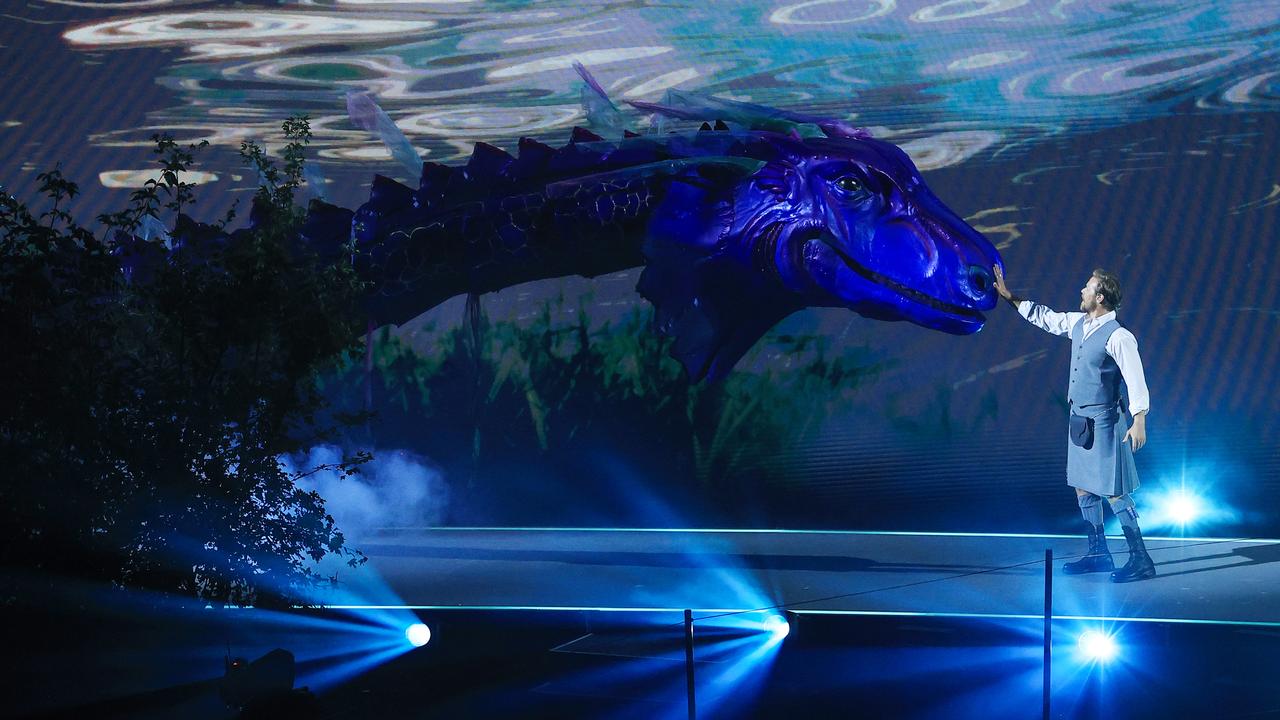
The end of the athletes’ parade was followed by an appearance by Nessie the Loch Ness Monster, actor Sam Heughan of Outlander fame and bagpipers.
The opening ceremony then traversed through many facets of Glasgow, putting on a flash mob under the Glasgow Central station clock, before dancing unicorns with traffic cones – for decades, regularly placed on an equestrian statue of the Duke of Wellington – paid tribute to the city’s underground club culture.
A rousing rendition of the Proclaimers’ anthem ‘I’m Gonna Be (500 Miles) was sung by Nina Nesbitt as the King’s intercontinental baton relay finally came to an end.
Unlike the first time Glasgow hosted the Games in 2014, this year’s 11-day event has just 10 sports and will be hosted at four pre-existing venues across an eight-mile corridor.
While doubt in the relevancy of the Games – which started as the British Empire Games in 1930 – still remains, the Glasgow opening ceremony may have been enough to stir a feeling akin to seller’s remorse.
AAP