Anti-Semitic incident data problematic, police concede
Eleanor Wilson |
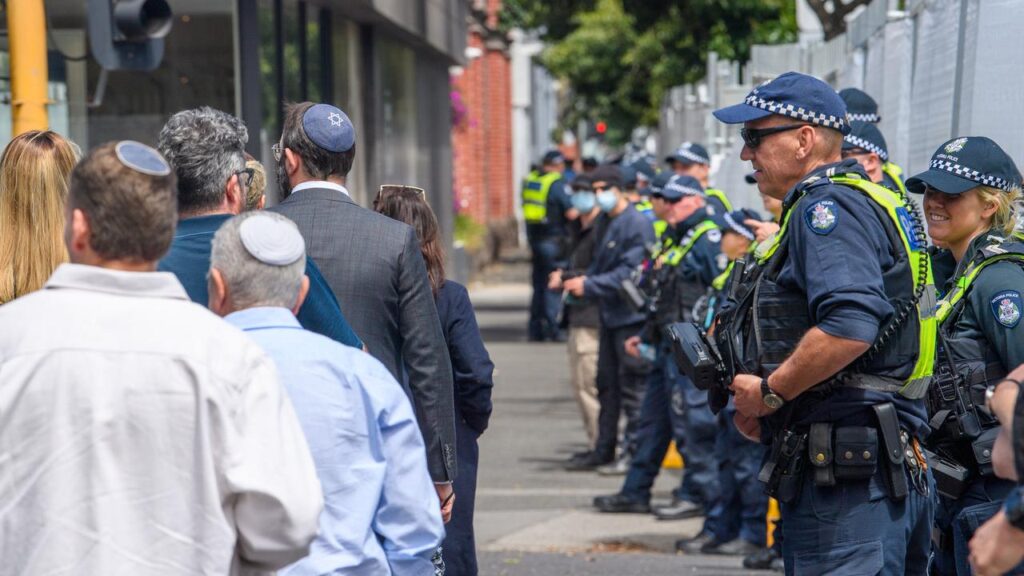
High-ranking police admit a state data system doesn’t properly capture anti-Semitic incidents.
The anti-Semitism royal commission has been told it’s not mandatory to record whether a crime was motivated by anti-Jewish prejudice in Victoria Police’s main database.
Counter Terrorism Group acting commander Kelvin Gale on Wednesday agreed it was impossible to get an accurate picture of the magnitude of anti-Semitism in the community without a mandatory reporting mechanism.
“Its problematic, no doubt,” Mr Gale said.
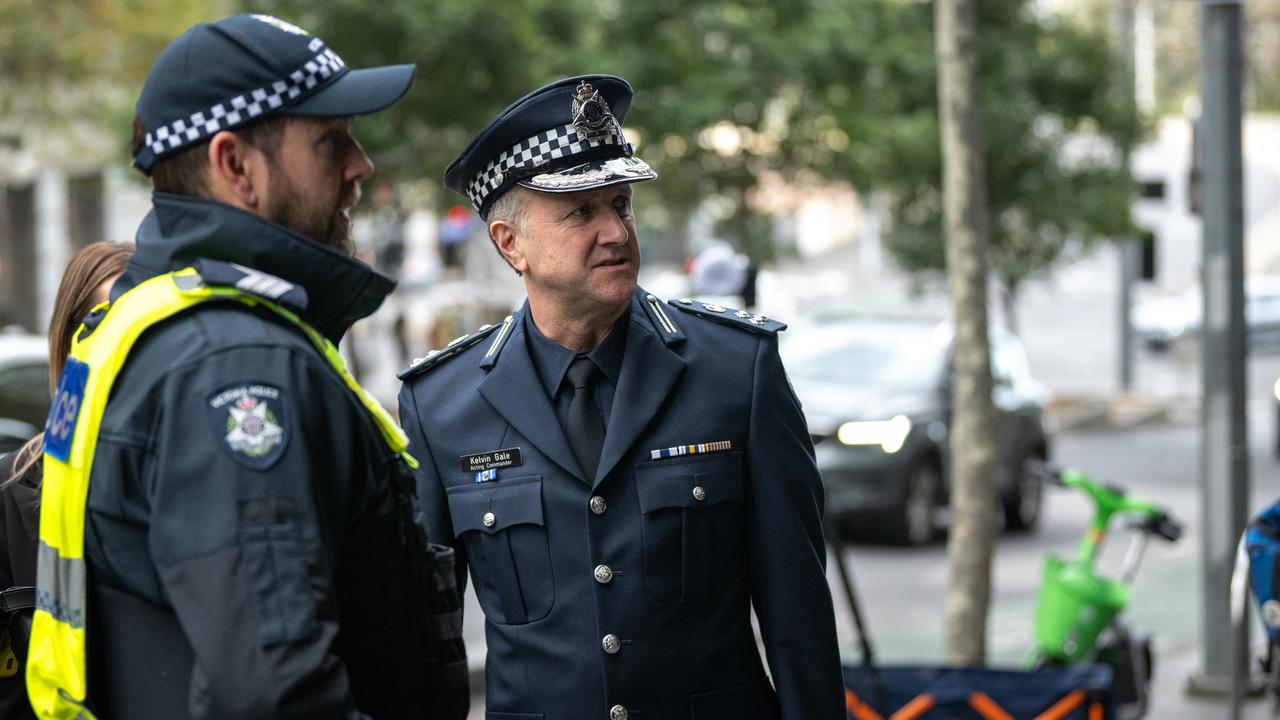
Officers can mention anti-Semitic intent in their narrative reports of incidents and note “Jewish” as a religious motivator for a crime, the inquiry was told.
Guidelines were sent to officers to impress the importance of accurate reporting, but no system reforms were in the works to change the data capture approach, Mr Gale said.
“We acknowledge that within our system there are some things in there that we would like that may not be there,” he said.
But Assistant Commissioner Chris Gilbert said Victoria Police remained in a “very strong position” to respond to threats motivated by prejudice.
“We have in our possession, in addition to the data we do have, other material which would actually help us and it does … assess risk in order to deploy resources,” he said.
Earlier, the state’s police force was criticised for it’s response to an eruption of alleged anti-Semitic violence during protests in Melbourne.
About 56 complaints of anti-Semitism were made to organisers of the “Never Again Is Now” march after a violent clash with members of a weekly pro-Palestine protest in Melbourne’s city centre on May 19, 2024.
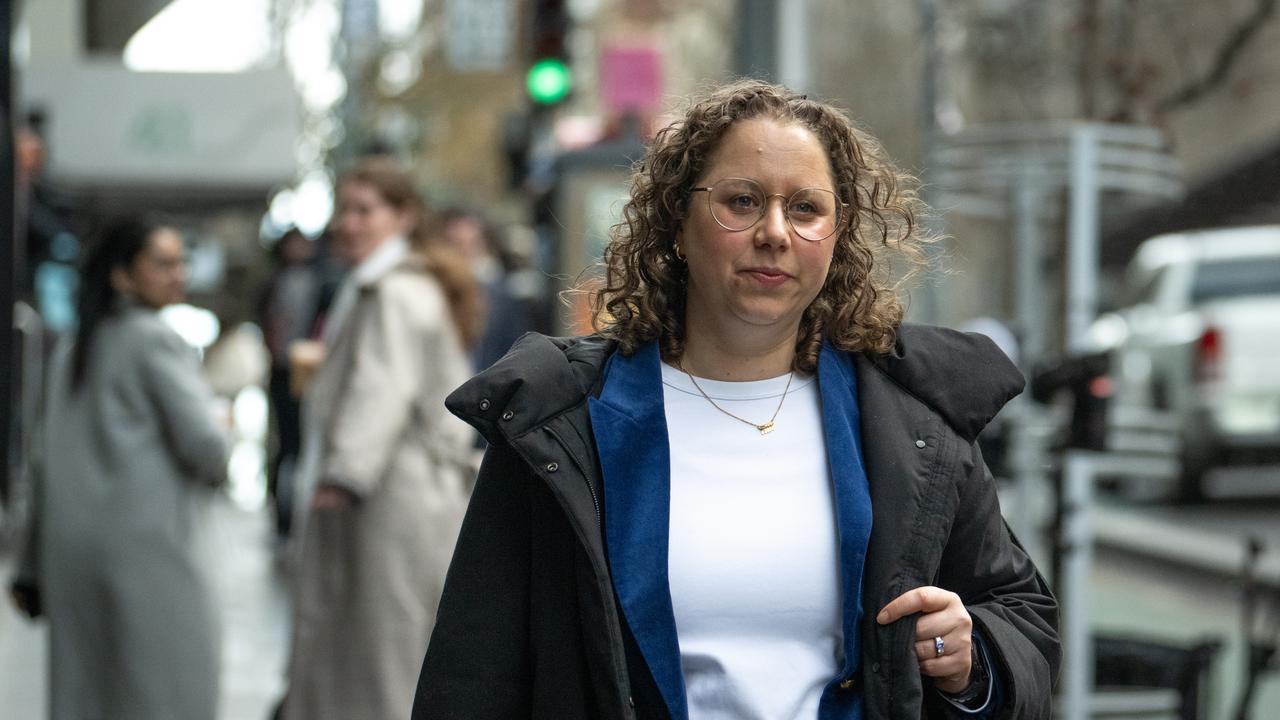
Jewish Community Council of Victoria chief executive Naomi Levin told the commission that Jewish protesters, including some in wheelchairs, were attacked when members of the other protest crashed the march outside Victoria’s parliament.
“It was the worst day we’ve ever experienced here in Victoria for anti-Semitic incidents,” Ms Levin said.
Police formed lines to separate the groups of protesters and arrested six people.
But there was a perception among the Jewish community police “didn’t step in and didn’t do what was needed to be done”, Ms Levin said.
That continued at later pro-Palestinian protests, where Jewish groups were directed by police to leave the area before the rally came through, the inquiry heard.
“The police engagement was not sufficient to create a sense of safety,” Ms Levin said.
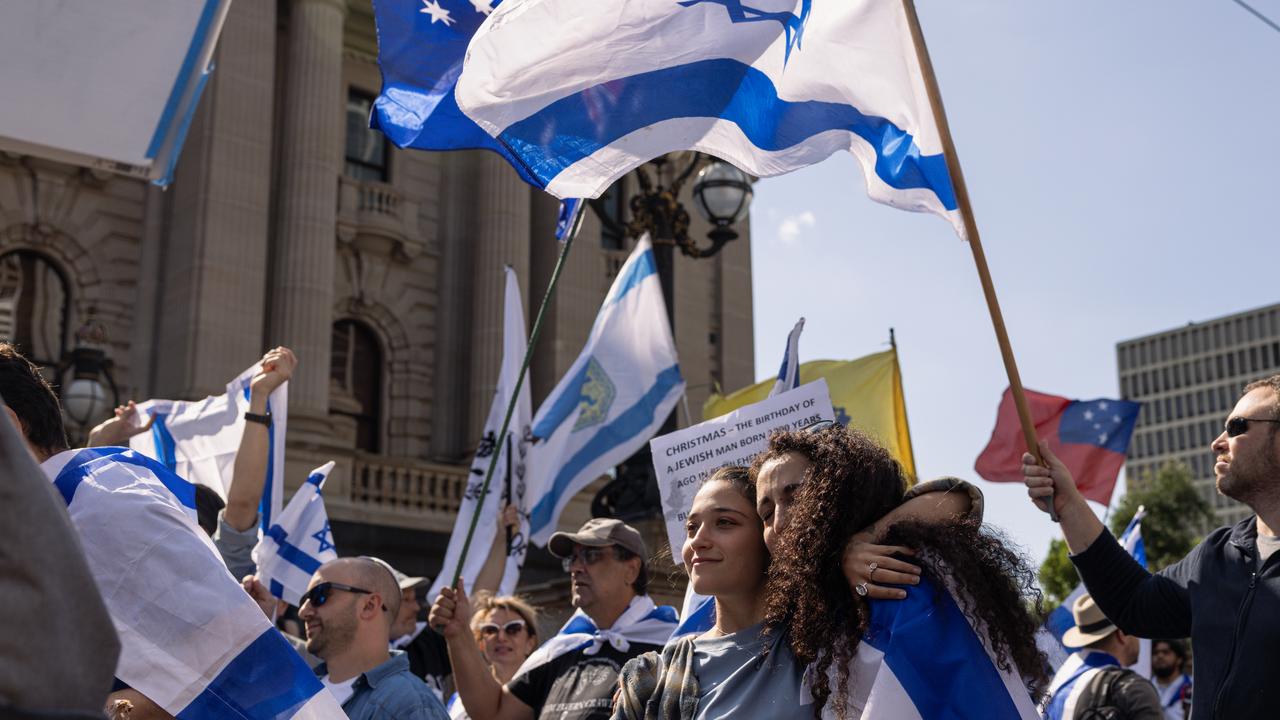
The progressive Jewish Council of Australia previously criticised the “Never Again Is Now” rally for using fears about anti-Semitism to push a “pro-Israel Christian Zionist agenda”.
The royal commission was called after 15 people were killed and dozens more injured when two gunmen opened fire at a Hanukkah event at Sydney’s Bondi Beach on December 14.
The inquiry was told 80 per cent of Ms Levin’s role was taken up by meetings and discussions surrounding anti-Semitism and security, a need that had increased dramatically since 2023, when Hamas attacked Israel triggering attacks in Gaza.
A community youth leader giving evidence on Wednesday said children were required to turn off location services on their devices and refrain from appearing outwardly Jewish on summer camps.
“It’s a security risk to have any Hebrew or any identifying symbols while we’re in public,” she said.
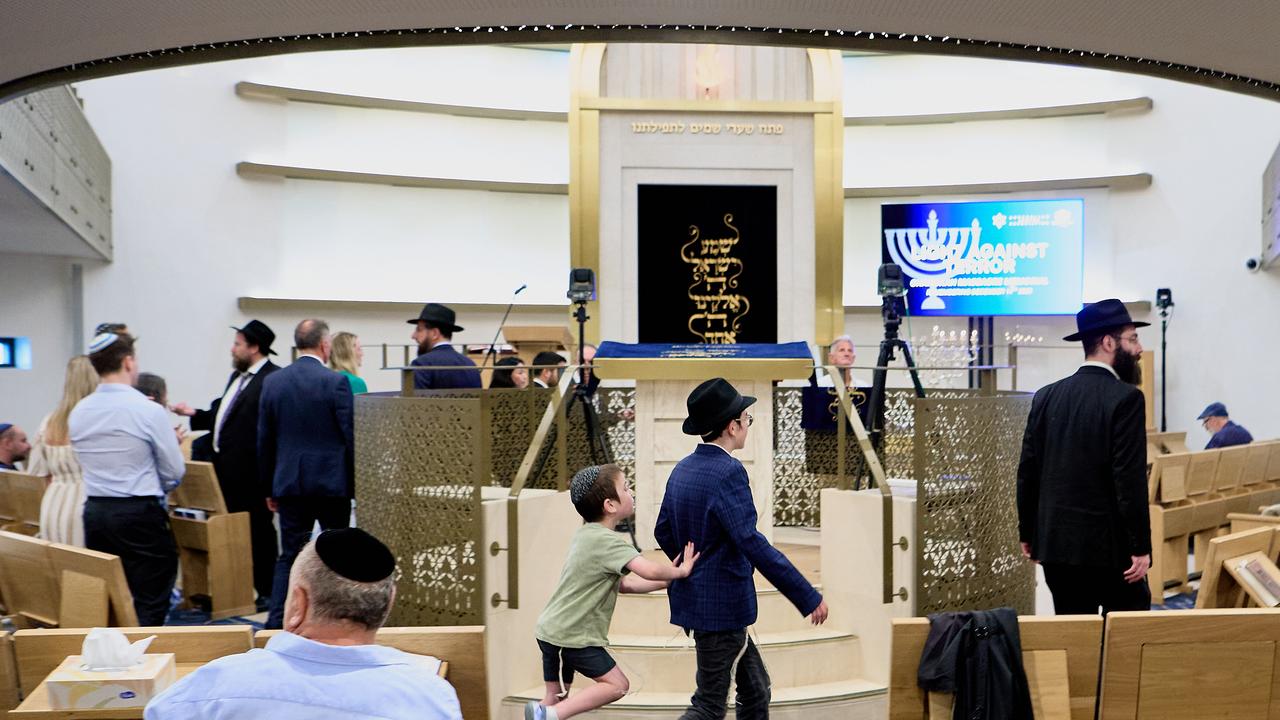
The woman, who gave evidence under a pseudonym, reported children as young as eight felt distressed on Jewish community camps after the attack.
“Many who usually would just be homesick were now crying because they were scared that someone was going to come and murder them in their sleep,” she said
Outside the royal commission, a man was spoken to by police after disrupting a silent pro-Palestine protest.
Sole activist David Watson’s free speech demonstration, in which “Free Palestine” posters depicting the war in Gaza lined the CBD building’s tile facade, was twice removed by individuals leaving the building.
Hearings continue in Melbourne on Thursday.
AAP