Family rejects coroner’s newborn death finding
Rex Martinich |
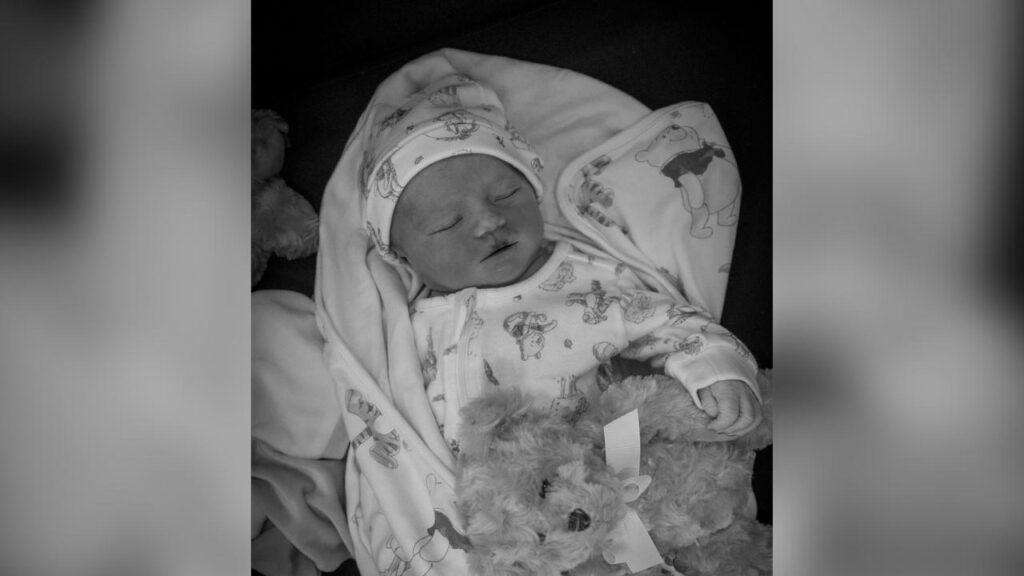
A family whose daughter died hours after her birth from an undiagnosed heart defect has rejected a coroner’s finding that the baby’s death was not preventable.
Thea Flaskett died on the morning of September 11, 2023, a little more than four hours after she was born at a Queensland hospital.
Her inquest was told the newborn suffered from a congenital defect called transposition of the great arteries, which affects blood flow through the heart.
Thea’s mother Meg Flaskett had a routine morphology scan at 20 weeks of her pregnancy in May 2023 that did not detect the heart defect.
“The weight of the evidence supports a finding that Thea’s death was not preventable, her transposition of the great arteries not having been detected (before birth),” Queensland Deputy State Coroner Stephanie Gallagher said in her findings on Tuesday.
Thea’s type of heart defect was “not uncommon” to be missed during pregnancy regardless of the quality of the scans, Ms Gallagher found.
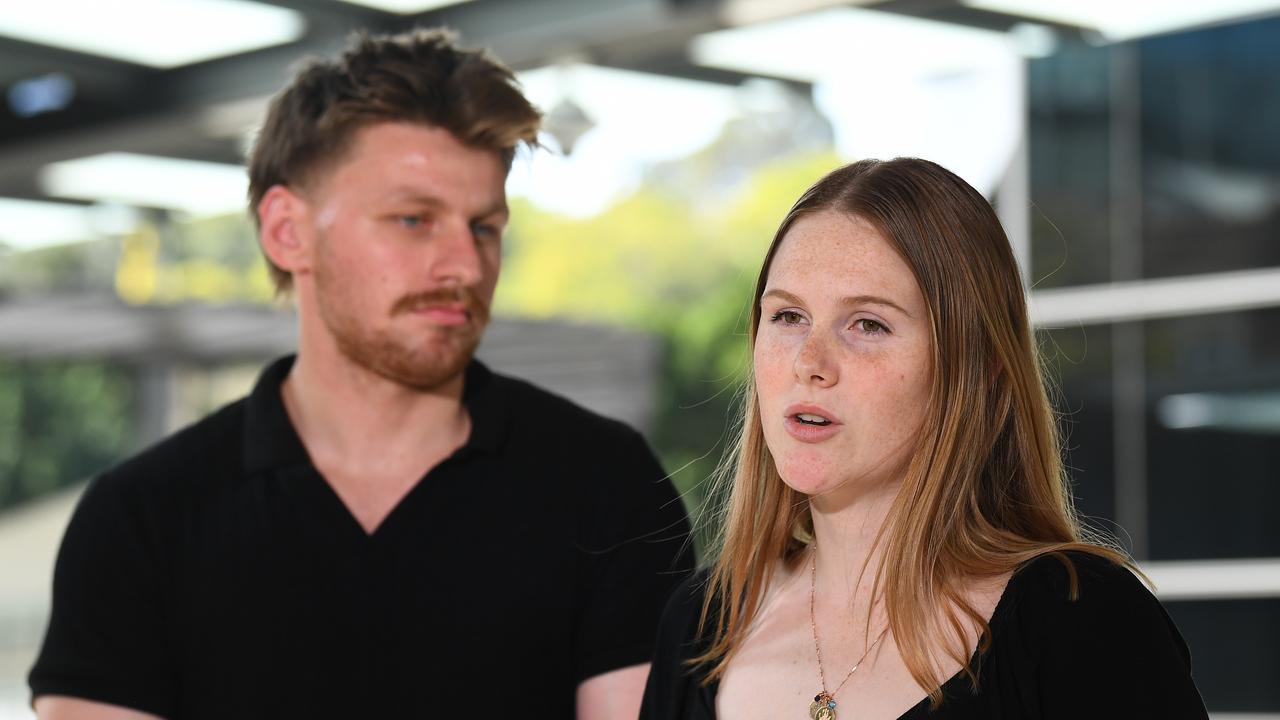
Thea’s parents Meg and James Flaskett had fought for an inquest into their daughter’s death, which held hearings in Brisbane in 2025.
Ms Flaskett said the family was “devastated but not surprised by the outcome” in a statement that criticised the inquest’s findings.
“Had Thea’s condition been diagnosed before birth, her labour, delivery and immediate management would have been fundamentally different,” she said.
She disputed that Thea’s heart defect was the only major contributor to her death at Redcliffe Hospital, north of Brisbane.
“Although these findings bring the coronial process to an end, they do not bring us peace, nor do they answer the questions that have driven us for almost three years,” she said.
Queensland Health supervising sonographer Craig John Collins testified during the inquest he performed about 150 ultrasounds per year and had only once discovered a case of transposition from a scan.
“Ideally, Thea’s (heart defect) would have been suspected during Mrs Flaskett’s morphology scan and gone on to be diagnosed by a materno-fetal medicine specialist or paediatric cardiologist soon thereafter,” Ms Gallagher said in her findings.
Royal Brisbane and Women’s Hospital senior staff neonatologist Pieter Koorts testified that Thea’s survival was “not assured” if her heart defect had been detected and she was born at a major city hospital and received immediate surgery.
Ms Gallagher said Redcliffe hospital staff did everything they could with the resources they had.
“Despite resuscitating Thea to a high standard, her outcome was determined by her underlying congenital cardiac abnormality – not the standard of her post-delivery care,” Ms Gallagher said.
Ms Gallagher recommended Metro North Health consider adopting bedside live-streaming services and neonatal retrieval processes used in NSW.
AAP