Minister ‘bias’ in major gas project extension approval
William Ton and Duncan Murray |
The federal environment minister has been accused of going over and above to allay an energy giant’s concerns about conditions before extending its controversial gas project.
Landmark hearings began on Tuesday for the Australian Conservation Foundation and Friends of Australian Rock Art’s Federal Court challenge to Environment Minister Murray Watt’s decision to grant a 40-year extension of Woodside’s North West Shelf gas hub.
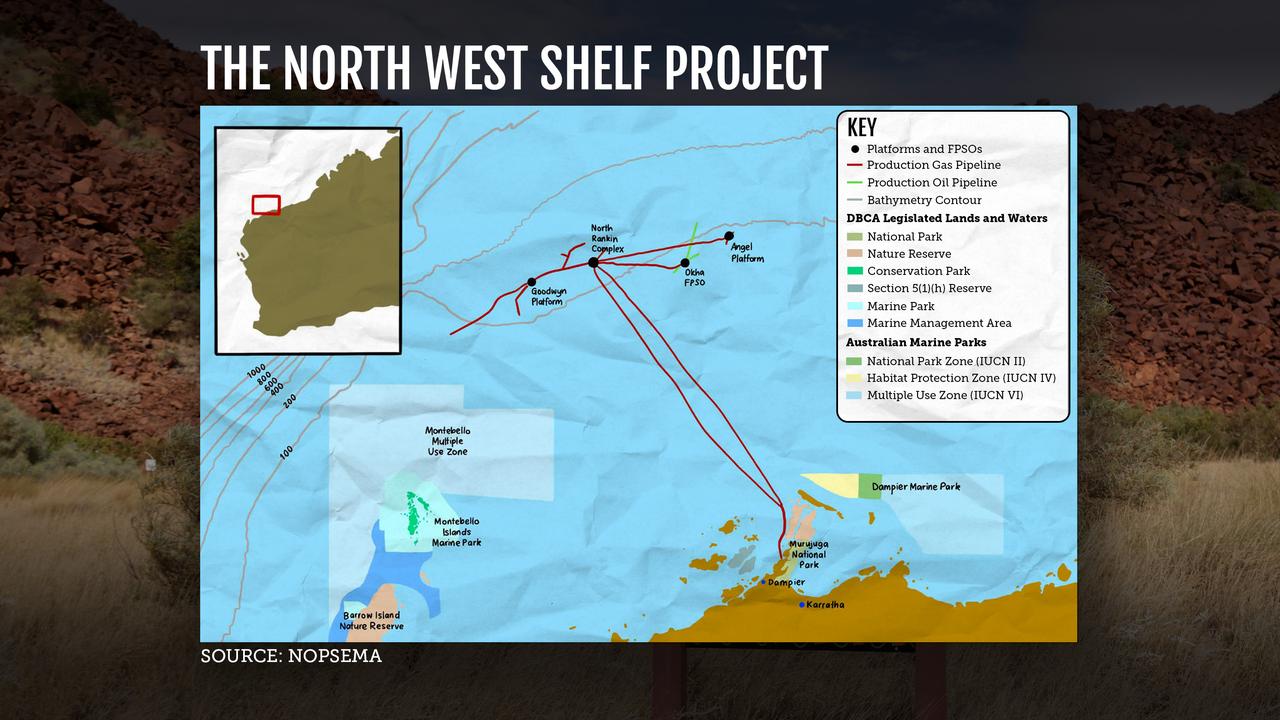
The development in Western Australia’s Pilbara region is one of the largest liquefied natural gas projects in the world, with more than $34 billion spent since it opened in the 1980s.
The groups argue Senator Watt signed off on the 2070 extension without knowing the project details and the pollution it will cause and failed to consider the physical effects of climate change.
They also claim he wrongly considered the economic benefits of the Browse gas project – a separate, unapproved Woodside proposal to develop a gas field off the Kimberley coast.
Discussions between the environment department and Senator Watt with Woodside went above what was required, with the energy giant given an “extensive opportunity” to comment on proposed conditions for the extension while public comment was not invited, the foundation’s lawyer Angus Scott KC told the court.
“The department and minister were concerned with ensuring any conditions attached to the approval were satisfactory to Woodside,” Mr Scott said.
“If what was being done was affording procedural fairness, then the provision would be strictly adhered to. What’s been done in this case goes well beyond that.”
The lawyer said Senator Watt was specifically briefed on meetings between his department and Woodside, arguing “apprehended bias” could be imputed onto the minister through departmental briefing notes.
“The interactions between the department and Woodside in the lead up to the approval were such that the minister might be partial to the interests of Woodside in deciding whether or not to approve,” he said.
He said the minister was reliant on the briefings and any impartiality could affect the integrity of the decision-making process.
The approval process more closely resembled a “negotiation on what might be acceptable to Woodside” than arm’s length decision-making, Mr Scott said.
The group also argued that since Woodside’s other gas projects haven’t been approved, it would be inappropriate for the minister to pre-empt the outcome of those to weigh the economic benefits.
In a submission to the court, lawyers for the minister argued the grounds on which the groups were challenging the decision were invalid and should be dismissed.
Woodside submitted that the approval followed a comprehensive and extended assessment carried out by both federal and state regulators, in accordance with statutory processes.
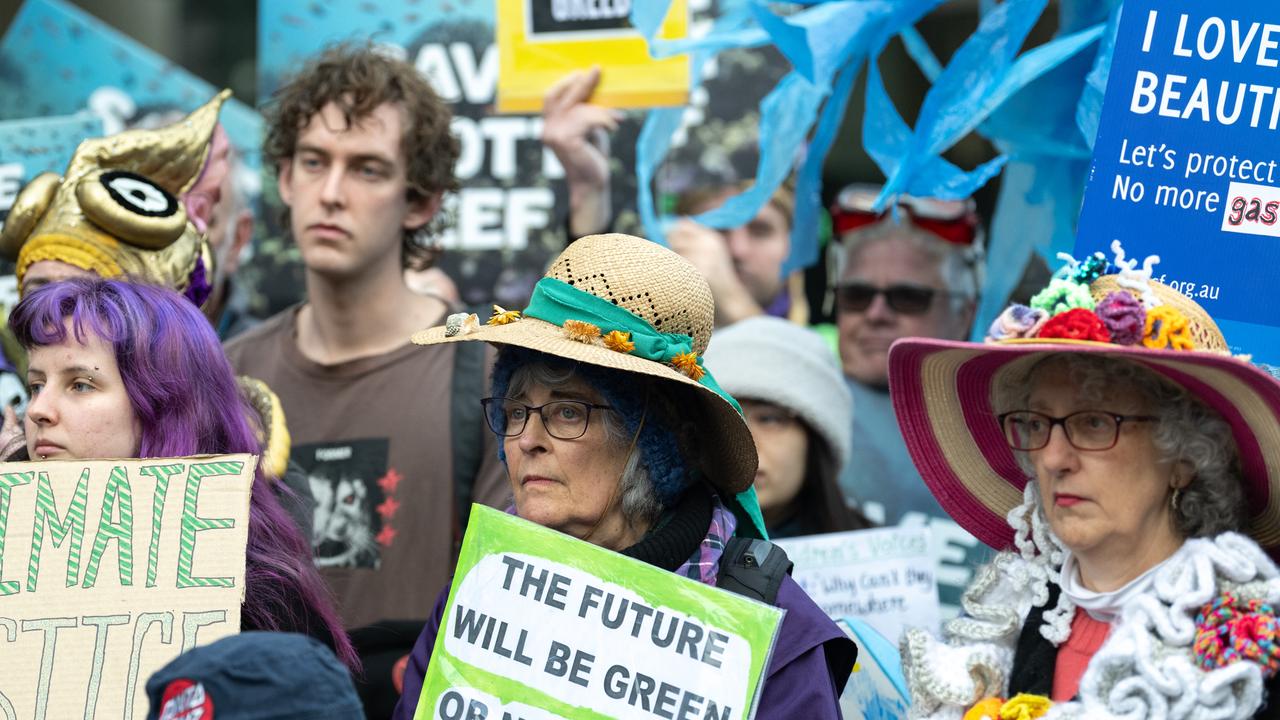
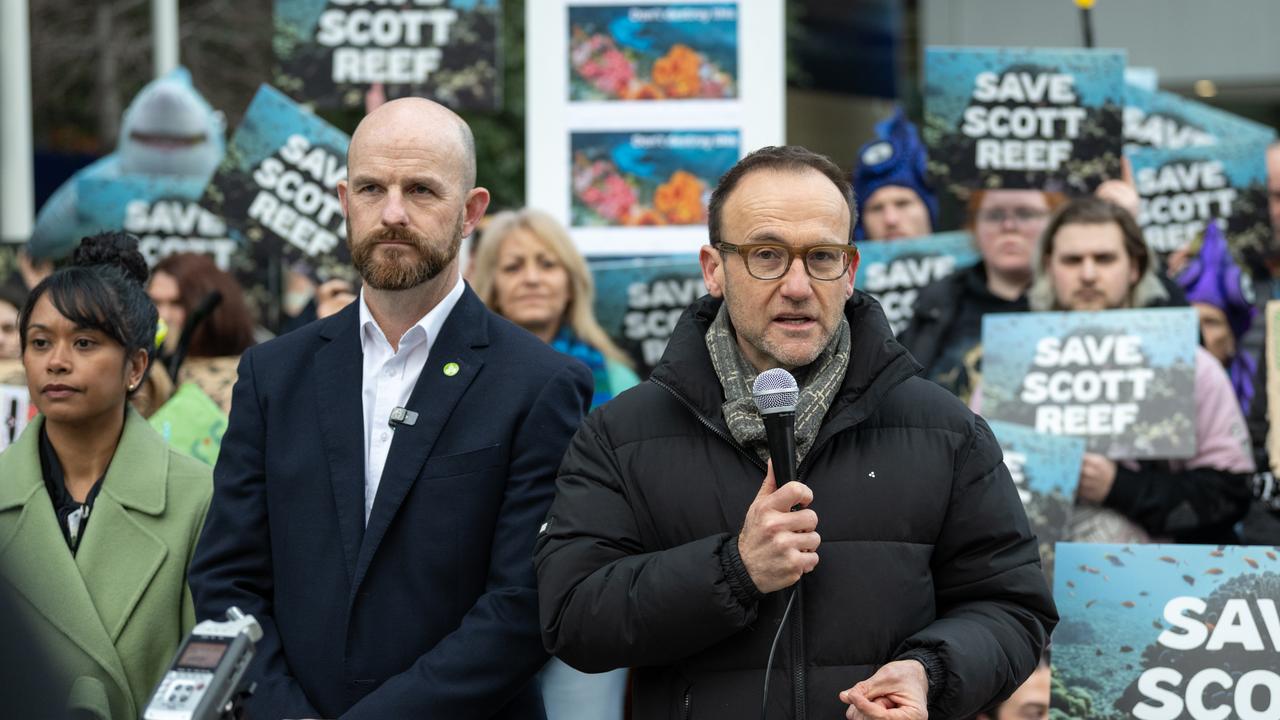
Dozens of environmental activists gathered outside the court on Tuesday morning – some dressed as coral reefs and marine species, others in wetsuits and snorkels – to drum up support for the legal challenge.
Decisions made now are going to have ramifications for generations, Australian Conservation Foundation chief executive Adam Bandt said.
The group’s general counsel Adam Beeson said the Northwest Shelf project alone will unleash an estimated four billion tonnes of pollution – roughly 10 times Australia’s total annual emissions.
Friends of Australian Rock Art said its challenge was on top of its ongoing WA Supreme Court action against the project’s state approval.
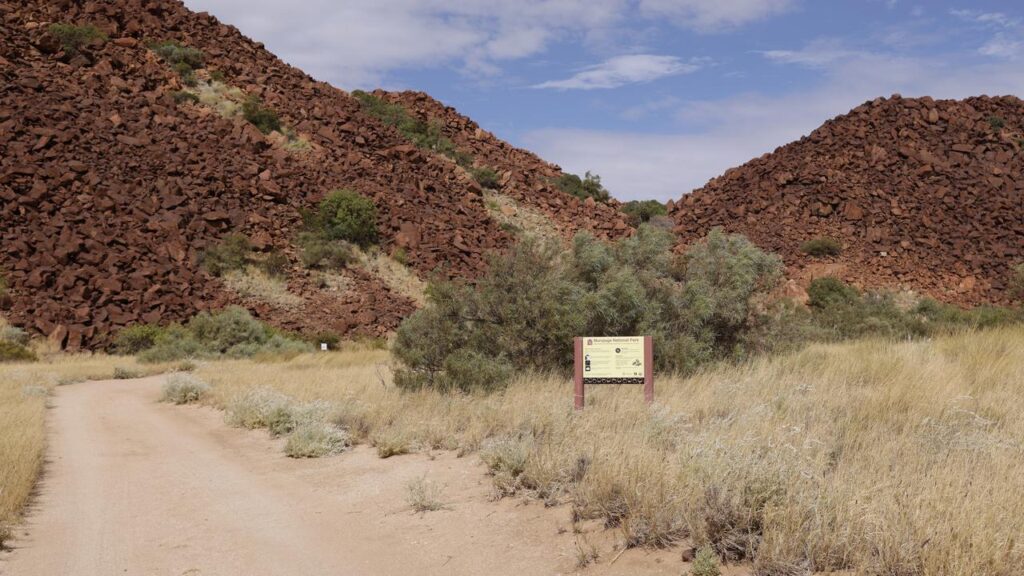
They said the federal minister failed to take into account the economic and social harms resulting from damage to the heritage of the Murujuga people.
The North West Shelf project extension was referred to the federal regulator in November 2018 and was under assessment for nearly seven years, Woodside has said.
AAP