Burnt, buried, dumped: call to mandate tyre recycling
Jennifer Dudley-Nicholson |
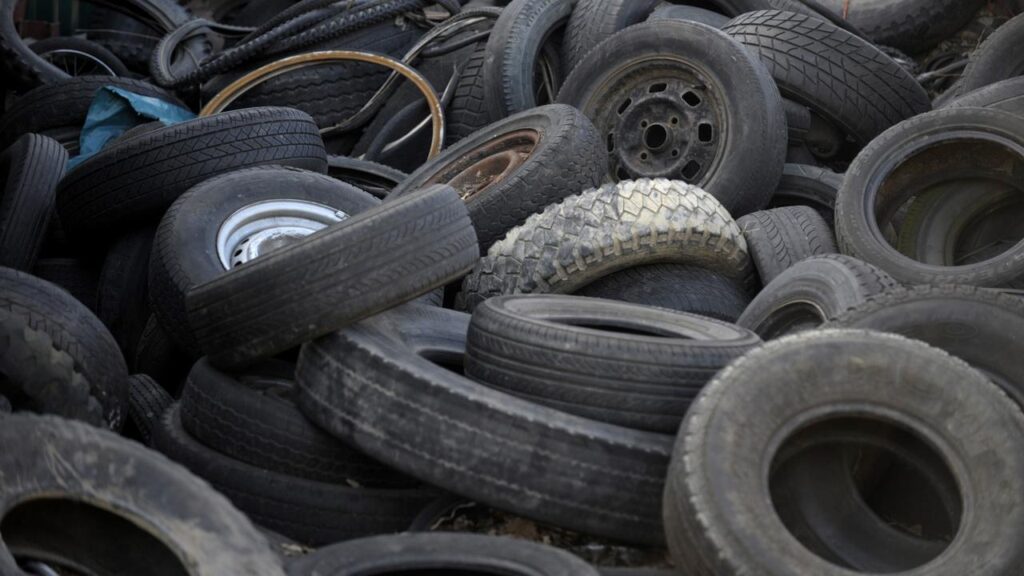
Almost three in four used tyres are being shredded and burnt overseas for fuel rather than recycled or reused due to inadequate regulations.
Rogue importers, unaccredited collectors, and firms burying tyres were also causing major issues within the industry and preventing Australian companies from turning waste into profit, an inquiry has been told.
Representatives from automotive groups, tyre companies and universities issued the warnings on Wednesday at a parliamentary inquiry, where most called for strict rules to address Australia’s growing tyre problem.
The inquiry, launched in November, has been tasked with investigating environment, community and health concerns around tyre disposal, and identifying opportunities for sustainable reuse.
Existing tyre industry rules were no longer working as designed, Motor Trades Association of NSW government relations head Collin Jennings said, and needed to be replaced by a mandatory scheme that would capture all parties.
“The Australian tyre industry is at a crossroads,” he said.
“The hard truth is that the current voluntary product stewardship model has reached its limits of effectiveness. It is no longer fit for purpose.”
Seven out of every 10 used tyres were being shredded and burnt to create low-value fuel overseas, Mr Jennings said, when they could be retread and reused in Australia or turned into crumb rubber for use in roads.
Some manufacturers were not participating in the industry’s Tyre Product Stewardship Scheme, he said, which disadvantaged those that did.
“There now exists a severely disordered market where responsible businesses effectively subsidise free riders who refuse to pay the voluntary scheme levy,” he said.
“Rogue unaccredited collectors routinely undercut legitimate operators, leading directly to the widespread stockpiling and toxic fire hazards of illegally dumped tyres in our local regional fields, waterways and industrial blocks.”
Off-the-road tyres were also routinely being buried on mine sites, Bridgestone Mining Solutions Australia solution development executive manager Paul Comninos said, and the practice was likely to continue while state governments allowed it.
“It’s around five to 15 per cent of the cost of recycling the tyre, which is a major factor,” he said.
“The recycling will just happen if it becomes close to commercially equal to burying on site.”
Organisations including the Australian Tyre Industry Council and NBR Tyres also supported the introduction of a mandatory national tyre-recycling scheme.
Bitumen Solutions director Azeem Remtulla said a program could prescribe the use of recycled rubber in roads.
Five million tyres were used each year in road-surfacing applications in Australia, he said, but the industry could boost this figure to 12 million if regulations demanded it.
“Australia has a rare opportunity to become an international leader in the high-value use of tyre-derived materials,” he said.
AAP