Zoning scorecard reveals most housing-friendly city
Ethan James |
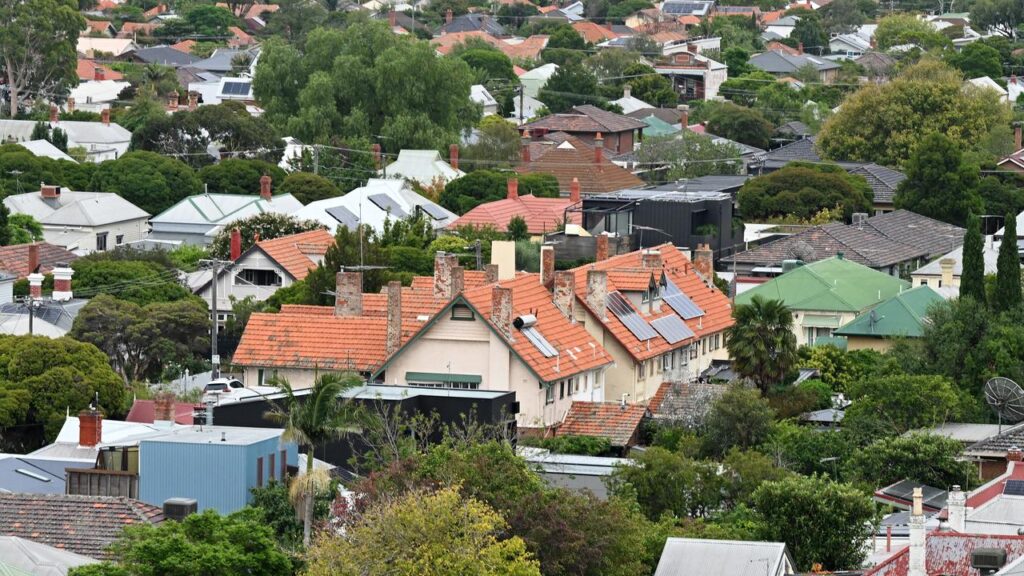
Millions of new homes could be built in Australia’s capital cities if “restrictive” zoning laws are loosened, a landmark planning analysis claims.
An online atlas of nationwide zoning laws has been compiled by YIMBY Melbourne, an organisation that campaigns for more house construction.
It declared 76 per cent of residential land within 20km of the centre of capital cities was restricted.
YIMBY defined restricted as zoning that caps builds at two storeys, areas with heritage controls, explicit low-density zoning or a detached-house mandate.
Hobart, at 97 per cent restricted, was at the top-end of capitals, while Melbourne (45 per cent) was the least restricted.
“There is a lot of work to be done to solve our nation’s housing crisis,” atlas co-author Jonathan O’Brien said.
“The first step is to make it legal to build the housing that we need. That clearly hasn’t been happening.”
According to analysis from the Grattan Institute, Australia’s housing stock is growing more slowly than its adult population for the first time in decades.
The federal government has signed an accord with states and territories to build 1.2 million new homes in five years from mid-2024 and change planning, zoning and land release systems.
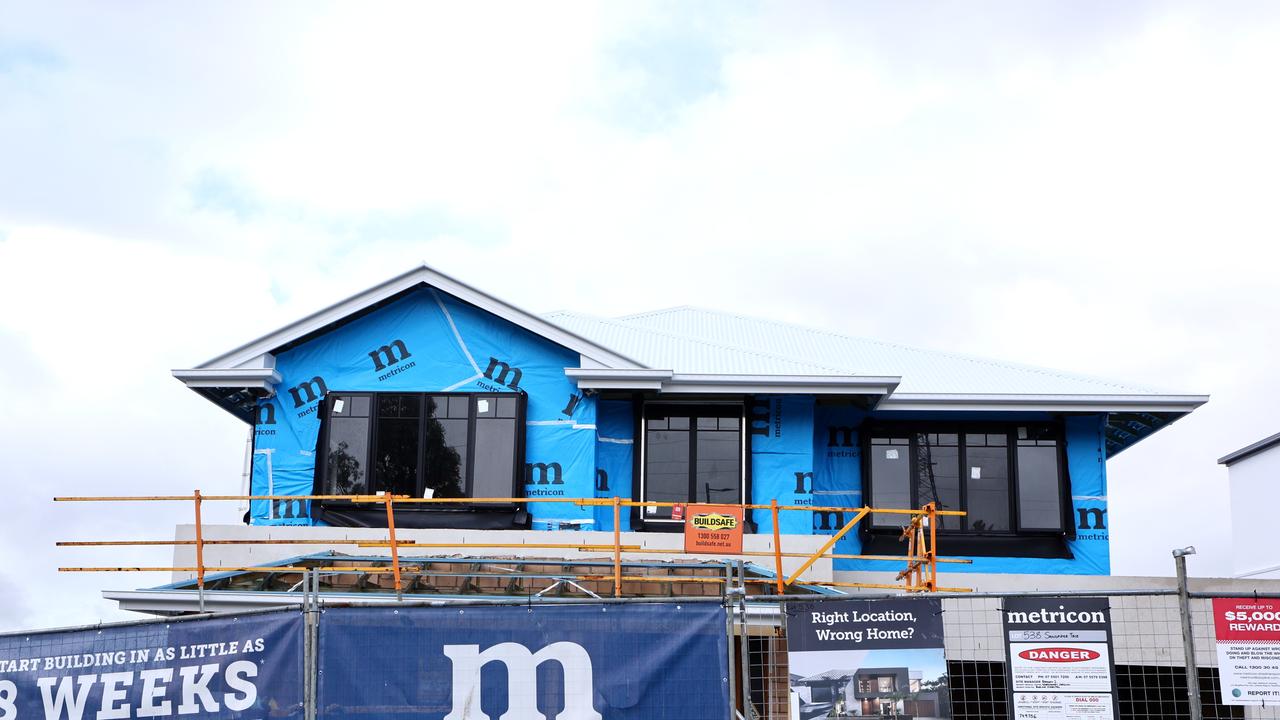
Melbourne housing and zoning reforms beginning in 2017 had allowed more homes to be built, ensuring property prices weren’t rising as quickly as in other capitals, Mr O’Brien said.
YIMBY estimates roughly nine million additional homes could be accommodated in capital cities if three-storey townhouses were allowed across residential land.
There’s a two-storey height cap across 74 per cent of land covered in the atlas.
The federal government should consider a national density floor and take some decision-making away from governments at lower levels, Mr O’Brien said.
“It is the interests of incumbents, the people already lucky enough to live in the best areas of our country … to pull the ladder up behind them and block anything else being built,” he said.
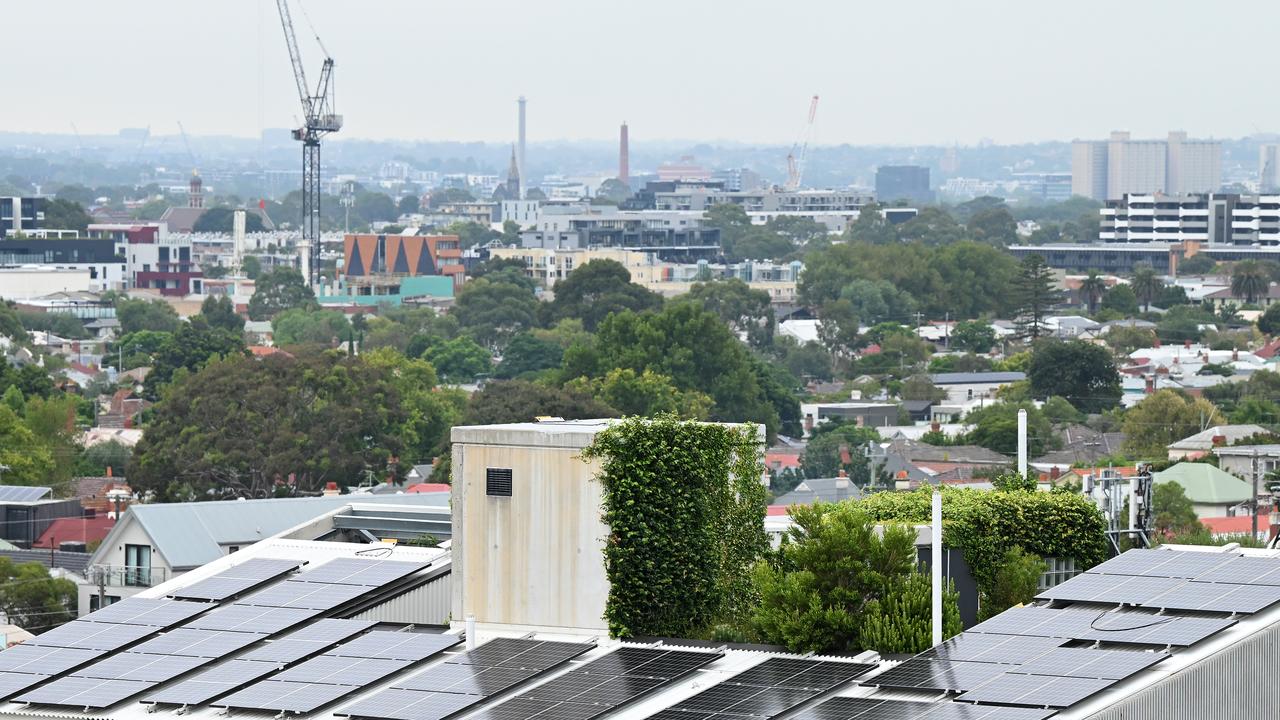
Western Australia is proposing updating its residential design code to enable more subdivision, while Tasmania’s government wants laws to make it easier to get loans for modular homes.
About seven per cent of the residential land included in the atlas is covered by heritage controls.
“It’s a trade off. We can freeze our cities in amber but it’s very difficult for a lot of people to live in a museum,” Mr O’Brien said.
“You can keep iconic buildings and simultaneously build new buildings next to them or around them or down the street.”
RESTRICTED LAND PER CAPITAL CITY
* Hobart (97 per cent), Adelaide (92), Darwin (88), Perth (87), Brisbane (86), Sydney (81), Canberra (74), Melbourne (45).
AAP