Freefall: home prices notch biggest drop in years
Jacob Shteyman and Andrew Brown |
Home prices have recorded the biggest monthly fall in almost four years as tax changes accelerate Australia’s housing downturn.
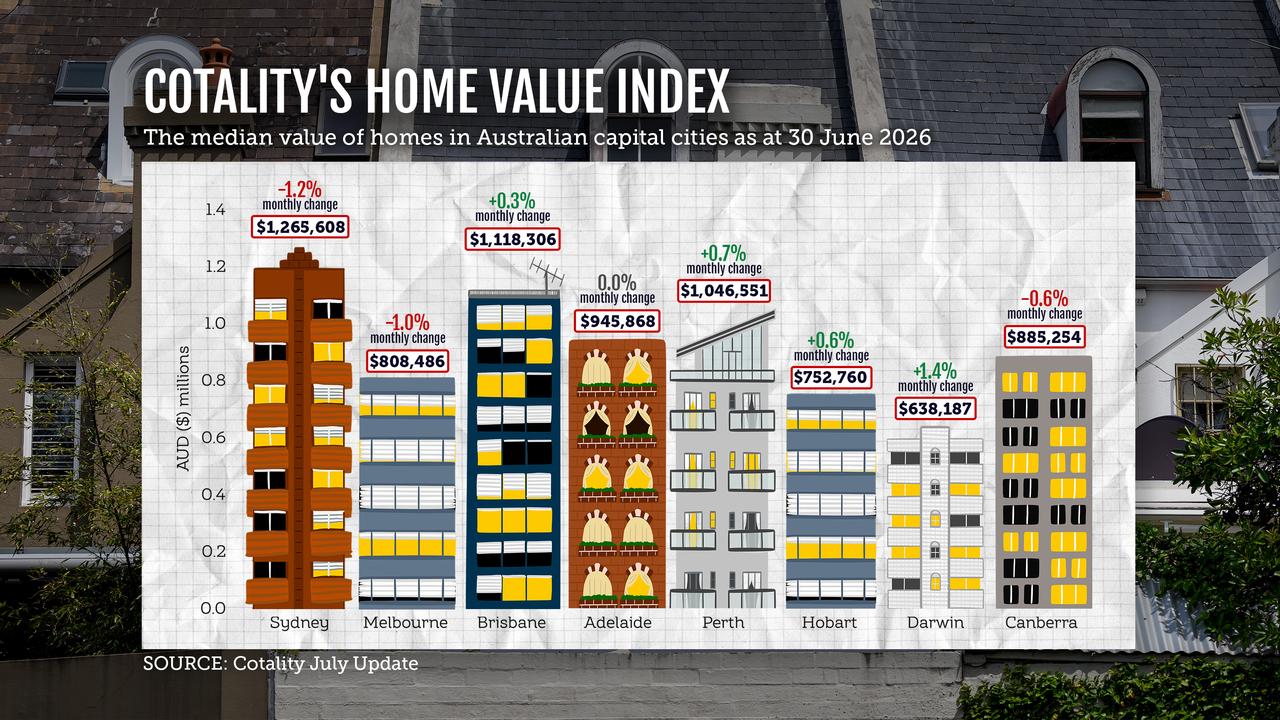
Sydney’s median home price fell 1.2 per cent to $1,265,608 in June, leading a nationwide decline of 0.4 per cent, data from property firm Cotality shows.
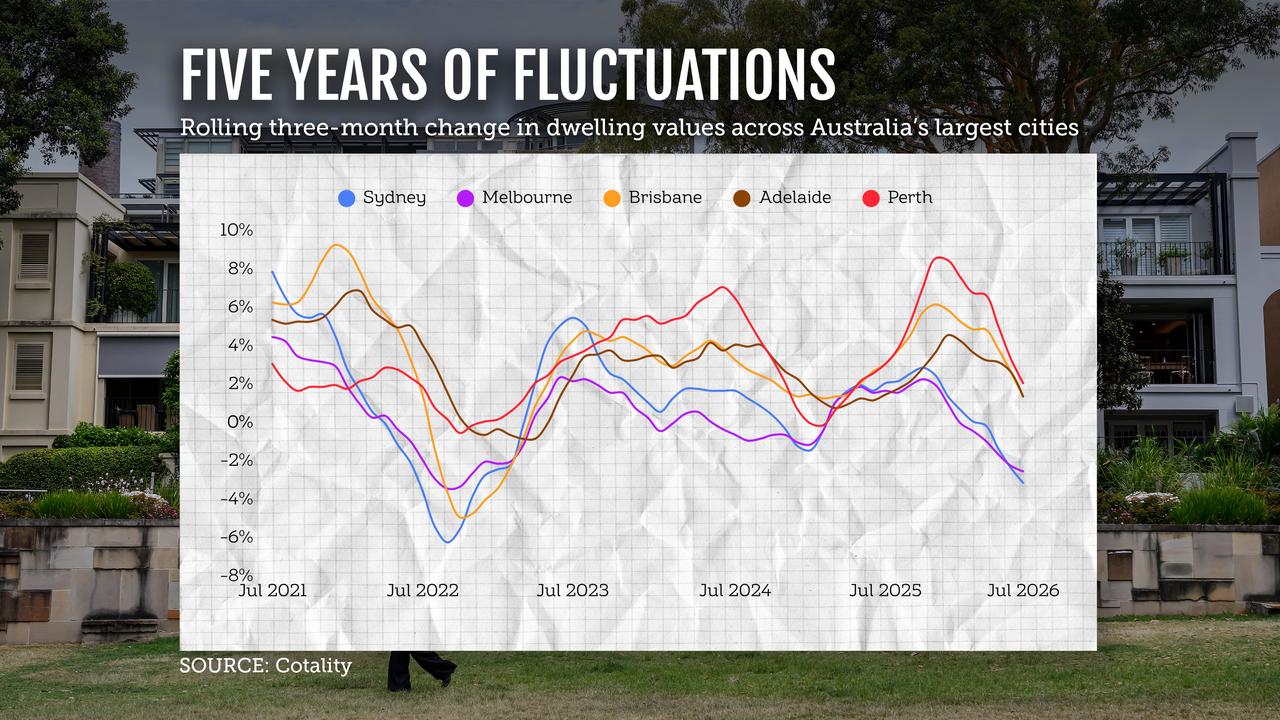
It was the largest month-on-month fall in national dwelling values since December 2022.
The market was undergoing a broad-based weakening, Cotality research director Tim Lawless said.
Three interest rate rises and strong affordability pressures were already constraining demand before the federal budget.
Labor’s changes to capital gains tax and negative gearing concessions further impacted investor confidence, Mr Lawless said.
“Speaking to people on the ground, some more anecdotal evidence does suggest there’s been a pretty sharp pullback in investment activity already,” he told AAP.
“But I’m not hearing much about first home buyers becoming more active at a time when affordability is improving and buying conditions are improving.
“Confidence is just too low.”
Prime Minister Anthony Albanese stood by Treasury modelling that showed home values would still increase over the long term but at a slower rate, even as some economists forecasted a downturn of as much as 10 per cent.
“The great news is that this Saturday, like last Saturday, first home buyers would have rocked up to auctions and not be competing with investors who want to negatively gear their properties and have taxpayers backing in those investments,” he told ABC TV.
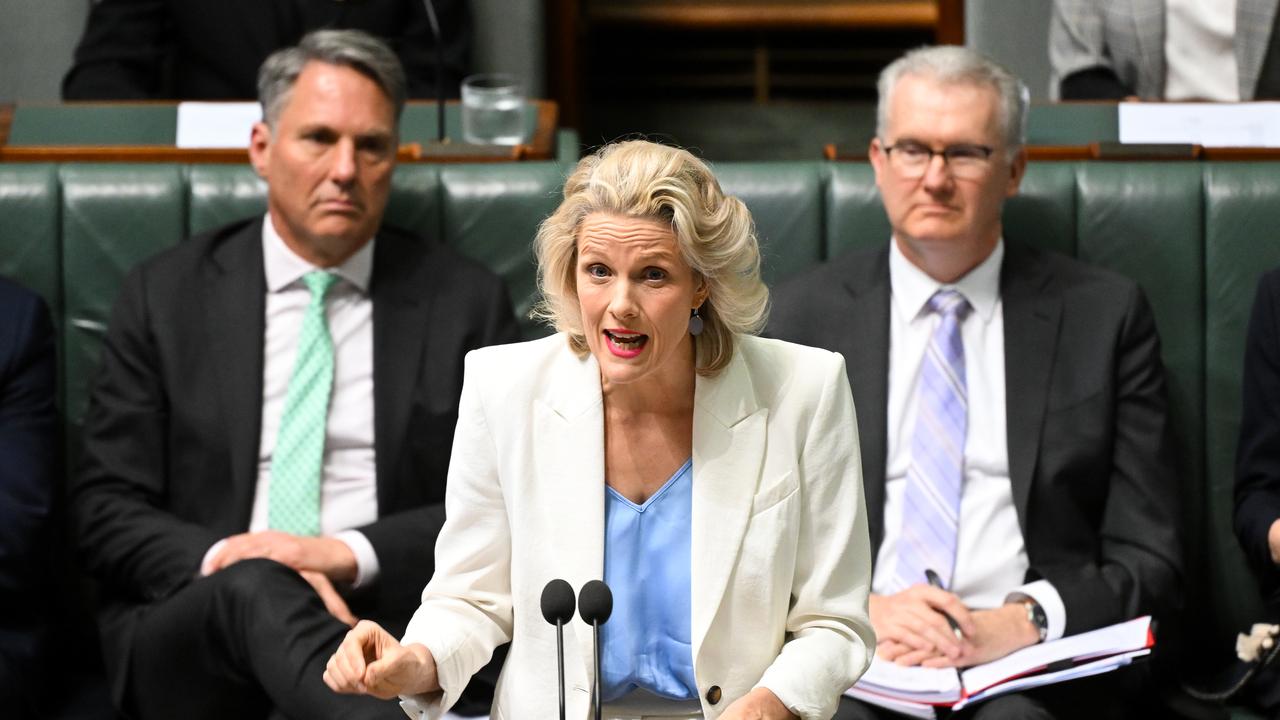
Housing Minister Clare O’Neil said interest rates were the main factor driving prices.
“This is a cyclical market,” she told Seven’s Sunrise program.
Mr Lawless said it was too early to tell whether the changes were simply compounding a cyclical downturn or represented an inflection point in the housing market long-term.
Pullbacks in home prices and transactions have so far been more modest than some previous cycles.
Sydney home values are down 3.6 per cent from their peak.
In 2022, following the Reserve Bank’s rapid-fire post-pandemic rate hikes, they were down about 8.5 per cent at the same stage of the downturn, Mr Lawless said.
The tax changes would likely result in less aggregate demand in the market and less upward pressure on prices, he said.
“But whether or not this is an end to what people are describing as a super cycle, I simply don’t know,” Mr Lawless said.
Melbourne dwelling prices fell one per cent over the month, while Adelaide prices were flat for the first time since early 2025.
The pace of growth in the other mid-sized capitals was significantly slower, but Brisbane still grew 0.3 per cent and Perth was up 0.7 per cent.
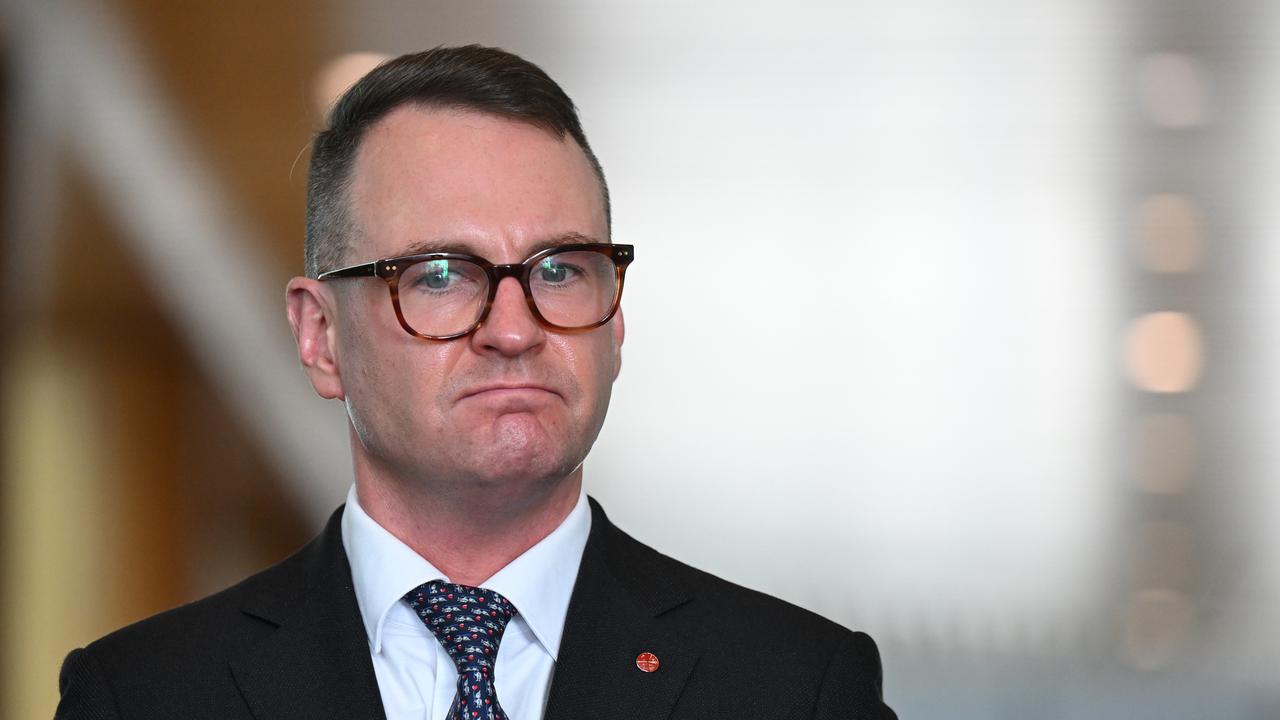
Opposition housing spokesman Andrew Bragg said Labor had failed to fix the fundamentals of the market and the tax changes would exacerbate a supply shortfall.
“I’ve said before that I think that house prices are too high for young people,” he said.
A YouGov poll, published by Sky News on Wednesday, found 49 per cent of voters wanted house prices to fall, while 26 per cent wanted them to stay the same and 17 per cent wanted them to rise.
The downturn has a long way to run to make housing affordable again, with prices still about 60 per cent higher than at the start of the pandemic.
Dwelling approvals fell 1.1 per cent in May to 17,019 homes, according to Australian Bureau of Statistics figures, short of the 20,000 new homes needed each month to meet the government’s target of 1.2 million homes over five years.
AAP