Internet dark corners led teen on path to terror trial
Rex Martinich |
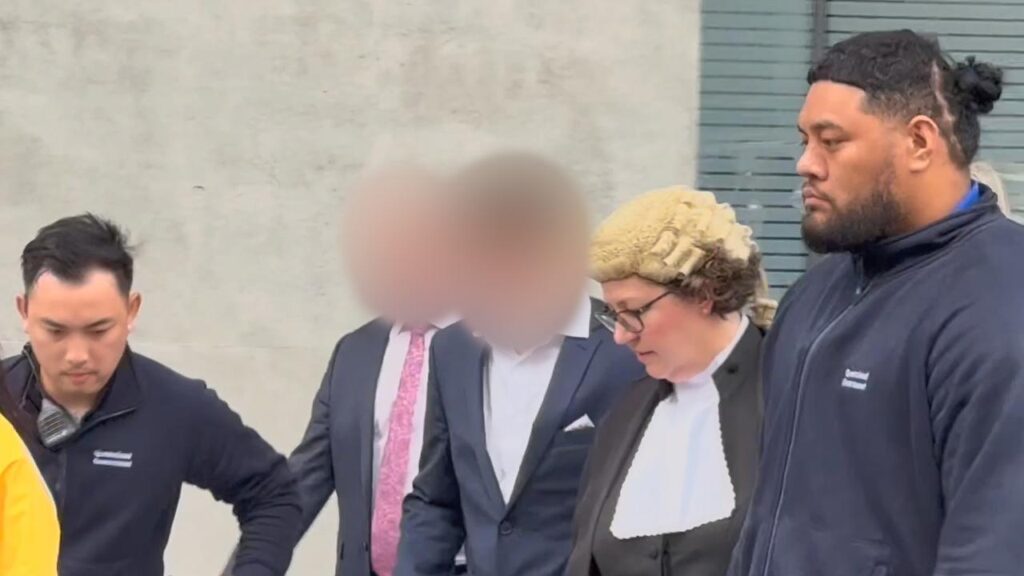
The teenager before the waiting jury accused of planning mass murder appeared so clean-cut and wholesome, his defence barrister felt compelled to highlight it.
Sporting a blue suit and neat haircut, the boy sat awkwardly as he was secured behind unbreakable glass in the Brisbane Supreme Court.
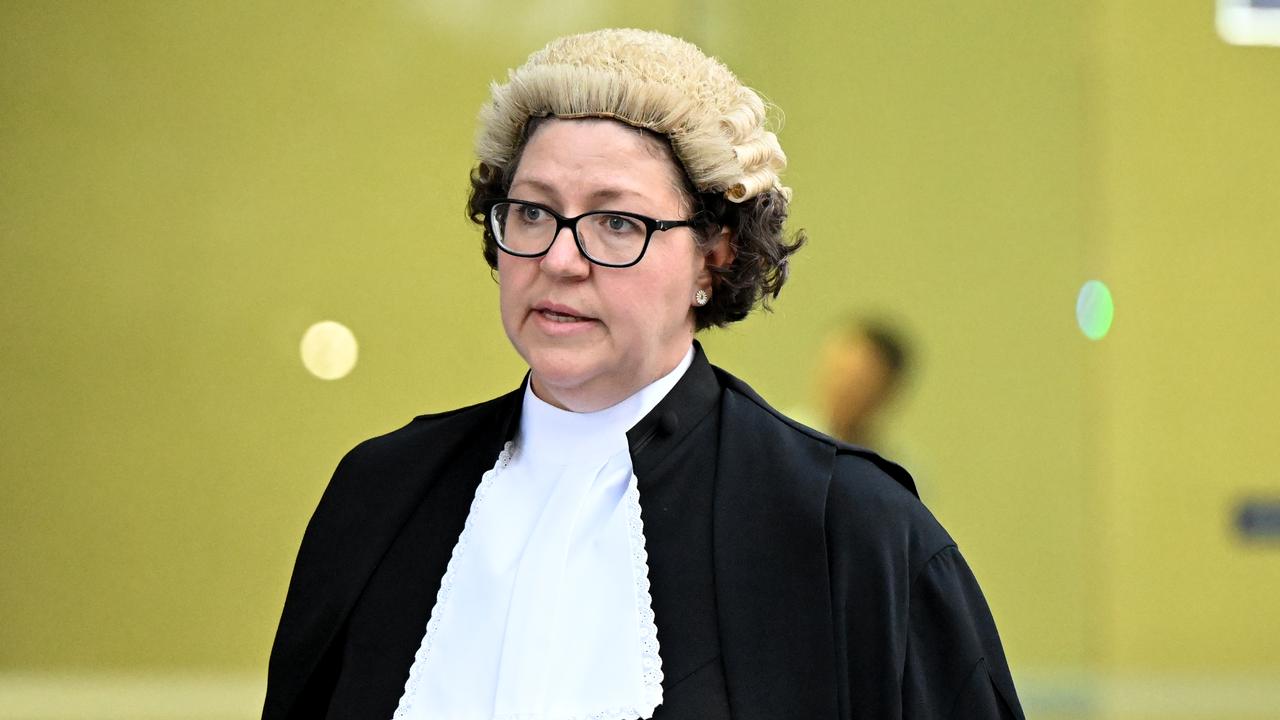
“When you walked in … you no doubt felt curious about what that young man in the dock in front of you was charged with,” Laura Reece told the assembled group.
The teen, who cannot be named for legal reasons, had pleaded not guilty to one count of acts done in preparation for, or planning of, a terrorist act.
He had embraced the internet’s dark corners and taken inspiration from notorious mass killers, the jurors would learn.
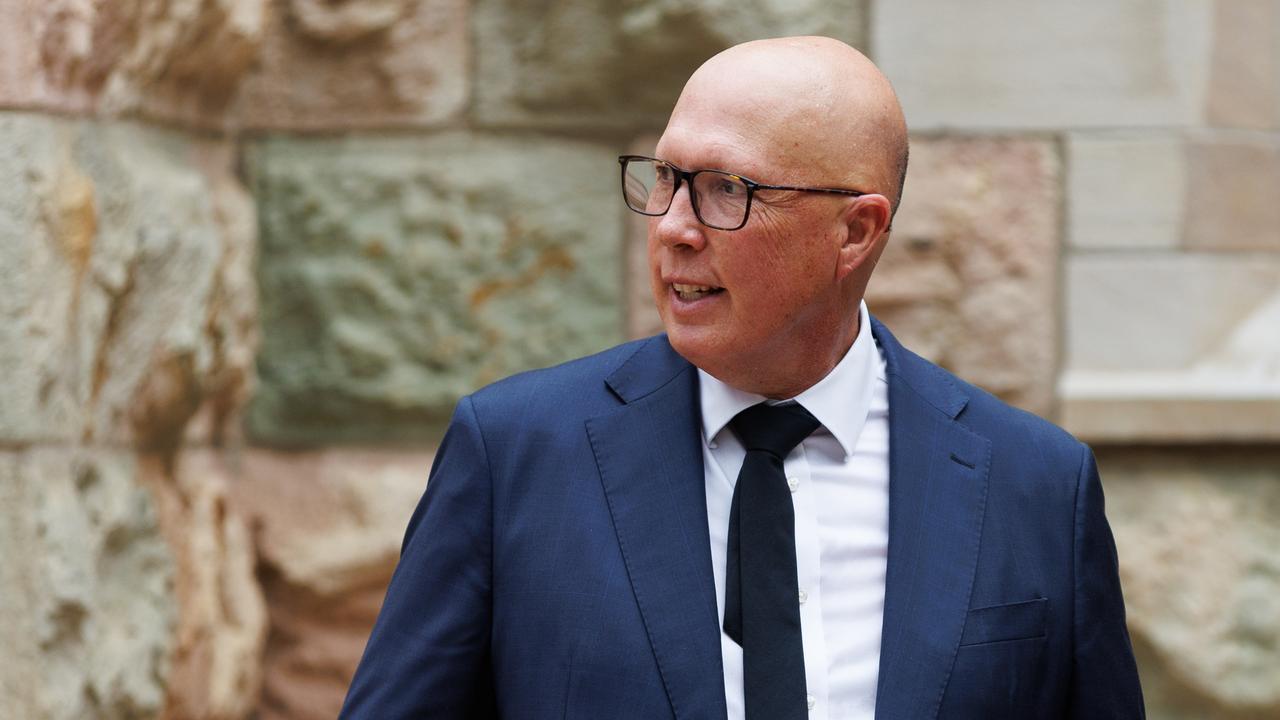
They soon heard the fresh-faced 17-year-old, who looked much younger, was accused of planning a deadly attack against the Liberal Party and then-opposition leader Peter Dutton.
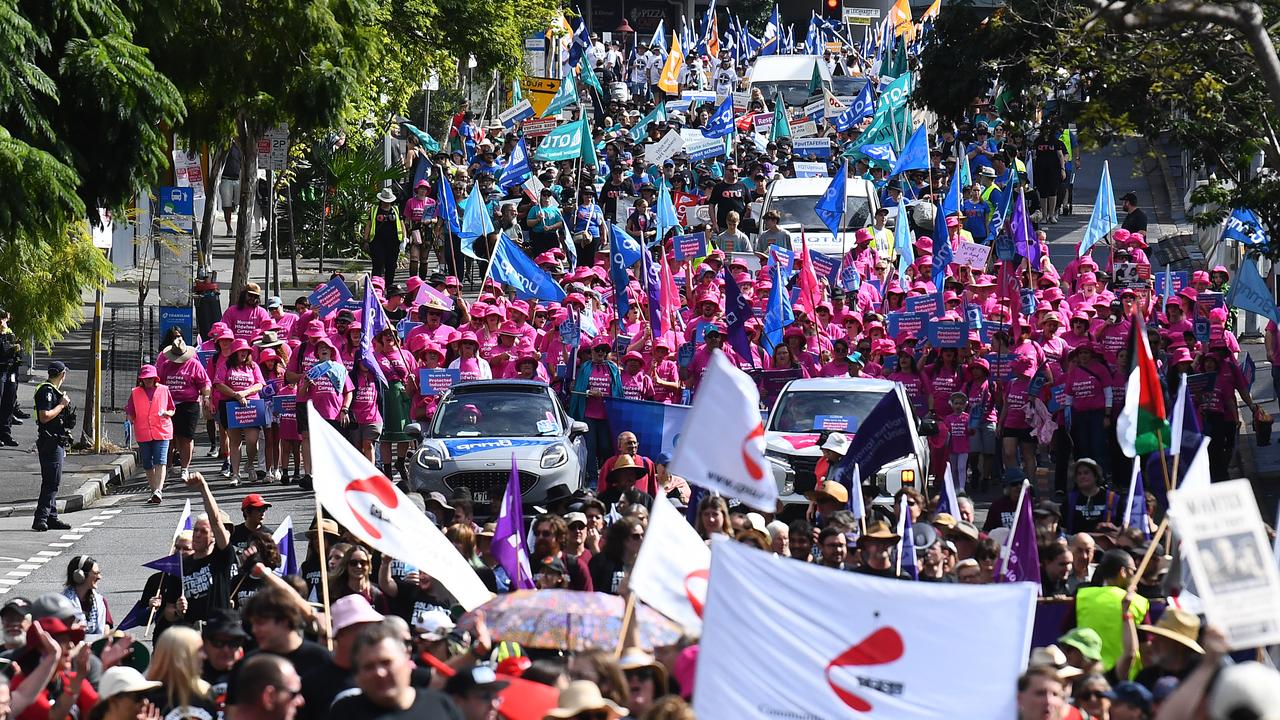
He had also sought to detonate a device during Brisbane’s Labour Day march, which typically attracts 20,000 people, crown prosecutor Sally Flynn said.
If found guilty, he faced years in detention, potentially in an adult prison.
The boy was about to turn 16 when he researched Mr Dutton’s location, the trial, which came to a head this week, was told.
He also downloaded bomb-making instructions and tested homemade explosives in the months leading up to his July 2024 arrest.
“We say the intention of those acts was in preparation of a terrorist act done with the intention of advancing an anti-technology, anti-capitalist ideology,” Ms Flynn said.
Among the common teenage male interests of video games and the film Fight Club, the boy was also obsessed with Ted Kaczynski, widely known as the Unabomber.
Kaczynski spent decades carrying out fatal bombings in the United States to promote his manifesto that “the Industrial Revolution and its consequences have been a disaster for the human race”, Ms Flynn said.
The teen wanted to build a pipe bomb after consulting field manuals from Al-Qa’ida and the US military, the jury heard.
“It would be better if I had nails as shrapnel,” the teen wrote.
He allegedly wanted to attack a public place to bring attention to Unabomber-style ideas and then targeted the Liberal Party after Mr Dutton announced a policy to build several nuclear reactors, Ms Flynn said.
“Who are you trying to kill?” the teen’s friend texted.
“Members of the Liberal Party,” he replied.
Asked why, he responded: “I do not want a nuclear power plant an hour from here.”
Anti-US government truck bomber Timothy McVeigh and Port Arthur massacre gunman Martin Bryant also caught the teen’s eye, according to his web searches.
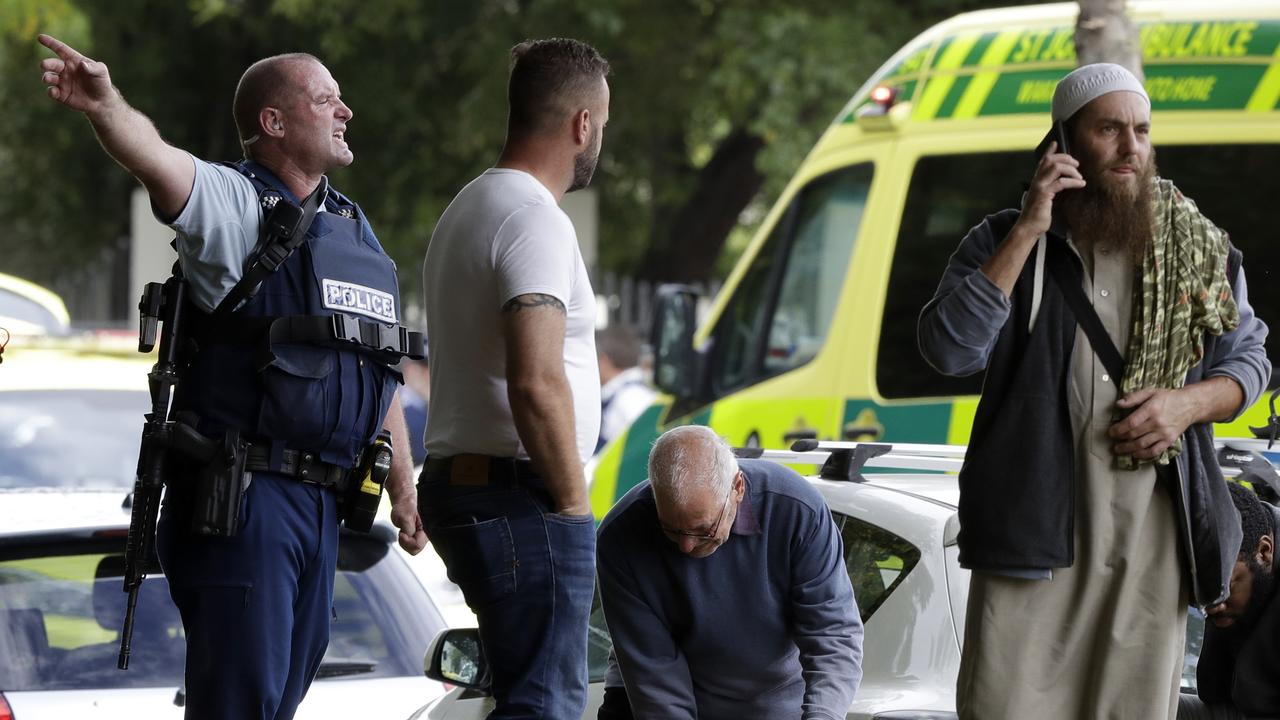
The teen downloaded a video of the 2019 Christchurch mosque terrorist attack.
He discussed Kaczynski via a smartphone, iPad and school-issued laptop – the type of technological devices the Unabomber wanted to erase from society.
“You may think it’s somewhat ironic,” Ms Flynn told the jury.
They heard testimony from the teen’s school friend, who had called police after becoming concerned about their conversations.
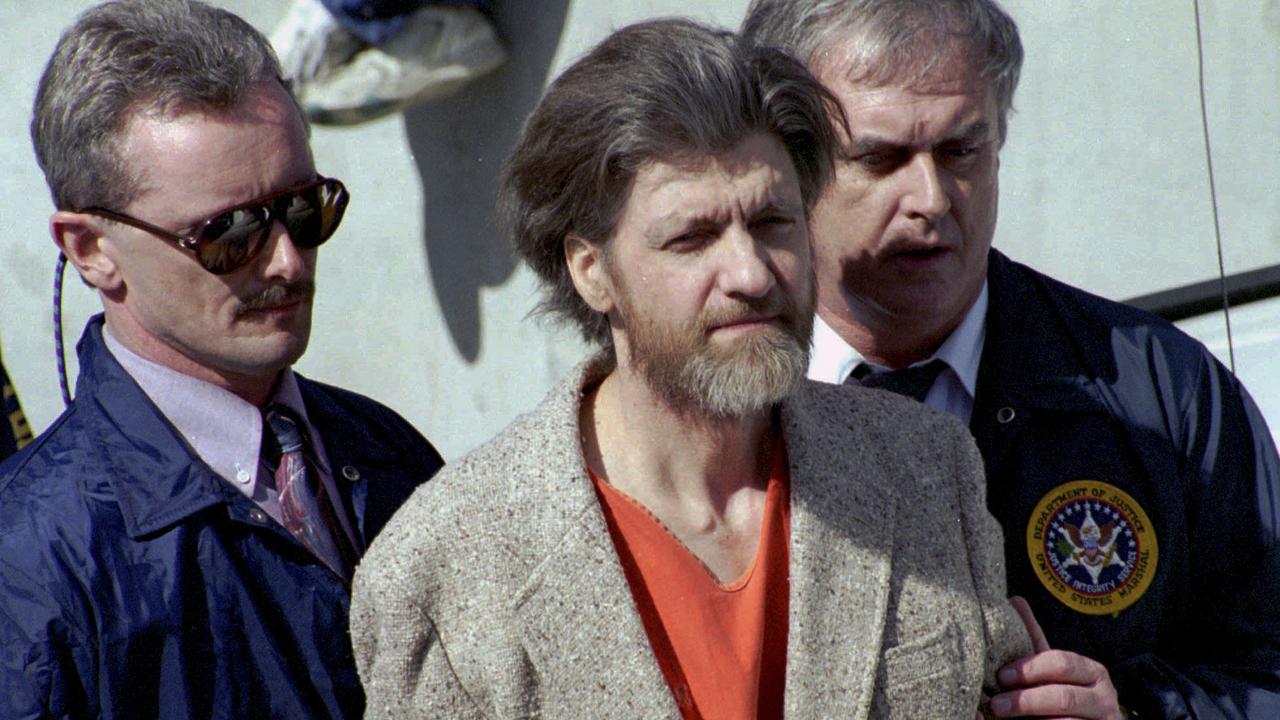
The friend said he exchanged memes that depicted the Unabomber as “the chad mail bomber” and superior to “the virgin mass shooter”.
“Chad” was a term for “a big strong guy in high school who gets all the girls”, the teen’s friend said.
The friend said talk of bombing the Labour Day parade was an “edgy joke” and part of their “incel posts”.
Ms Reece declined the friend’s offer to explain the term “incel” – which refers to “involuntary celibates” who mostly consist of teen boys and young men – to the jury.
The “incel” phenomenon was highlighted in the Netflix miniseries Adolescence, about a fictional boy who fatally stabs a female classmate after his sexual advance is rejected.
The real-life accused teen wrote in his diary about being jealous of a sibling who had found a partner and how people likely looked down on him as a “struggling autistic child”.
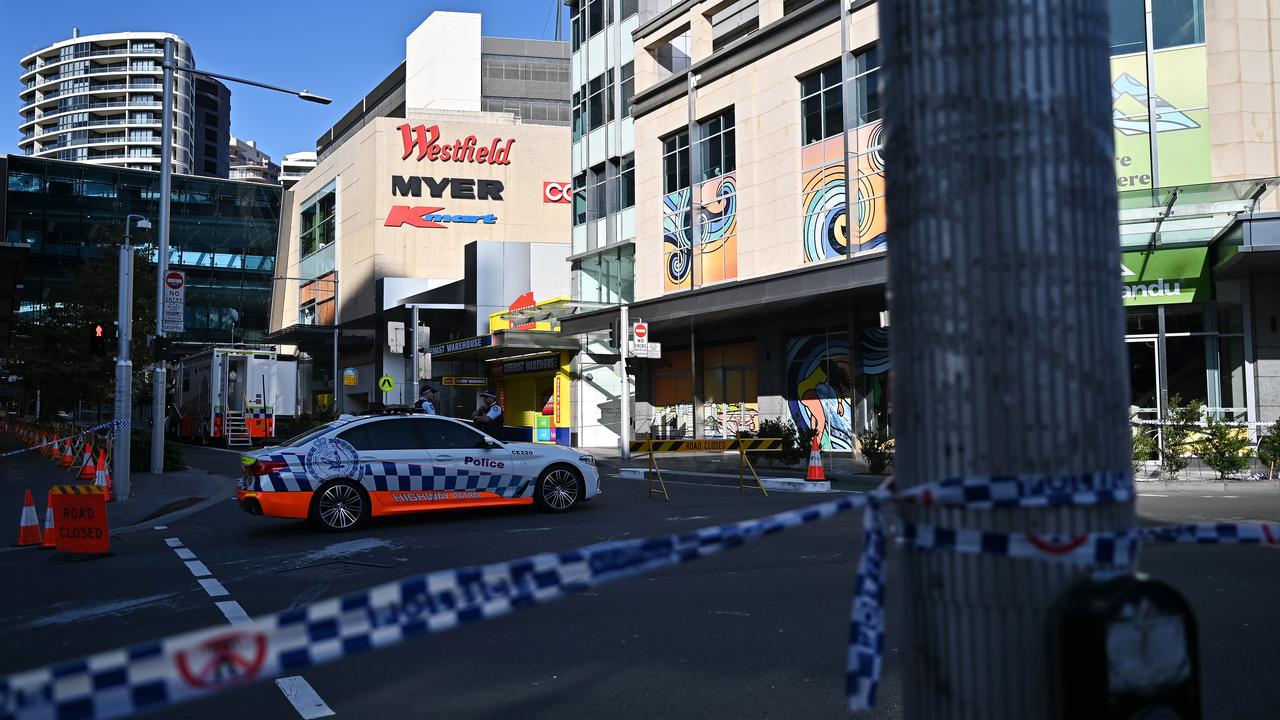
The jury was told he had bought steak knives and wrote about having for years harboured a plan to carry out a mass stabbing at a large Brisbane shopping centre.
The teen later wrote he was surprised by a man carrying out a similar attack at Sydney’s Bondi Junction in April 2024.
Ms Reece said the boy was 14 while struggling with mental health symptoms and his parents’ separation when he first started discussing explosives.
“He also wrote about his feelings on suicide, being lonely and how he thought he was missing out on some things in life because of his autism.”
The jurors were not presented with a formal psychiatric diagnosis for the teen.
They heard he could be found guilty even if no terrorist attack took place but they must reach a unanimous decision that he had committed all three elements of the offence.
Jurors had to agree the teen carried out acts to plan or prepare for an attack, had intended to cause death or significant damage and had intended to influence people or governments to advance an ideology.
The central issue was his state of mind and whether he was “unstable and unclear” in his thinking rather than acting for a certain ideology, Ms Reece told the jury.
“He was a troubled kid. He was experimenting not only with explosives but with ideas and beliefs,” she said.
“He was seeking out extremist material from wildly contradictory sources from the dark corners of the internet.”
About 20 minutes after starting their third day of deliberations, the jury returned a not guilty verdict on Thursday.
The teen’s family gasped and cried in court as the verdict was read out.
Hours later, the teen hurried out of court and across the rain-soaked yard in front of the court building, surrounded by security guards and his legal team.
He said nothing to journalists as he walked back into freedom after almost two years in youth detention awaiting trial.
Lifeline 13 11 14
beyondblue 1300 22 4636
AAP