Defence performance problems even worse than expected
Tess Ikonomou |
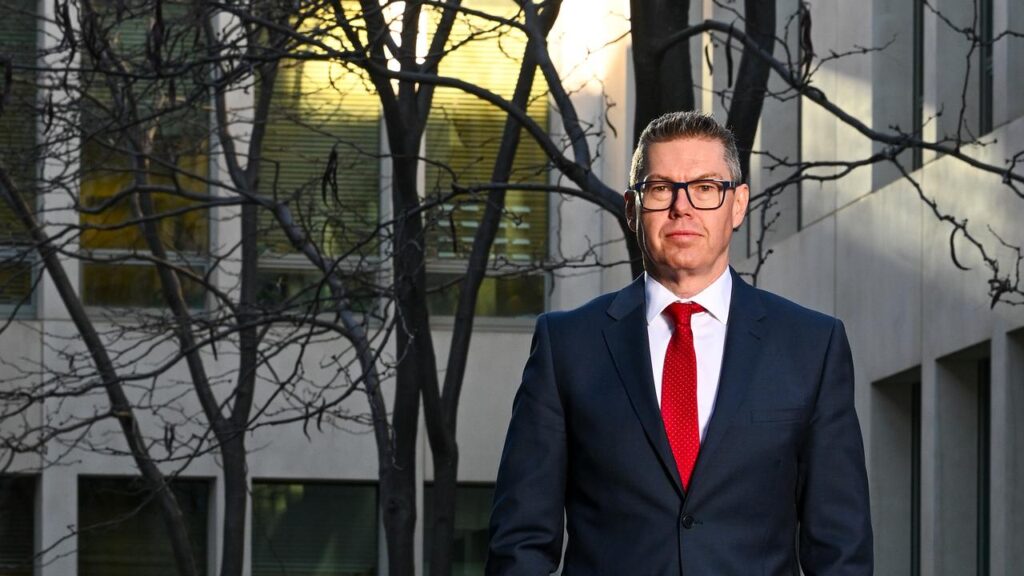
Performance issues in Defence have been found to be more widespread than expected with “congested” decision making, as Labor undertakes the biggest overhaul of the department in five decades.
The federal government in December announced an independent delivery agency would be set up to tackle cost blowouts and project delays, as Labor pours billions of extra dollars into defence over the decade.
Defence Industry Minister Pat Conroy said inaccurate cost estimation and a lack of discipline in project management were behind lacklustre delivery.
“The analysis we commissioned found that the problems were more widespread than I thought,” he told AAP.
“The processes have been setting up people (to fail), so the system as a whole has meant that Defence hasn’t performed as well as it could.”
Parts of the department were spending too much time in meetings which resulted in a lack of action and decision making at the top end becoming “too congested,” Mr Conroy said.
“What we’ve seen is fragmented accountability … if everyone is accountable, that means no one’s accountable,” he said.
The defence industry minister will outline progress made on the reform in an address to the National Press Club next Thursday.
He will position Labor as the party of defence to tackle growing support for One Nation, as well as address discontent within his own party at the government’s approach.
“That intellectual framework is really important to flesh out, because we have to constantly make the case for why investing in Defence is progressive,” Mr Conroy said.
“It’s both about the rise of far-right populism, but also talking to the base of the Labor Party about why this is important.
“You want to fight for a progressive Australia, but you also have to defend a progressive Australia.”

Mr Conroy will represent Prime Minister Anthony Albanese at a NATO summit in Turkey next month.
He will address a defence industry forum, where he will spruik Australia’s uncrewed Ghost Bat drone and Bushmaster vehicles to nations considering broadening out their defence relationships.
The transactional approach taken by US President Donald Trump’s administration has prompted debate about Australia’s security reliance on the United States.
Incoming defence force chief Vice Admiral Mark Hammond said although Australia is a wealthy nation, it’s pockets aren’t “big enough” to defend the island without help.
“If we wanted to contemplate a strategy of deterrence on our own, we’re not going to get there with less than 10 per cent of GDP being spent on the military,” he told the ASPI defence conference in Canberra on Thursday.
The federal government has said defence expenditure will rise to three per cent of economic output by 2033, under the NATO approach which includes military pensions.
An extra $53 billion will be pumped into defence over the next 10 years.
AAP