‘Tunnel vision’ concealing abuse-driven suicide
Will Nicholas |
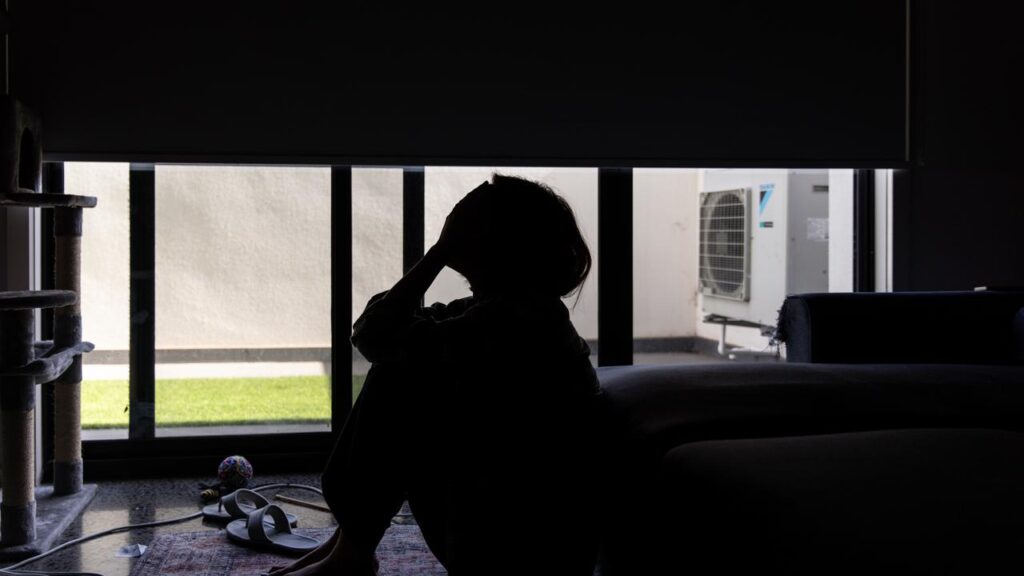
Suicides linked to domestic and family violence frequently slip through cracks in the justice system because of investigator bias and perpetrators influencing proceedings, an inquiry has been told.
A parliamentary probe on Friday heard that up to half of women’s suicides are associated with domestic abuse, but the connection is often obscured by investigators fixating on addiction and mental health issues.
“We may assume that mental health issues and drug and alcohol issues are the cause of suicide, and so do not investigate histories of domestic abuse and their contributions to suicide,” criminal law Professor Heather Douglas told a committee hearing in Melbourne.
She described investigators as having “tunnel vision”.

Bias also steers authorities away from autopsies and delays coronial inquests, including on possible homicides, Prof Douglas said.
Perpetrators of violence can also misdirect justice, particularly when they are the victim’s next of kin, she told the inquiry.
“Abusers will have no interest in advocating for thorough investigation, and can be highly influential in the direction investigations take,” she said.
Victims of domestic violence can self-medicate with drugs and alcohol, or be coerced into substance abuse by their tormentors, Prof Douglas wrote in her submission to the inquiry.
“Mental health and drug services just can’t work in silos. It’s not working,” she said.
In separate testimony, Alcohol and Drug Foundation CEO Dr Erin Lalor also described mental health, alcohol and drugs, family and domestic violence as a venn diagram.

It comes after it was revealed social workers, nurses, midwives and psychiatrists receive little to no compulsory training on issues relating to domestic abuse, during hearings the committee conducted on Thursday.
Almost half of psychiatrists reported they received fewer than two hours of domestic violence training in their entire careers, Royal Australian and New Zealand College of Psychiatrists representative Karen Williams relayed.
Online modules were available for nurses depending on their health service, and most teaching and social work degrees in Australia have no family violence content, leaving them to learn “on the job”, the MPs were told.
“By virtue of the prevalence of victimisation, they will come across it,” family violence researcher Kate Fitz-Gibbon said.
Prof Douglas on Friday said judicial education on issues around domestic and family violence was “pretty opt-in”.
More widespread, specific laws sketching out new offences for coercive control, currently only in force in NSW and Queensland, could help educate the justice system, she told the inquiry.
When asked by the committee whether domestic violence, mental health, drug and alcohol services work together well, Alcohol and Drug Foundation representative Amy Herbert replied “not anywhere, to be honest.”
“Well that’s depressing,” Labor MP Louise Miller-Frost said.
1800 RESPECT (1800 737 732)
Lifeline 13 11 14
Men’s Referral Service 1300 766 491
AAP