Popular goods retailer eyes regions for store expansion
Kaaren Morrissey |
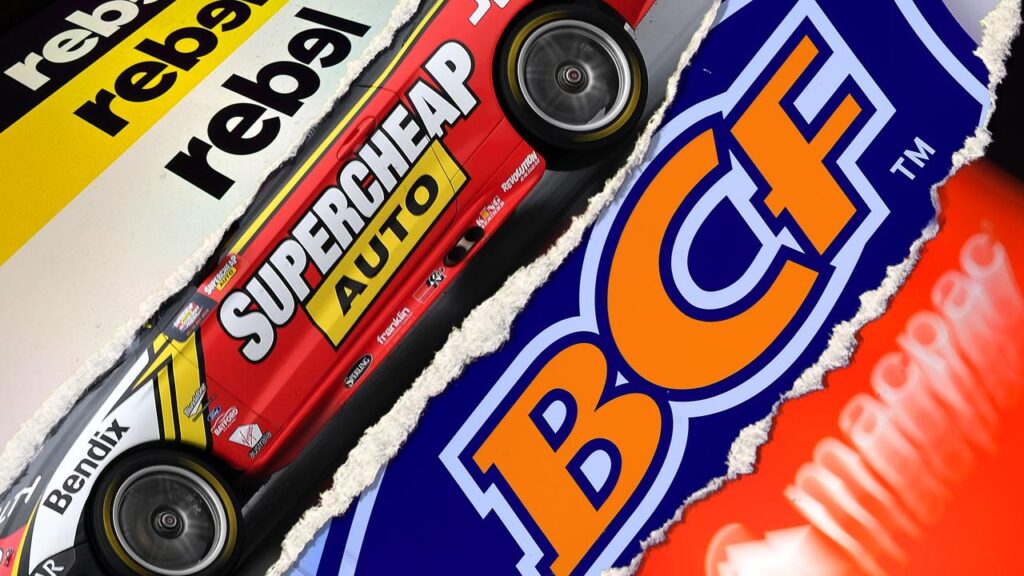
Motorheads, outdoor types and fitness fans across Australia are in line for new stores to feed their hobbies, as a major retailer plots a five-year expansion.
Super Retail Group, which owns Supercheap Auto, Rebel, BFC and Macpac, plans to ramp up its bricks-and-mortar footprint as it chases billions of dollars worth of market share across all four brands.
Super Retail has a $4 billion hold on the total auto, outdoor and sporting goods market, which is worth $65 billion.
This meant all four brands had ample room for growth, chief executive Paul Bradshaw said on Thursday.
“For me, you’ve got to own the categories that you play in and give your customers exactly what they want,” he told investors while outlining the group’s new growth strategy, dubbed Ignite.

Supercheap Auto has a nine per cent market share, Rebel 10 per cent, BCF 12 per cent and Macpac six per cent.
It plans to expand its stores by 110 to 900 by 2031, focusing on under-represented regional areas and new formats.
The expansion program will lean more on Supercheap Auto and sporting goods chain Rebel than outdoor goods sellers BCF or Macpac.
Supercheap Auto would expand its range to more key parts after being buoyed by the success of roof rack brand Rhino Rack and spark plug maker NGK, which were added at the urging of customers, managing director Ben McConnell said.
“We also see a really strong opportunity in EVs (electric vehicles) and hybrid parts,” he said, noting a huge influx of Chinese EVs into the Australian market.
At the same time, Mr McConnell said the most looked-up vehicle on its site was the Holden Commodore, especially among car project enthusiasts.

The business has 362 stores in Australia and New Zealand and will have about 415 by 2031, including 50 small and 30 large-format stores.
“We operate in many small towns, so we are quite ambitious about the opportunity that lies ahead there,” Mr McConnell said of its small format projection.
Rebel, the second-largest group business, has 161 stores but in five years it should have at least another 30, with an outside goal of 50, mainly in regional towns.
The business was looking for places with populations of between 10,000 and 50,000, some of which might already have a Supercheap Auto or BCF store, managing director Jenny Child told investors.
“We all know that regional communities are places where sport is deeply embedded,” she said, adding the goal was to fill the gaps left by independent sporting goods operators.
Boating, camping and fishing specialist BCF will get up to 30 more stores, from 170, while Macpac, which has 103, will expand to about 115.

Super Retail’s store expansion will be funded through its existing annual capital expenditure budget of about $150 million.
While the stock exchange-listed group said it would incur annual project costs of $30 million over the next three years, it also expects to save about $75 million annually by the 2029 financial year.
Asked if Super Retail was still looking at acquisitions, such as outdoor clothing and equipment retailer Kathmandu, or a barbecue retailer, following the failed sale this week of Barbeques Galore, Mr Bradshaw wasn’t keen.
“Just look at that $65 billion (market Super Retail is targeting),” he said.
“We have enough to do in our own space, and that’s what we are going after.”
Its shares were up two per cent to $12.52 in afternoon trading.
AAP