‘Violent’ police culture sparks calls for transparency
Kat Wong and Alex Mitchell |
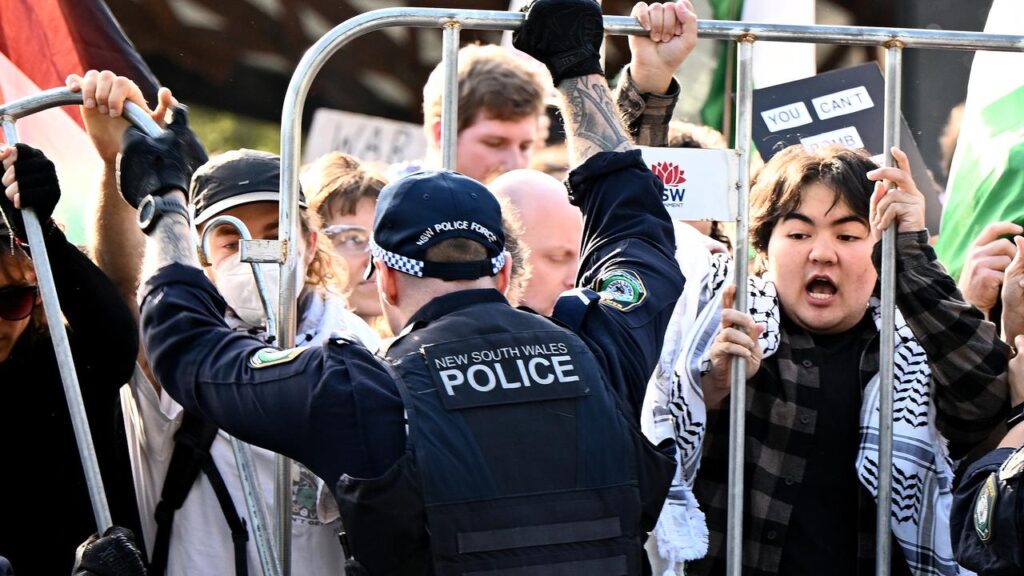
A scandal-plagued police force is being urged to bolster transparency after accusations of a culture of gratuitous violence and cover-ups.
Advocates and experts, including University of Newcastle criminologist Justin Ellis, are calling for change after graphic videos of officers beating people under arrest were broadcast by ABC’s Four Corners.
“Culture sets the tone within policing organisations for how the law is enforced and how police officer misconduct is addressed,” said Dr Ellis, who was appointed to a community consultative committee as part of a NSW Police response to the state’s inquiry into LGBTQI hate crimes.
“So a greater emphasis on transparency is a key way to improve culture.”

The mandatory use of body-worn cameras, more detailed reporting on the outcomes of complaints against police and data on the settlement of civil court proceedings against officers would all improve transparency, he said.
One video aired on Four Corners involved Canberra NRL player Tom Starling, who was restrained while two officers punched him to the point he appeared to be unconscious. Police still charged him with assaulting four officers.
Those charges were dropped after a lengthy legal process. Two officers involved were charged with assaulting Starling and will go to trial later in 2026.
In another, two officers are seen bashing a schizophrenic woman, pepper spraying her in the eyes and genitals, kicking and stomping on her and dragging her by the hair.
NSW Premier Chris Minns noted both officers were fired and jailed and said they were not evidence of a force acting with impunity.
“There are so many employed at such a large rate there will be those who have got bad intent, make terrible decisions, or just bad people,” he told parliament on Tuesday.
“But we have a strong, robust, independent investigatory body … the public should have confidence in those bodies to do their job.”

There was no defence for the actions shown in the clips, police officer-turned-criminologist Michael Kennedy said.
“You’re dealing with people that are at their best and at their worse and you’re dealing with police that are at their best and their worst,” Professor Kennedy said.
Greens MP Sue Higginson said processes governing police accountability weren’t up to scratch and failed to address broader issues.
“This is a culture of excessive force, unbridled power and cover up, enabling police to be violent with impunity,” she said.
“The default system is for the police to investigate themselves and it’s not working.”
Ms Higginson called for the state watchdog, the Law Enforcement Conduct Commission, to have increased powers and more investigators to probe complaints.

Though the commission did a good job within its remit, Dr Ellis acknowledged its scope was relatively narrow and any expansion would need to be properly resourced.
Australia’s peak psychiatrist body zeroed in on police treatment of Jodi Knott, the 48-year-old living with schizophrenia who was assaulted viciously while having a psychotic episode.
Royal Australian and New Zealand College of Psychiatrists NSW chair Ian Korbel renewed concerns about police as frontline responders to mental health episodes.
“People living with serious mental illness are far more likely to be victims of violence than perpetrators … responses that are punitive, aggressive or poorly informed can cause further harm and deepen trauma,” he said.
In the five years to July 2023, 52 people experiencing mental health crises were killed by NSW Police.
Lifeline 13 11 14
beyondblue 1300 22 4636
AAP