State clears rape kit backlog and cuts DNA delays
Robyn Wuth |
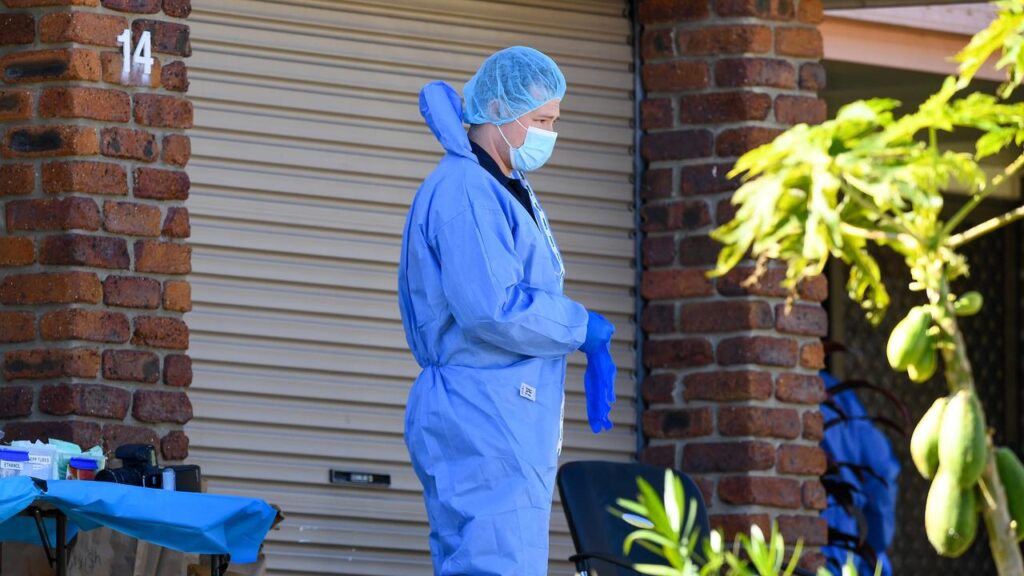
Sexual assault and major crime victims are being promised faster justice after a state government cleared a backlog of untested rape kits and cut DNA delays by 70 per cent.
Queensland’s Crisafulli government says 601 outstanding sexual assault examination kits it inherited have now been tested after a two-year outsourcing and recovery plan.
Previous handling of the system had denied victims justice, slowed police investigations and allowed dangerous offenders to stay in the community, Attorney-General Deb Frecklington said.
“We inherited a backlog of rape kits of 601 rape kits. We inherited a backlog of 11,700 major crime DNA samples just sitting on the shelves,” Ms Frecklington said.
“These figures are not just statistics – they represent real people who have fallen victim to serious crime.”

Queensland’s forensic system has been engulfed in scandal, with inquiries exposing massive DNA backlogs, botched testing thresholds and fears crucial evidence was missed or delayed in serious crime cases.
Tens of thousands of samples had to be revisited, raising doubts about past convictions and whether some offenders were left on the streets.
Investigators also found deeper problems inside the state’s lab – contamination risks, outdated equipment, staff shortages and poor oversight – prompting demands for sweeping reforms and even calls for a new facility.
Ms Frecklington said the government refused to let evidence languish untested.
She confirmed the major crime DNA backlog had been cut by just over 70 per cent, from 11,703 samples in November 2024 to 3488 in May 2026.
“This means victims of sexual violence in particular can get answers sooner. It means police can get their evidence to courts sooner, and importantly, it means offenders being brought before the courts much quicker,” she said.
The government has also changed the leadership structure at Forensic Science Queensland, appointing two new deputy directors as part of longer-term reforms.

Senior forensic science leader Saranjeet Khera, who has more than 25 years’ experience in forensic biology and has worked for the UK Metropolitan Police, will join the agency.
She will work alongside career public servant Kirsten Eades, who has almost 30 years’ experience with the Department of Justice and will oversee corporate services.
Forensic Science Queensland director Mick Fuller said clearing the rape-kit backlog and cutting major crime delays was a “significant step” in restoring confidence.
“Timely and reliable forensic results are critical to helping police solve crimes and ensuring victims have greater access to justice,” Mr Fuller said.
He said outsourcing had played a major role by giving the labs breathing space to reset processes and lift standards.
Sexual assault kit testing is slated to resume in Queensland from July, with authorities aiming to turn around results within five to 10 business days.
AAP