States pump up fuel security and bowser policing
Robyn Wuth |
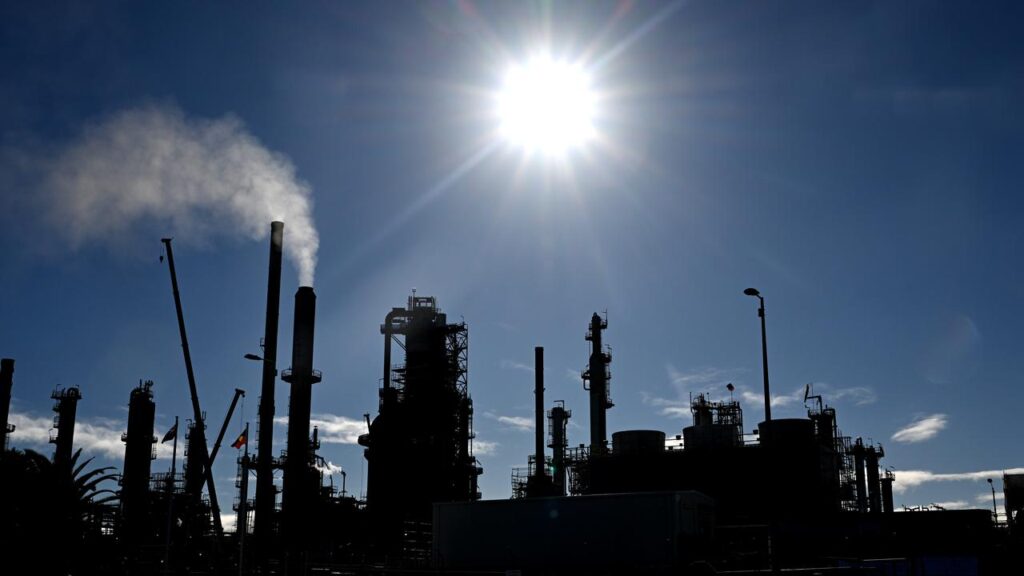
Queensland is scouring surplus government land at six key ports for new fuel storage and refinery projects as part of an emergency push to shore up supplies and reduce reliance on volatile global markets.
The Crisafulli government has launched an Accelerating Fuel Infrastructure Program to encourage new fuel-refining and storage projects on government‑owned land and at ports.
The program includes a statewide audit of suitable sites along the coast, a call for industry proposals and a fast‑tracked approvals process.
It forms part of Queensland’s fuel security plan, alongside a proposal to unlock oil reserves in the Taroom Trough, refine more fuel locally, increase storage capacity, and remove state taxes on fuel price rises.
Premier David Crisafulli said the state needed to rebuild its ability to drill, refine and store fuel so it was not at the mercy of global supply chains.
“More storage and refining fuel locally means it’s easier for families to fill up and small businesses to stay afloat,” he said.

Other states are also bracing for more fuel shock, tightening emergency powers and cracking down on servos that flout the rules.
In South Australia, the Malinauskas government is rewriting 30‑year‑old laws to strengthen fuel emergency powers in case conditions worsen, including if the Strait of Hormuz closure drags on.
The changes would allow declared fuel rationing for up to 90 days at a time, and further 90‑day extensions, bringing SA into line with the Commonwealth and other states.
The bill also allows on‑the‑spot fines and the seizure of fuel obtained in breach of rationing, and three years in prison for motorists who assault, threaten or intimidate fuel workers during an emergency.
Premier Peter Malinauskas said the state was “hoping for the best while doing all we can to prepare for the worst” and stressed the move did not mean rationing was expected.
“This is not a signal that we expect fuel rationing will occur,” Mr Malinauskas said.
“It is simply ensuring that should the Commonwealth government take action, the state is in the best position to respond nimbly.”

In NSW, the Minns government is targeting service stations that fail to accurately report prices and fuel availability to the state’s FuelCheck app and website.
Under new laws, on‑the‑spot fines will double to $1100 for individuals and triple to $3300 for companies, with higher penalties for repeat offenders and tougher court‑imposed fines.
FuelCheck, which provides real‑time prices from about 2400 service stations, was accessed more than 22 million times in March and April, while NSW Fair Trading carried out more than 3700 inspections and issued about 230 fines.
AAP