Iran ‘can’t be trusted’ over Hormuz, as talks stalled
Humeyra Pamuk, Ahmed Elimam and Ahmed Tolba |
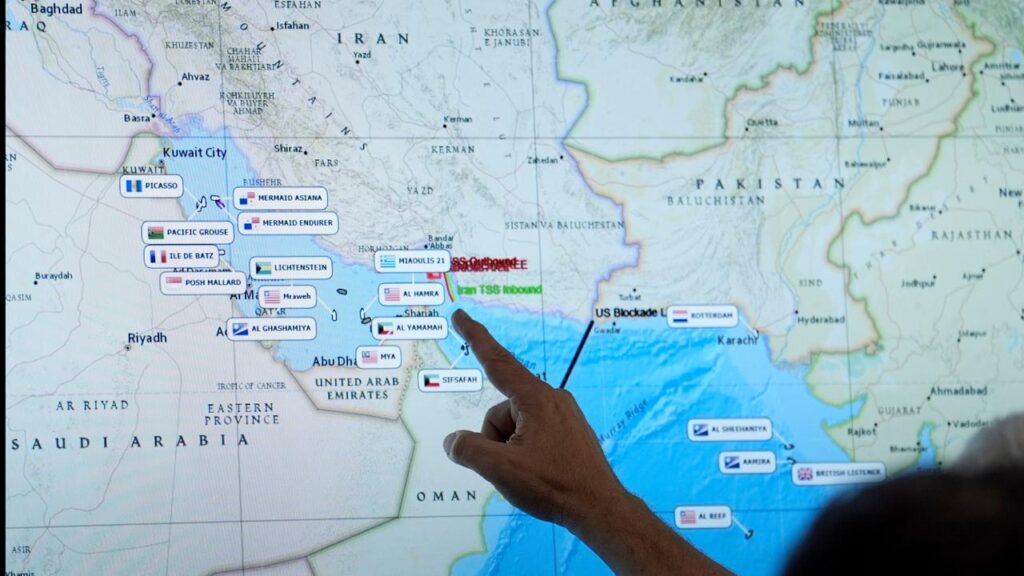
Iran cannot be trusted over any unilateral arrangements it makes for the Strait of Hormuz, a senior United Arab Emirates official says, in a sign of deep mistrust on all sides as efforts to end the Iran war remain at an impasse.
Two months into the conflict, the vital sea channel is still largely closed because of an Iranian blockade and the US Navy is blocking exports of Iranian crude oil.
The blockade has choked off 20 per cent of the world’s oil and gas supplies, pushing up global energy prices and increasing concerns that there will be an economic downturn.
A ceasefire has been in place since April 8 but reports that US President Donald Trump was to be briefed on plans for new military strikes to compel Iran to negotiate pushed global oil prices up to a four-year high at one point on Thursday.

Iran had activated air defences and planned a wide response if attacked, having assessed there would be a short, intensive US strike, possibly followed by an Israeli attack, two senior Iranian sources told Reuters.
Washington has not said what its next steps are.
Trump said on Tuesday he was unhappy with the latest proposal from Iran, and mediator Pakistan has not set a date for new talks on ending a war that has killed thousands, mainly in Iran and Lebanon.
After US and Israeli air strikes on February 28, Iran fired at US bases, infrastructure and US-linked companies in Gulf states, while the Iran-backed Lebanese group Hezbollah launched missiles at Israel, which responded with strikes on Lebanon.
Underlining the concerns of the Gulf states, UAE presidential adviser Anwar Gargash said the “collective international will and provisions of international law” were the primary guarantors of freedom of navigation through the strait.
“And, of course, no unilateral Iranian arrangements can be trusted or relied upon following its treacherous aggression against all its neighbours,” Gargash wrote.

Trump faces a formal US deadline on Friday to end the war or make the case to Congress for extending it under the 1973 War Powers Resolution.
The date looks set to pass without altering the course of the war after a senior administration official said that, for the purposes of the resolution, hostilities had terminated due to the April ceasefire between Tehran and Washington.
Global oil benchmark Brent crude futures rose again on Friday, up slightly at over $US111 a barrel after hitting $US126 a barrel on Thursday, the highest level since March 2022.
Iranian foreign ministry spokesman Esmaeil Baghaei cautioned on Thursday against expecting quick results from talks.
A senior official of Iran’s Revolutionary Guards said any new US attack on Iran, even if limited, would usher in “long and painful strikes” on US regional positions.
Trump repeated on Thursday that Iran would not be allowed to have a nuclear weapon, and said the price of petrol – an important concern for his Republican Party before midterm elections in November – would “drop like a rock” as soon as the war ended.

Iran says its nuclear program is solely for civilian purposes.
Trump said on Thursday that Iran’s economy was “a disaster”, but analysts said that if he expected Iran to blink first in a game of economic chicken, he might be waiting a while.
Axios news site reported that one plan to be shared with Trump during a briefing by top US military leaders that was scheduled for Thursday involved using ground forces to take over part of the strait to reopen it to commercial shipping.
Trump was also considering extending the US blockade or declaring a unilateral victory, officials have said.
with AP
Reuters