Grain belt hit by worst mouse plague in years
Robyn Wuth |
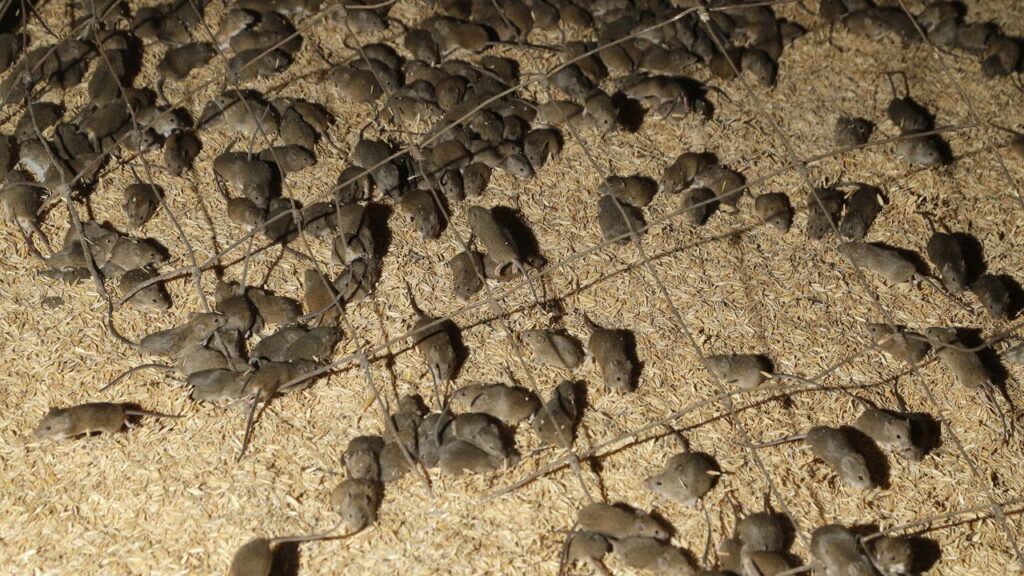
Mouse numbers have exploded to plague proportions across Western Australia’s grain belt, with experts warning the outbreak is among the worst the state has seen.
CSIRO researcher Steve Henry says surveys in key cropping regions have found up to 4000 burrows per hectare, particularly around Northampton, north of Geraldton, and between Albany and Esperance near Ravensthorpe.
On conservative estimates of one mouse per burrow, that equates to about 4000 mice per hectare.
Mouse plagues are a well‑known hazard for grain growers in NSW and South Australia, but historically have been rare in WA.
Mr Henry said the current outbreak was one of the worst in recent years, with truck drivers telling CSIRO researchers travelling the outback roads was “like driving across rice bubbles”.
“This is significantly worse than the outbreak they had in 2022,” he said.
“It’s probably one of the worst they’ve ever had over in the west.”
The surge in numbers follows good rainfall and strong crops after dry spells – ideal conditions for mice, which breed at a ferocious rate.
They can start breeding at six weeks old, producing six to 10 pups every 19 to 21 days and falling pregnant again within days of giving birth.
“There’s no break in pup production,” Mr Henry said.
“While they’re rearing the first litter, they’re gestating the second.”
Farmers’ main control tool is zinc phosphide bait, spread across paddocks in a bid to push numbers down before winter, so fewer mice survive to damage ripening crops in spring.

Field trials on SA’s Adelaide Plains have shown well‑timed baiting can wipe out local populations, with traps dropping from saturation levels to zero overnight.
But a sharp increase in demand from WA has raised concerns about supply, with fears more may not become available until the end of May.
There is no federal assistance for baiting, leaving growers to absorb the cost alongside higher fuel and fertiliser prices.
Mouse populations can eventually crash when food runs short and disease and stress take hold, often leading to cannibalism.
AAP