Coast clear as response to toxic algal bloom eased
Robyn Wuth |
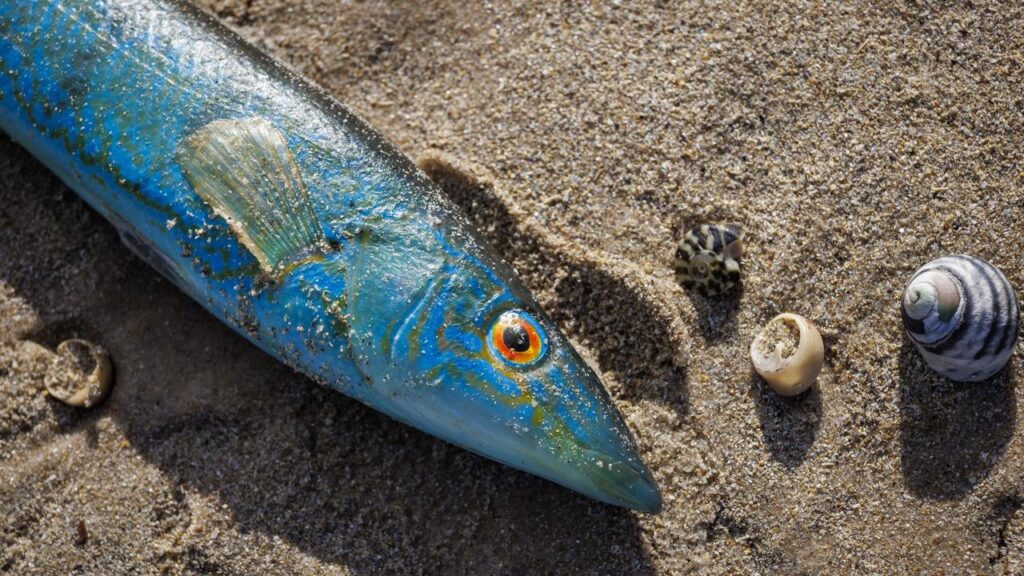
Months after tonnes of dead marine life were left strewn along beaches, authorities are easing emergency measures as toxic algal bloom levels decline.
Extensive monitoring showed the harmful Karenia algae had all but disappeared from South Australian waters, Premier Peter Malinauskas said on Monday.
”For a sustained period, we have not seen high levels of Karenia – in most instances, we’ve seen effectively zero along the state’s coastline,” he said.
Some coastal regions experienced ”serious devastation” to marine life that was unprecedented in living memory and recovery would take time, Mr Malinauskas said.

With the bloom effectively clear for months, weekly testing at metropolitan and regional sites will transition to a monthly schedule, with higher-frequency sampling retained only if new blooms are detected.
The government will also scale back its shoreline clean-up operations.
”We’ve gone from collecting something like 9500kg a week of dead marine life to now less than 50,” Mr Malinauskas said.
The Beachsafe app will revert to its usual public safety functions, with algal updates wound back, although CCTV coastal monitoring funded during the crisis will be retained.
The dedicated algal bloom hotline, now receiving only about three calls a day, will shift from a staffed service to an automated system.

(Matt Turner/AAP PHOTOS)
Mr Malinauskas said more than $115 million had been spent on the response so far, and maintaining that level of expenditure without an active bloom would be irresponsible.
However, he stressed that monitoring and research funding would continue.
”While this is very good news that the algal bloom has essentially cleared up and not been with us for a long time, it is also true that it might come back, which is exactly why we’re going to continue to invest in monitoring and the research efforts.
”There is still a lot more that needs to be learned around the performance of a harmful algal bloom.”
There are signs marine life is rebounding, with a strong recovery in blue swimmer crab stocks allowing a full reopening of the fishery for both commercial and recreational operators under normal bag limits.
In contrast, calamari numbers in both Gulf St Vincent and Spencer Gulf remain alarmingly low, prompting extended closures across both gulfs.

Closures and restrictions on garfish will also be broadened, with some additional constraints and limited expansions for whiting as scientists focus on protecting key spawning areas through to the end of July.
Professor Mike Steer, executive director of the SA Research and Development Institute, said the job was not done.
”At the peak of this harmful algal bloom, cell counts were in the hundreds of thousands per litre, and in some metropolitan areas they were getting up into the millions,” Prof Steer said.
”This Karenia species is highly responsive to environmental conditions, so even with these encouraging results, we have to stay vigilant.”
AAP