Global Shift to Green Power Leaves Coal in the Shadows
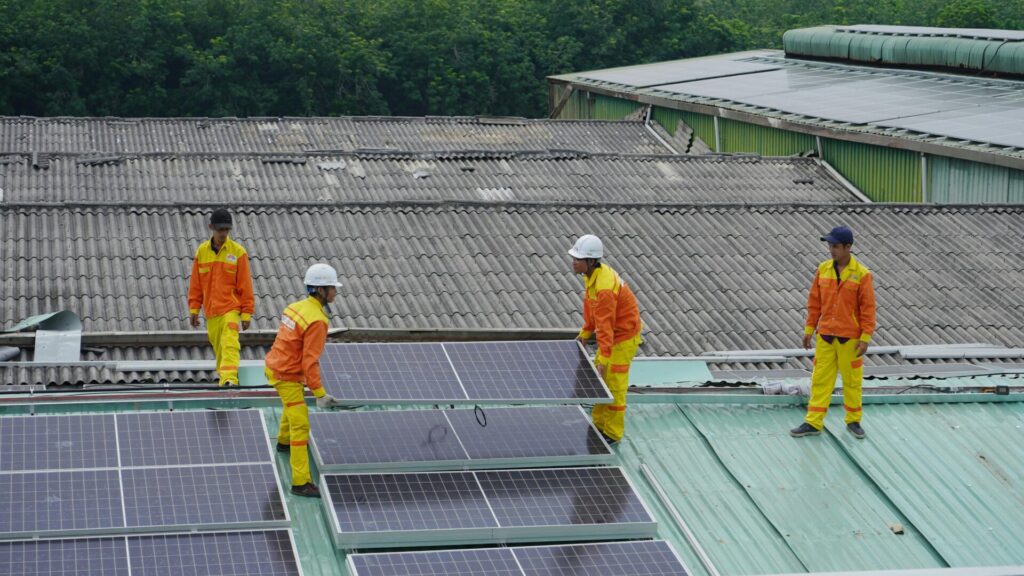
The sun is shining a little brighter on the global energy landscape this week as new data reveals a historic turning point in how the world powers its homes and industries. According to a comprehensive analysis from the energy think tank Ember, renewable energy sources have finally overtaken the world’s surging appetite for electricity. In a year defined by shifting geopolitical alliances and a deepening climate crisis, the rapid expansion of clean power has managed to outpace even the strongest growth in global demand.
Last year, clean power generation grew by 887 terawatt hours, comfortably exceeding the 849 terawatt hours of additional demand seen across the globe. This surge was propelled largely by a record breaking performance from solar and wind, particularly in China and India. For the first time in modern history, the share of renewables has hit more than one third of the world’s electricity mix. It is a milestone that signals a profound shift away from the fossil fuel reliance that has defined the last few decades.
The report, which studied data representing 93 percent of global demand, suggests the world is entering a new era. Nicolas Fulghum, a senior data analyst at Ember and the lead author of the study, noted that we are moving into a world where new electricity demand no longer translates to growth in fossil generation. While previous decades saw every new factory or electric vehicle tethered to the burning of coal or gas, the structural capacity of clean power is now rising to meet those needs.
In a result that would have seemed improbable a decade ago, coal power saw its global share fall below one third of total generation. This decline was mirrored by the near total stagnation of fossil fuel generation, which fell by approximately 0.2 percent in 2025. This transition is being supported by a massive acceleration in battery storage technology. As battery costs plummeted by 45 percent last year, the ability to store solar energy for use outside of daylight hours grew significantly, providing the reliability needed to challenge traditional power sources.
The shift is especially evident in Asia. Both China and India, nations that have historically been the heaviest lifters for fossil fuel generation, recorded declines in their use of coal and gas last year. China remains the undisputed leader in the sector, responsible for more than half of the world’s growth in solar capacity. Fulghum observed that these nations are now aggressively pursuing a strategy of diversification, using renewables as the primary drivers of change in their power systems.
Even as political pressures and international conflicts create volatility in the energy market, the economic and security arguments for renewables are becoming harder to ignore. Alexis Abramson, dean of the Columbia University Climate School, remarked that we have crossed an important threshold where clean energy can meet rising demand economically while addressing national security concerns. She noted that milestones like these are a great step in the right direction, providing a much needed buffer against the volatile costs of oil and gas.
While the challenge remains to turn this momentum into a steady and permanent decline of fossil fuel use, the 2025 figures offer a rare moment of optimism that resonates particularly well in the Sunshine State. With our own vast solar potential and the ongoing transformation of the national grid, these global milestones provide a clear blueprint for Australia to follow. The world is no longer just dreaming of a green transition; it is actively building one, and for a nation with some of the best renewable resources on Earth, the opportunity to lead that charge has never been more apparent.