Easter road deaths spark calls for national leadership
Nick Wilson and Alex Mitchell |
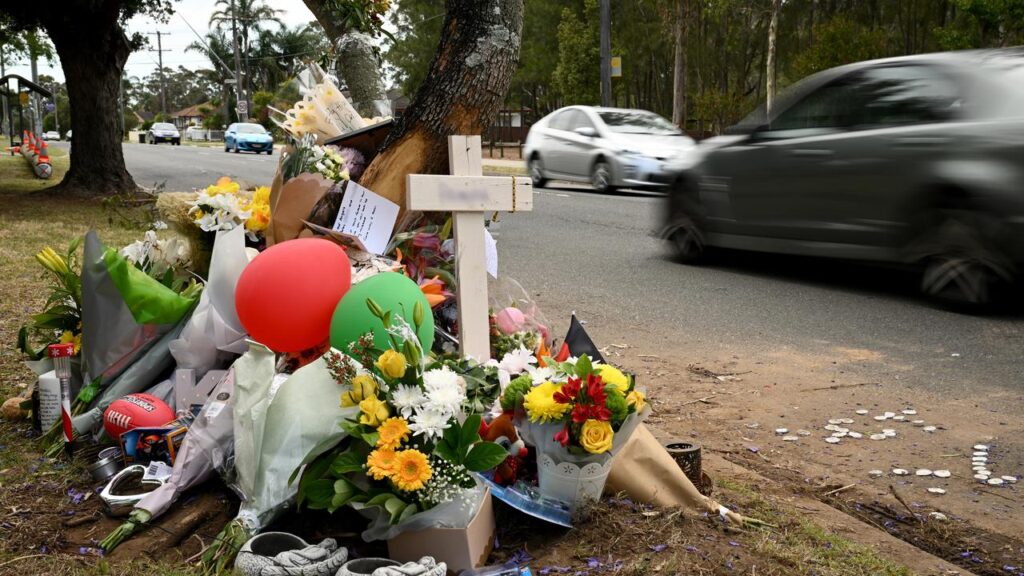
Road safety must be better embedded in school curriculums, advocates say, as Australia reels from another disastrous Easter period.
Nineteen people died in crashes across the country over the four-day long weekend from Friday to Monday.
Some 110 people had been killed in the previous five Easter long weekends including 21 in 2025, the Australian Automobile Association said.
And more than 1336 people died on Australia’s roads in the 12 months to February, according to the federal government figures, marking a 4.4 per cent increase from the previous 12 months.

The impact went far beyond the crashes, with devastated families left to bear the devastating consequences, Australian Road Safety Foundation founder and chair Russell White said.
“Death at any time is horrific, but just the swiftness – one minute everything seems normal then suddenly, sometimes through no fault of that person, they are taken away,” he told AAP.
“It’s all those goodbyes, words that were never said, that’s a very difficult thing to deal with and comprehend, emotionally and psychologically.”
Mr White proposed a federal road safety minister to steer a national agenda, including improved education in the school system.
From Good Friday to Easter Monday, there were four deaths in South Australia, three each in Queensland, Victoria and NSW, and two in the Northern Territory, Western Australia and Tasmania.

Three of the deadly crashes did not occur on public roads, including separate ATV rollovers in South Australia and Tasmania.
An 11-year-old boy was killed in Mandurah, south of Perth, after a car struck his push scooter on Monday afternoon.
At least five more road deaths – two in Queensland, two in WA and one in NSW – were recorded on Thursday ahead of the long weekend.
The carnage occurred despite state and territory police conducting targeted road safety operations, with double demerits in place for wrongdoers.
More than 7500 traffic offences were detected by Victoria Police from Thursday to Monday.

Infringements issued over the period increased by 23 per cent compared to 2025.
In NSW, there were 333 major crashes reported as police issued 15,711 traffic infringement notices, and conducted 317,891 breath and 11,646 drug tests from Thursday to Monday.
“Police saturated our roads over the long weekend, but enforcement alone cannot prevent every tragedy,” NSW Police Minister Yasmin Catley said.
AAP