Insurer’s ‘failing’ health system warning as costs soar
Kaaren Morrissey |
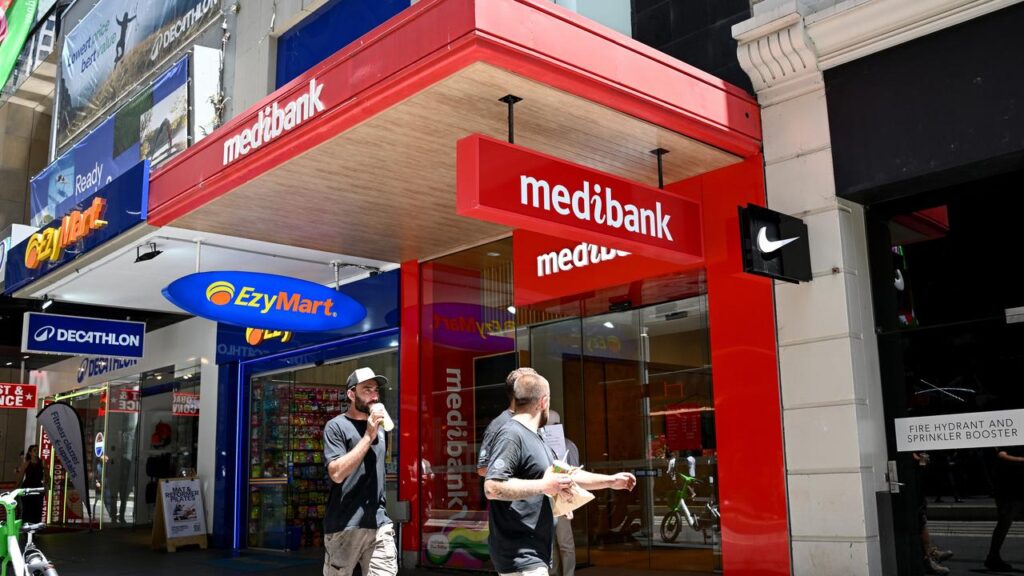
Australians continue to switch up their private health insurance cover as rising living costs bite ahead of one of the biggest government-approved premium increases in almost 10 years.
At the same time, the nation’s healthcare system remains under strain and in some areas failing, according to the head of the nation’s biggest listed health insurer.
Medibank Private on Thursday reported an 11 per cent fall in bottom-line net profit to $302.9 million for the first half of 2025/26.
The underlying result was slightly down at $297.8 million – and below the market consensus – after some non-health-related costs and impacts that offset growth in its core business.
Shares fell 6.6 per cent on the result to $4.50.
That came despite health insurance premium revenue rising about four per cent to $4.1 billion against claims totalling $3.4 billion.
Medibank’s main bright spot was a 38,300 increase in resident policyholders, about double the rise in the previous first half, for a total of about two million.
“We are very conscious that many customers are doing it tough, including with the recent interest rate increase and recently announced increases to premiums,” chief executive David Koczkar told analysts in an earnings call.
“However, despite that challenging environment, the resident health insurance market remains buoyant, including continued strong growth in younger customers choosing to go private.
“We expect resident growth rates to remain well above pre-pandemic levels.”

Medibank recently announced its health premiums would rise by an average of 5.1 per cent from April.
It came after the federal government green-lit a 4.41 per cent industry-wide average rise in premiums for the current year.
The increase is the largest single-year rise in premiums since 2017.
Medibank said its premium change equated to an extra $2.14 a week for a single policy or $4.46 a week for families.
Uptake of non-residential policies – mainly held by international students – rose 0.4 per cent year-on-year almost 350,000 in the first half, although that number was down slightly from the end of the last financial year.
“While we are seeing slightly lower policyholder growth rates in our non-resident business from a few years ago, our performance remains better than market,” Mr Koczkar said.

The non-resident market has adjusted to recent federal government migration reforms, with overseas student numbers stabilising and foreign worker numbers increasing.
“But we expect the market to continue to grow and we are also seeing more students and workers become residents,” Mr Koczkar said.
“We remain insurer of choice for the student market.”
People remain drawn to private insurance in the face of high public hospital waiting lists, especially for elective surgery, Mr Koczkar said.
Consumers were also switching brands and products in search of better value, and choosing lower levels of cover as living costs soared.

More broadly, all was not well with the Australian hospital and health system, despite high government funding, Mr Koczkar said.
“Australia has never spent more on healthcare and yet, in some parts, the system is failing,” he said.
“Pocket costs are rising, patients are waiting longer for care, clinicians are under pressure and avoidable hospitalisations are around 30 per cent above the OECD average.”
Despite the issues, the pace of hospital reform remained far too slow, he said.
Medibank will pay an interim dividend of 8.3 cents per share, up 6.4 per cent.
AAP