Great escape to the country squeezing communities
Stephanie Gardiner |
Nearly six years after the COVID-19 pandemic sent many city residents over the hills and far away, regional Australia is again experiencing sustained population growth.
Consistent growth in the regions has re-emerged in the last two years, driven largely by city escapees according to research by the Regional Australia Institute.
City residents moving to the country outnumbered migration in the opposite direction by 36 per cent in the September 2025 quarter, the think tank’s Regional Movers Index showed.
The net number of people moving to Australia’s regions increased by 11.8 per cent, slightly below a recent recorded two-year high.

“Planning and investment to accommodate this growth is a key challenge for governments, industry and communities,” the institute said in releasing the index on Monday.
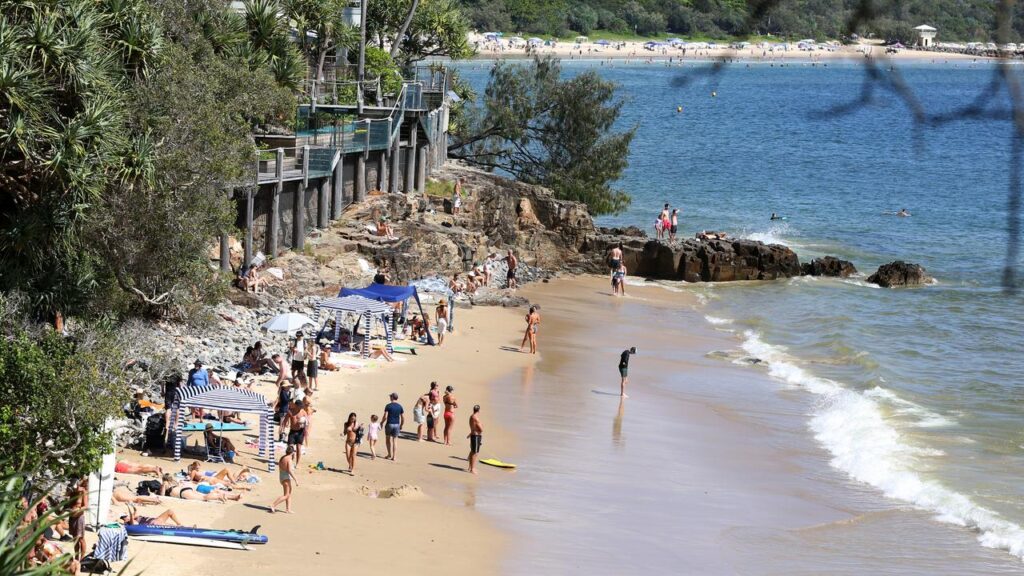
Separate figures from the Bureau of Statistics showed the regional population grew by nearly 114,000 in 2023/24, with the biggest surge on Queensland’s Sunshine Coast.
The growth has long put pressure on regional housing markets and infrastructure.
Dwelling values rose by 2.4 per cent in the three months to October 2025, as buyers shunned higher prices and competitive buying conditions in the cities, according to a recent report by analytics firm Cotality.
Regional rental vacancy rates were 1.7 per cent in the final months of 2025, with rents up 6.2 per cent in the country compared to 4.8 per cent across the capitals.

The Institute has called for a greater focus on the pressures facing regional communities, creating a framework to boost livability, jobs and skills and sustainability by 2032.
The Regional Movers Index, which uses Commonwealth Bank customer data to track population movement, showed Sydney and Melbourne were losing residents to the regions at a higher rate than the other capitals.
The top five areas for regional movers were Queensland’s Sunshine and Fraser coasts, Greater Geelong and Moorabool in Victoria and Lake Macquarie in NSW.
Emerging hot spots for sea and tree-changers were Latrobe, Devonport and the Huon Valley in Tasmania and Wodonga and the Colac Otway Shire in Victoria.

The Tasmanian and Victorian regions were appealing to new residents for their industries, lifestyle and landscape, the bank’s regional and agribusiness executive general manager Kylie Allen said.
“While the outlook is positive, attracting and retaining skilled professionals remains a challenge across regional areas,” Ms Allen said.
“Even with a growing population, some sectors remain under pressure.
“Continued investment in training and upskilling will be key to meeting demand.”
AAP