Bold company tax proposal still friendless after revamp
Jacob Shteyman |
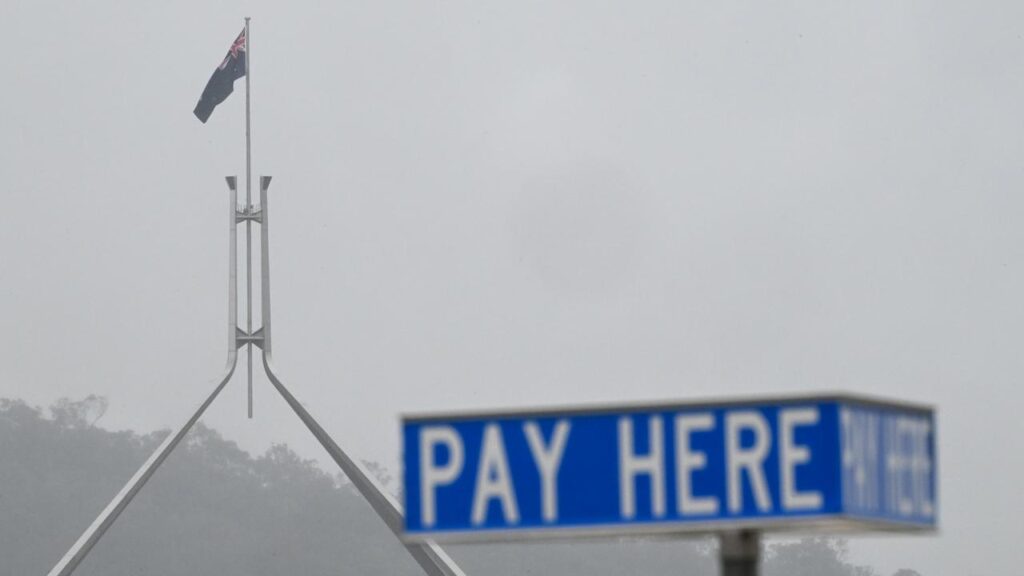
The business community remains dead against a bold Productivity Commission bid to transform the corporate tax regime, even after it reduced the proposed rate for big firms.
The government’s economic think tank on Friday released the five final reports from its inquiry into Australia’s stalled productivity growth.
The main change from the commission’s draft reports, released before Treasurer Jim Chalmers’ economic reform roundtable in August, was to lower the income tax rate for big firms from 30 per cent to 28 per cent as part of the controversial proposals.
Along with cutting income tax for smaller firms from 25 per cent to 20 per cent, a five per cent net cashflow tax would allow businesses to instantly deduct capital spending, encouraging companies to invest more in equipment.
Originally, the Productivity Commission recommended keeping the large business tax rate at 30 per cent, meaning firms with a turnover of more than $1 billion would face an effective tax rate of 35 per cent.
Lobby groups representing employers large and small, including the Business Council of Australia and the Council of Small Business Organisations Australia, slammed the commission’s initial proposal.
The Productivity Commission said its amended proposal to lower the income tax rate to 28 per cent would increase GDP by $13 billion, or 0.7 per cent, lift investment by two per cent and boost labour productivity by 0.5 per cent while not worsening the budget bottom line.
“Having modelled and refined this proposal further since our interim report, we are confident it is the best revenue-neutral option for improving investment,” commission deputy chair Alex Robson said.
The commission was constrained by the treasurer’s insistence the changes come at no cost to the budget.

Dr Robson said it explored alternative proposals that were negative for the budget but would increase benefit to investment, productivity and GDP.
Compared with the initial proposal, fewer companies would pay more tax than they now do.
But an alliance of 24 industry groups, led by the Business Council, still rejected the reworked tax regime.
“(It) would result in higher prices for households, increased inflationary pressure, reduced investment and slower economic growth – placing even greater strain on Australians already struggling with the cost of living,” they said in a statement.
“The proposed cashflow tax is experimental, untested almost anywhere in the world, and would impose an entirely new tax on business.”
The proposal would make the effective tax rate for the largest firms range from 26.7 to 31.6 per cent, depending on their investment activity.

Companies with a turnover of $50 million to $1 billion, which currently face a tax rate of 30 per cent, would see the biggest benefit, with their effective combined tax rate lowered to 19 to 24 per cent.
The report also urged the federal government to make regulatory reform a key priority.
Recommendations from the commission’s other four reports include improving teaching resources to boost skills, incentivising adoption of AI, introducing a national emissions reduction policy and greater investment in prevention to reduce spending in the care economy.
Productivity Commission chair Danielle Wood said the nation’s productivity growth had stalled since 2016 and it needed to get moving.
The treasurer said the government would consider the reports in the lead-up to the next budget.
AAP