Fears croc plan changes will lead to culling and reduce public safety
Richard Dinnen - Queensland Editor |
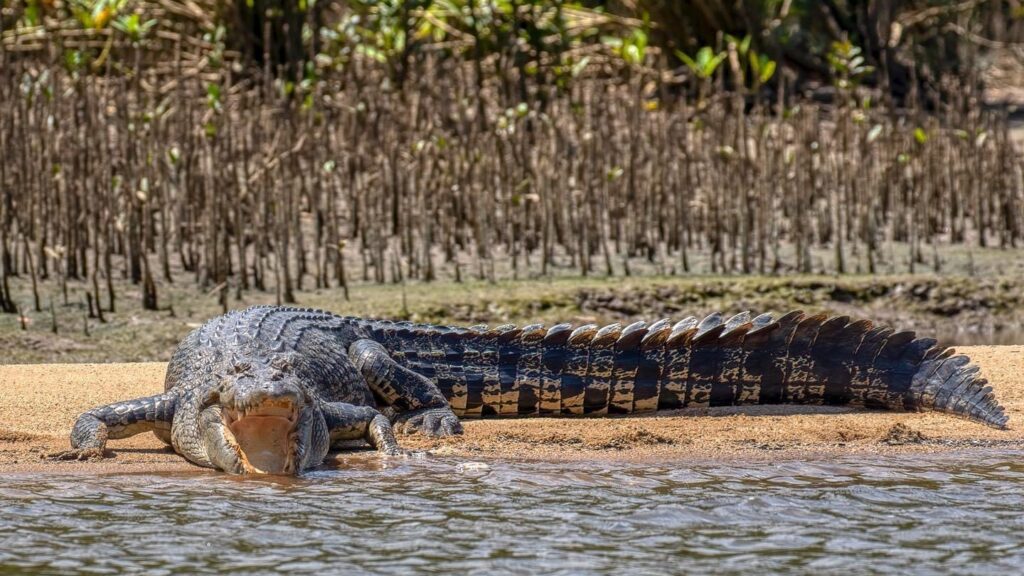
A leading Queensland eco-tour operator says he fears proposed changes to saltwater crocodile management will lead to increased culling.
In July, a review of Queensland’s Estuarine Crocodile Management Program recommended removing crocodiles longer than 2.4 metres from parts of the Queensland east coast to limit population growth and improve human safety.
The review said an extra 50 crocodiles could be taken on top of the 40 that are removed on average each year, an increase it said would not put the crocodile population at risk.
But Daintree River crocodile tour operator, David White, says the review contradicts its own findings that culling is not effective, and that current arrangements are working well.
“The (review) committee said the Crocodile Management Plan is working, it’s all good, they’re happy with it, and public education is the way to go.
“They said culling doesn’t work, and that it can lead to public complacency when you take away crocodiles, and then at the end they said, ‘well we should increase it’.
“Increase the removal of crocodiles by over 100 per cent. There’s no scientific reason for doing it, and no justification for it. It contradicts everything that’s been written in the management plan already.
“It’s sort of trying to disguise it as a scientific thing, but it’s just culling by a different name.”
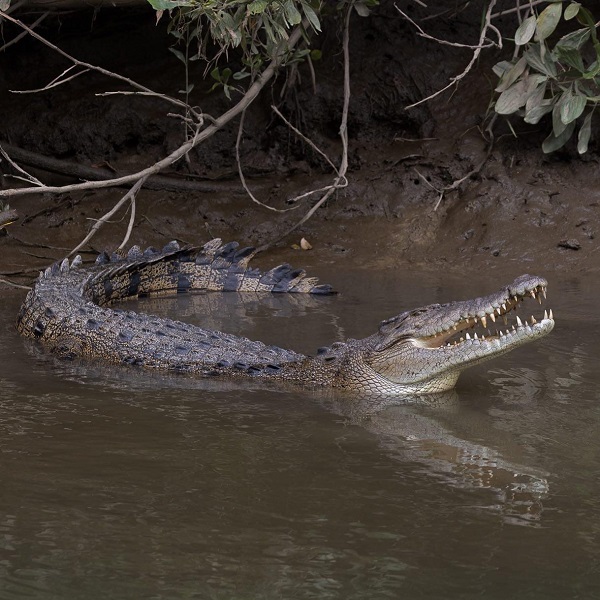
Mr White has worked on the Daintree River for 25 years. He’s the owner operator of Solar Whisper Crocodile and Wildlife Cruises using solar-powered electric boats with silent motors to get visitors close to wildlife.
He says the review committee recommends more removals, but that would lead to more crocodiles being killed.
“The word ‘removal’ makes it sound cuddly and nice to people. It says in that report that the zoos are all full, they don’t want anymore, and the farms are more and more reluctant to take them.
“So they’ll have to euthanise them. May as well shoot them where they find them rather than catch them and drag them around the place.
“They’re just trying to sugar coat it.”
Mr White says increased culling will not improve public safety and could increase danger in crocodile country.
“The more visible they are, the more people are going to do the right thing. If you remove them, people think the government is doing this thing to make it safer for them and they can’t see the crocodiles and they think it’s all safe to go swimming.
“And they’re swimming in crocodile habitat. It’s the sneaky one that comes in overnight that nobody notices, that’s the one that’s going to get somebody.
“There’s always going to be another one coming along.
“Obviously, if there’s one that’s about to hurt someone, there’s a case for it. But just taking them away because they’re there, it’s just crazy to me.”
Mr White says the crocodile population is not increasing and culling them would bring shame to Queensland and Australia.
“Culling is not a good look for Queensland, for Australia, or for tourism. We pride ourselves for attracting people here for our wildlife and managing our assets.
“To be shooting or culling an iconic species, the world’s largest living reptile that’s native to here and been here for millions of years, it’s the wrong message, it’s a public shame for our country.
“I am worried about human safety. I don’t want crocs to die, but I don’t want people to die either. They will be more safe if we leave them there and concentrate on education
“It’s all about public education, rather than eradication.”
David White is a prominent advocate for public safety in crocodile country. His Facebook page telling the story of Daintree wildlife as a Hollywood style soap opera has a global following of more than 31,000 people.